

How to Stop Procrastinating and Start

The hardest part of procrastination is not only the unfinished task. It is the way the task keeps following you around while you avoid it. Waiting until you feel ready often pushes the start farther away. This guide turns starting into something smaller, clearer, and less threatening, so you can step around pressure and begin anyway.
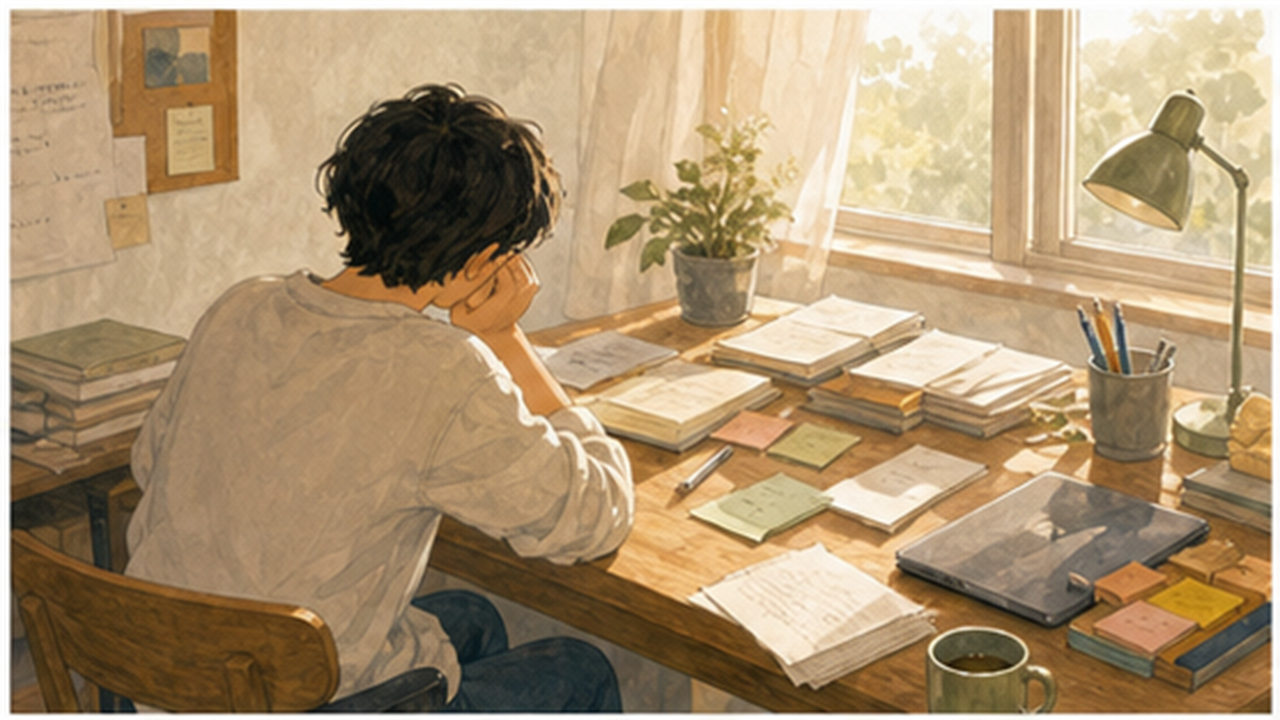
Clear your desk down to the task entrance
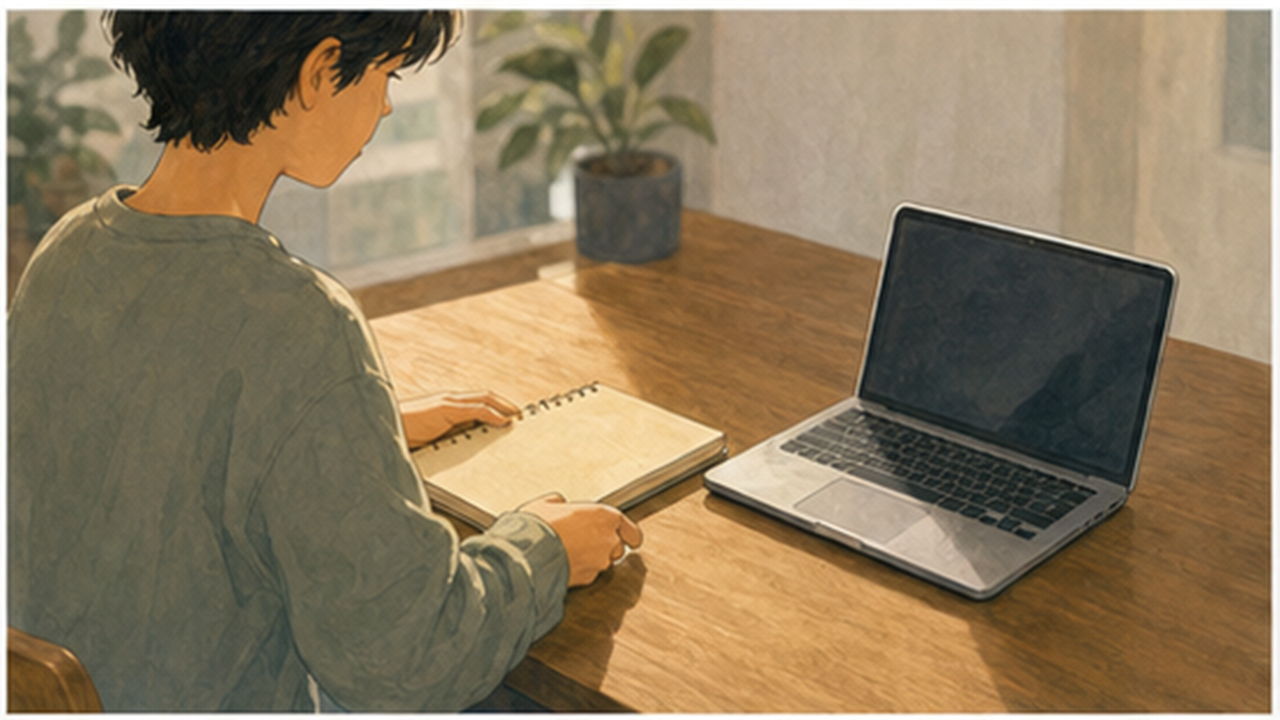
Before touching the task itself, remove anything unrelated from your immediate workspace. Leave only the laptop, notebook, water, or the one or two tools you truly need. You are not cleaning the whole room; you are making one clear place to begin.
When you are procrastinating, your brain will use almost anything as an exit. A simpler environment gives it fewer easy escape routes.
Do not turn this into a deep clean. Stop when the workspace is usable.
Write one action too small to resist
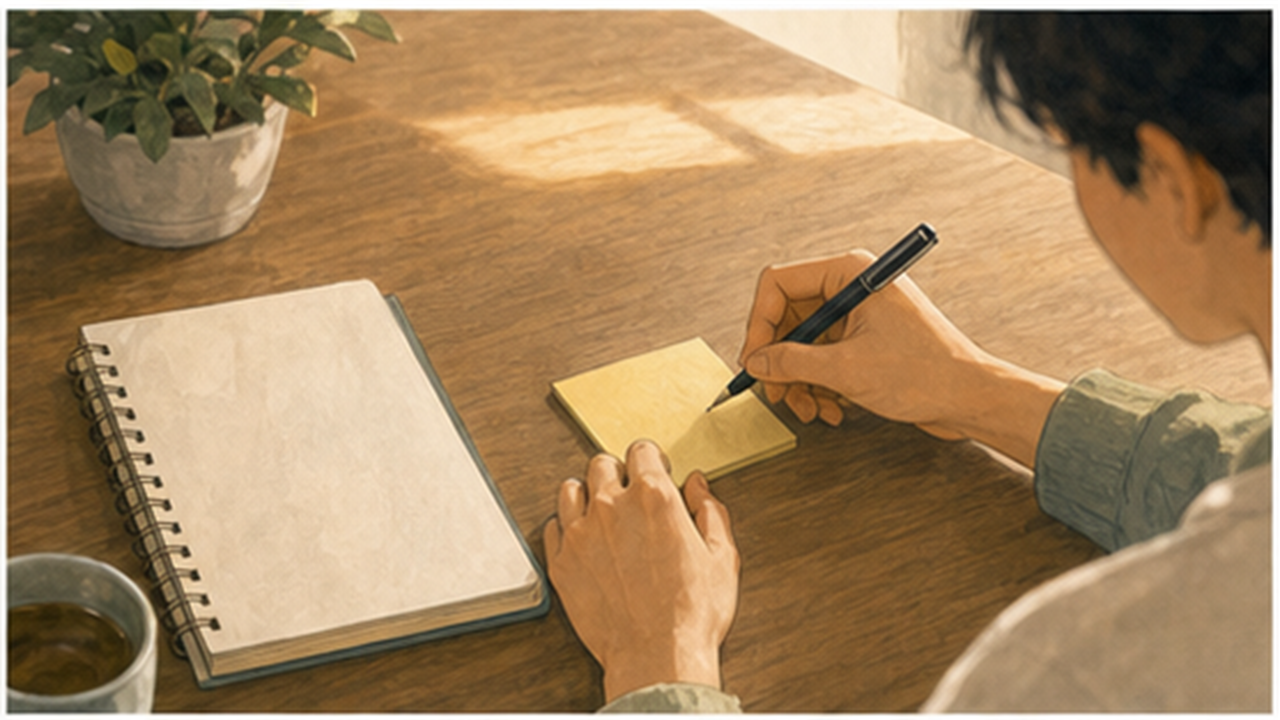
Break the task into the first physical action: open the document, write the title, click the folder, wash one dish. The action should take about two minutes and should not require you to feel inspired first.
People often avoid the vague weight of starting, not the entire task. A concrete action turns pressure into a next step.
Avoid vague goals like “work seriously for a while.” They sound good, but they do not tell your body what to do.
Give the start a short boundary
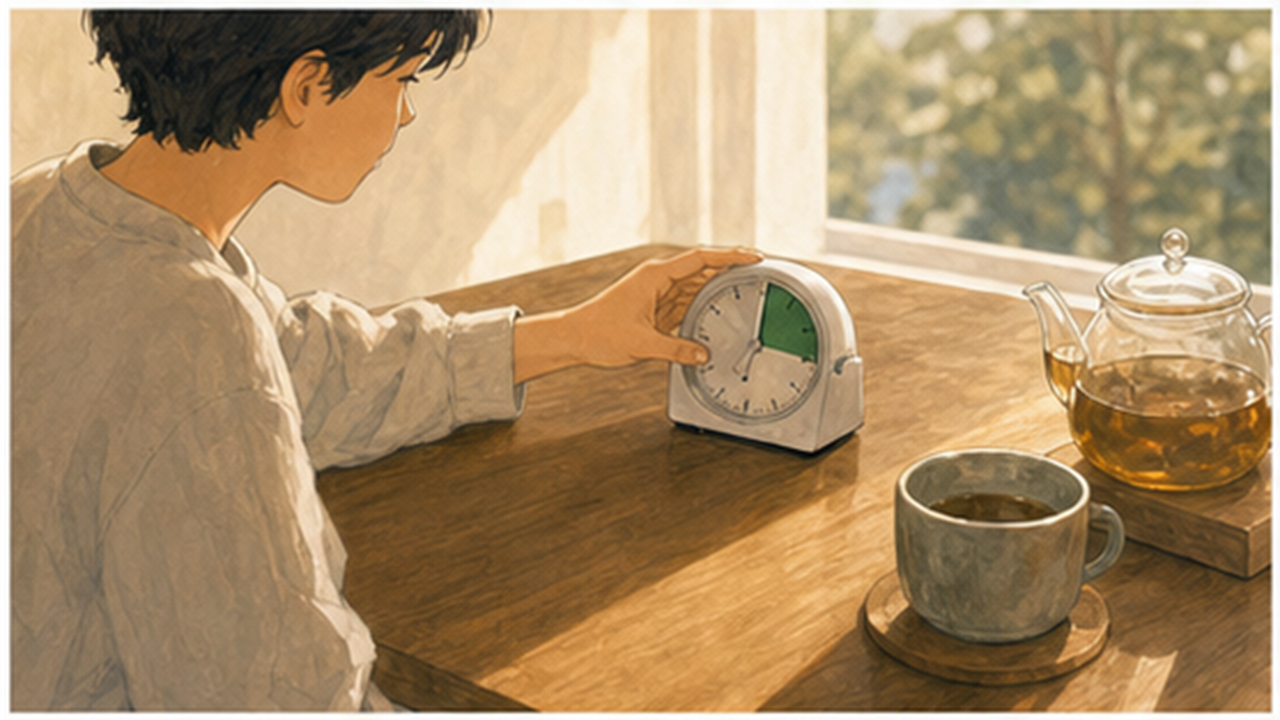
Set a 10-minute timer and only promise to touch the task during that window. Tell yourself, “When the timer ends, I am allowed to stop.” Starting becomes easier when it has a visible exit.
Procrastination often comes from imagining a long, draining effort. A short boundary tells your brain this is a limited experiment.
If 10 minutes feels too heavy, start with 5. The goal is entry, not toughness.
Move your phone out of reach
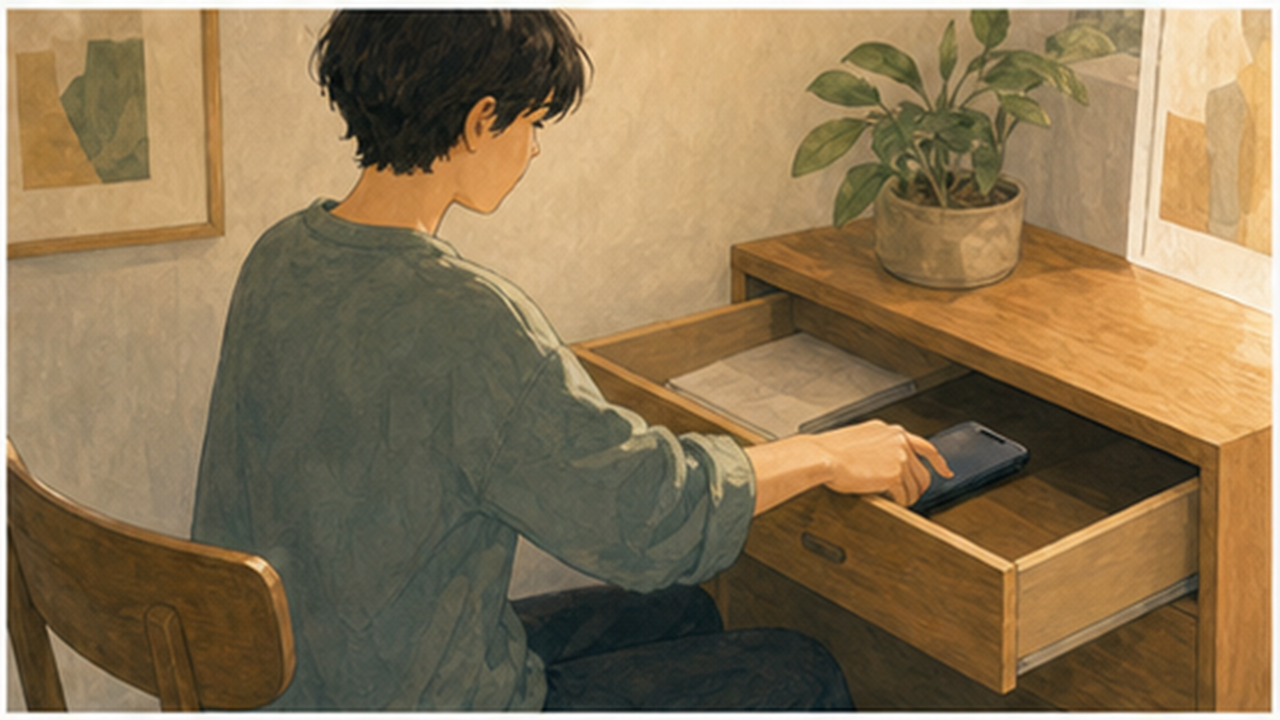
Put your phone on silent and place it in a drawer, by the door, on the bed, or anywhere you cannot reach from your chair. If you need it for work, open only the required screen and pause notifications.
The phone’s power is not just long scrolling. It is the repeated invitation to leave the task for a few seconds. Distance saves willpower.
Do not rely only on self-control. If you can change the environment, change it first.
Make the first imperfect version
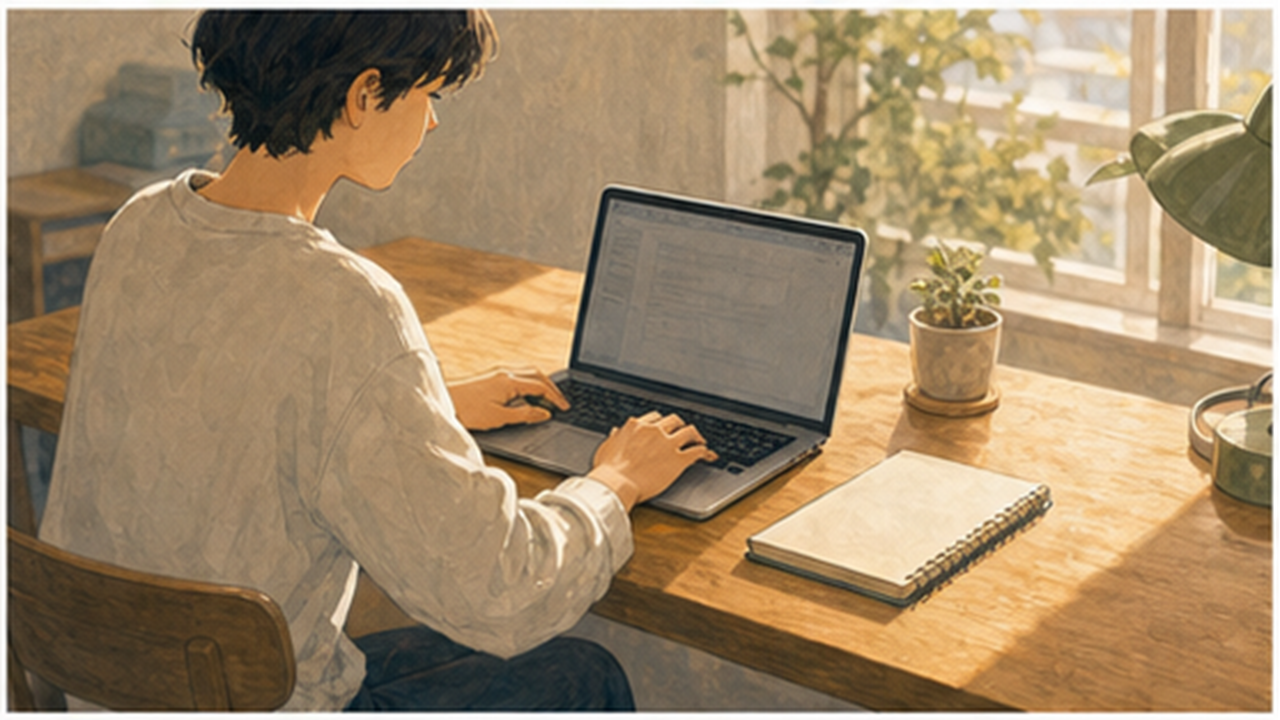
Once you begin, do not aim for beautiful. Write a plain sentence, make a rough list, draw an awkward sketch, or place the first piece where it belongs. Your job is to break the blank, not to impress anyone.
A lot of procrastination is perfectionism in a practical disguise. A rough version gives the work something to grow from.
Do not edit while starting for too long. Leave a mark first, improve later.
Take a break away from the screen
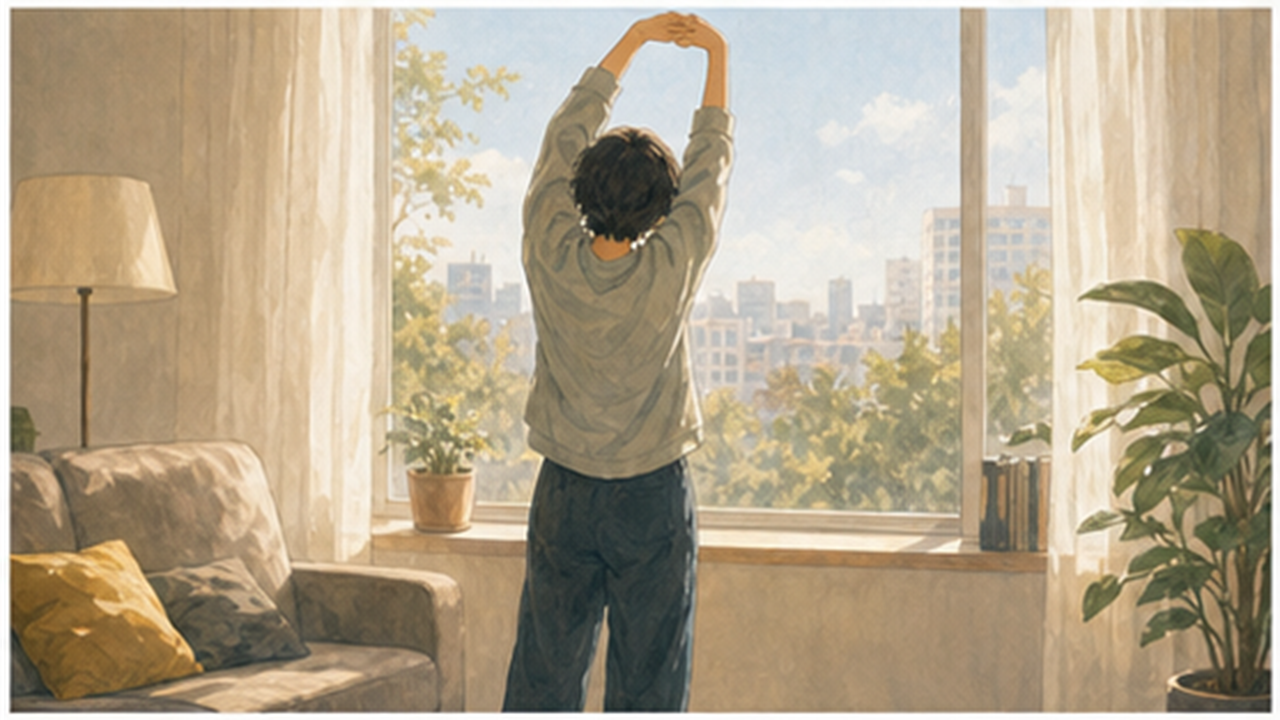
When the timer ends, stand up, stretch, drink water, or look out the window for 2 to 5 minutes. Let your eyes and body actually leave the work position instead of jumping into a feed.
A good break returns you to the task. A bad break carries you into another place that is harder to exit.
Put a boundary on the break too. A short timer keeps rest from turning into the next procrastination loop.
Return to the progress you already made
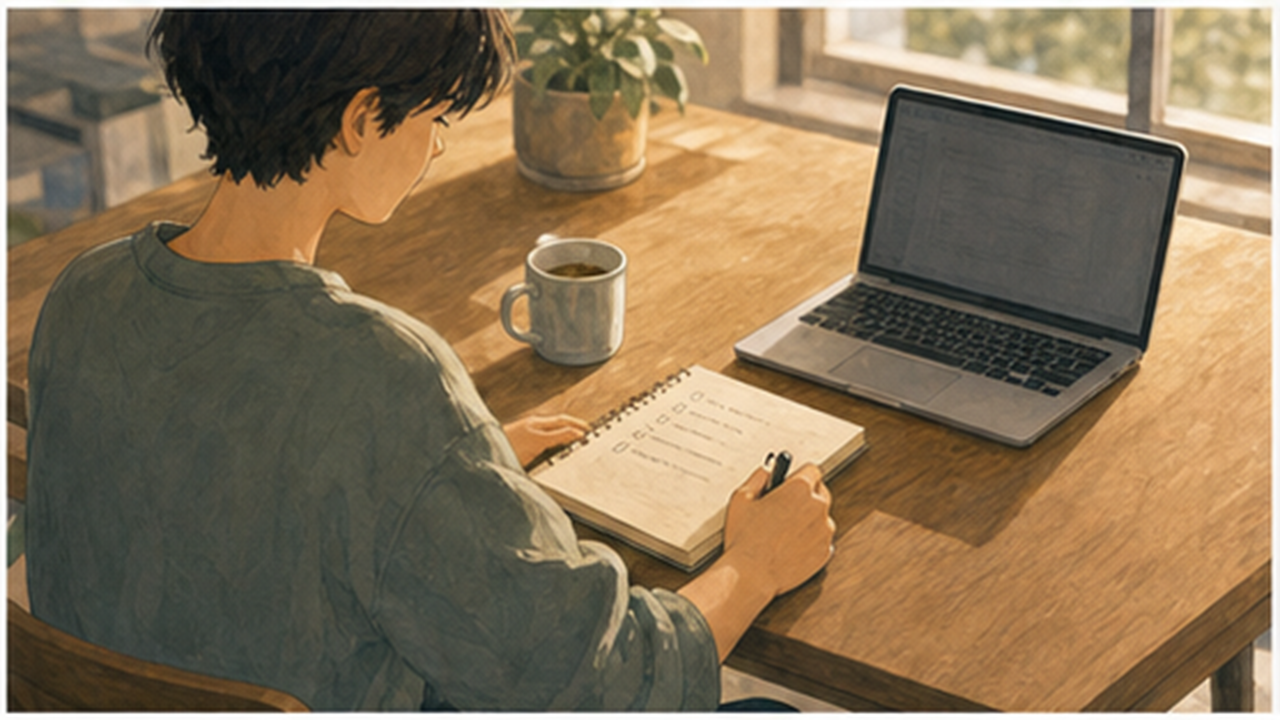
When you sit down again, do not re-evaluate your whole life or decide whether you are motivated enough. Look at the small progress you left behind and add a little more: three lines, three images sorted, two dishes washed.
Visible progress lowers the resistance to restarting. You are not beginning from zero; you are continuing a thread.
Do not dismiss progress because it is small. Small progress is the handle for the next round.
Leave tomorrow an easy entrance

Before stopping, write the next first step: “continue editing paragraph three” or “empty the second drawer.” Put the tools where you can reach them easily next time.
A lot of procrastination happens before the next start. Leaving an entrance is a quiet gift to your future self.
Do not end by creating a huge plan. Leave one clear doorway, not a new burden.
Same topic
Related guides
Related guides
Home Organization
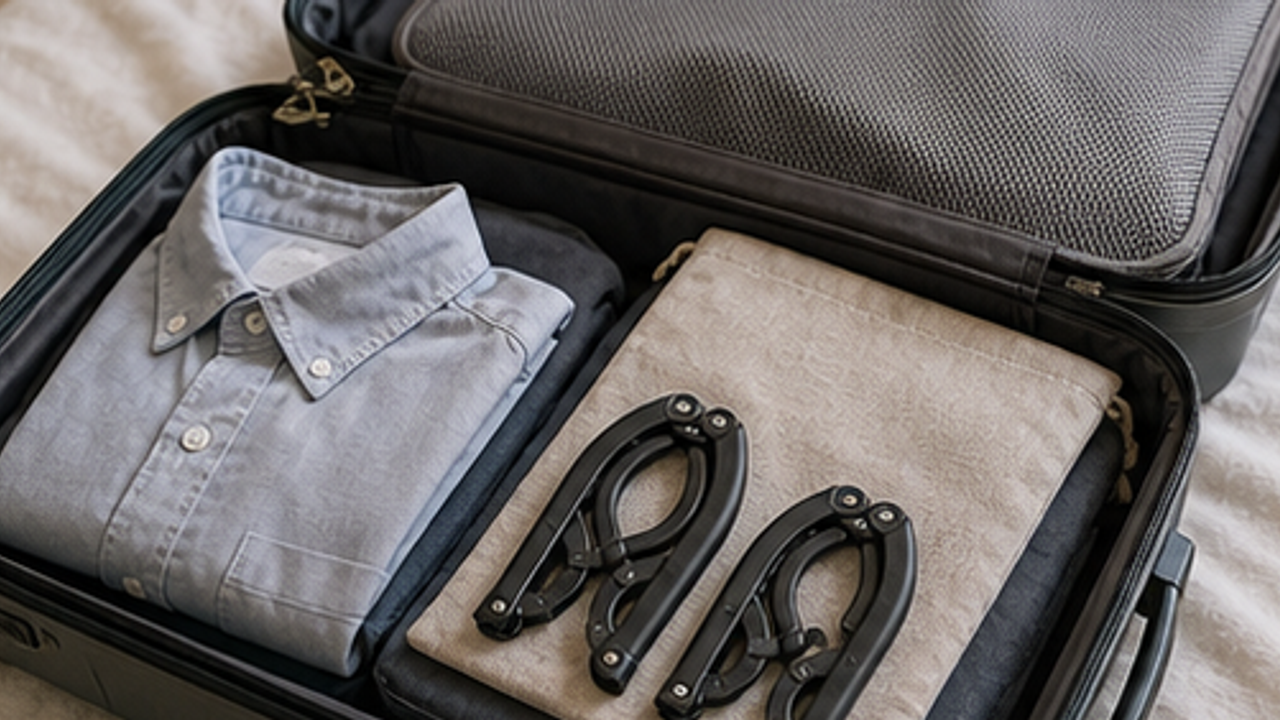
How to Prepare a Travel Folding Hanger Pouch
Give a travel folding hanger pouch one small fixed home so it is easy to use, return, and keep from spreading across drawers, shelves, or counters.
Home Organization
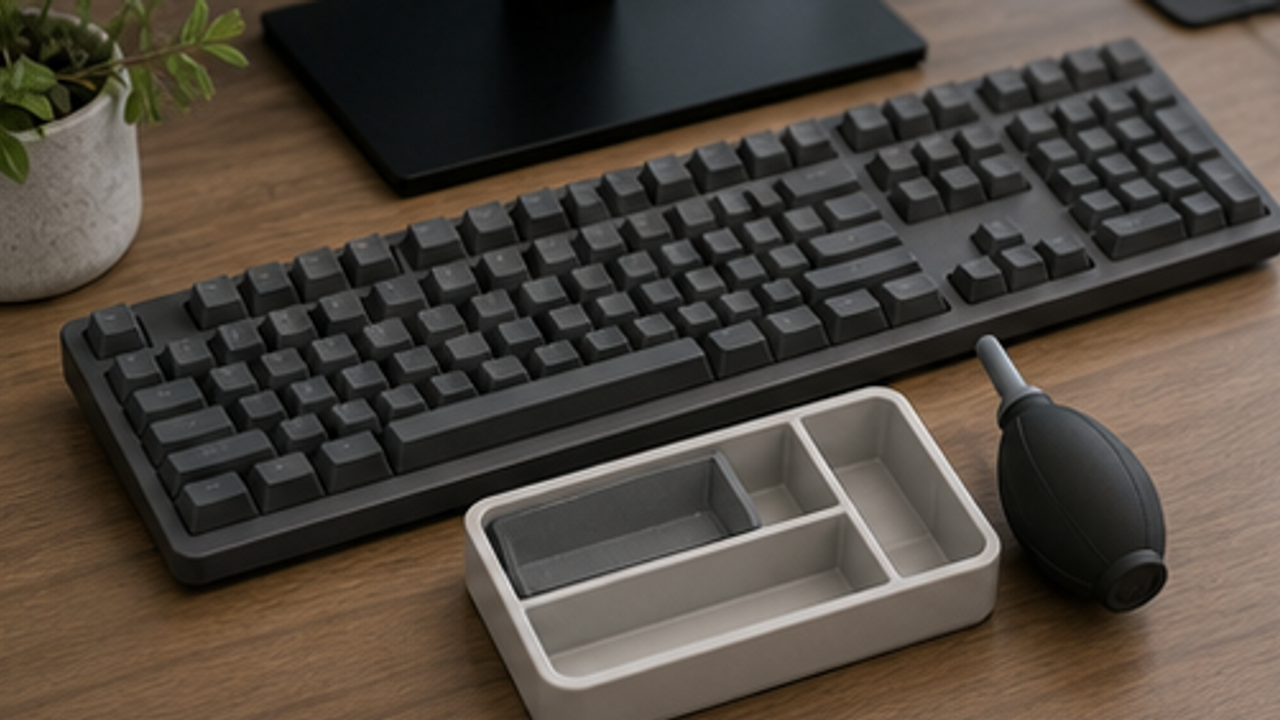
How to Set Up a Desk Keyboard Cleaning Brush Tray
Give a desk keyboard cleaning brush tray one small fixed home so it is easy to use, return, and keep from spreading across drawers, shelves, or counters.
Home Organization
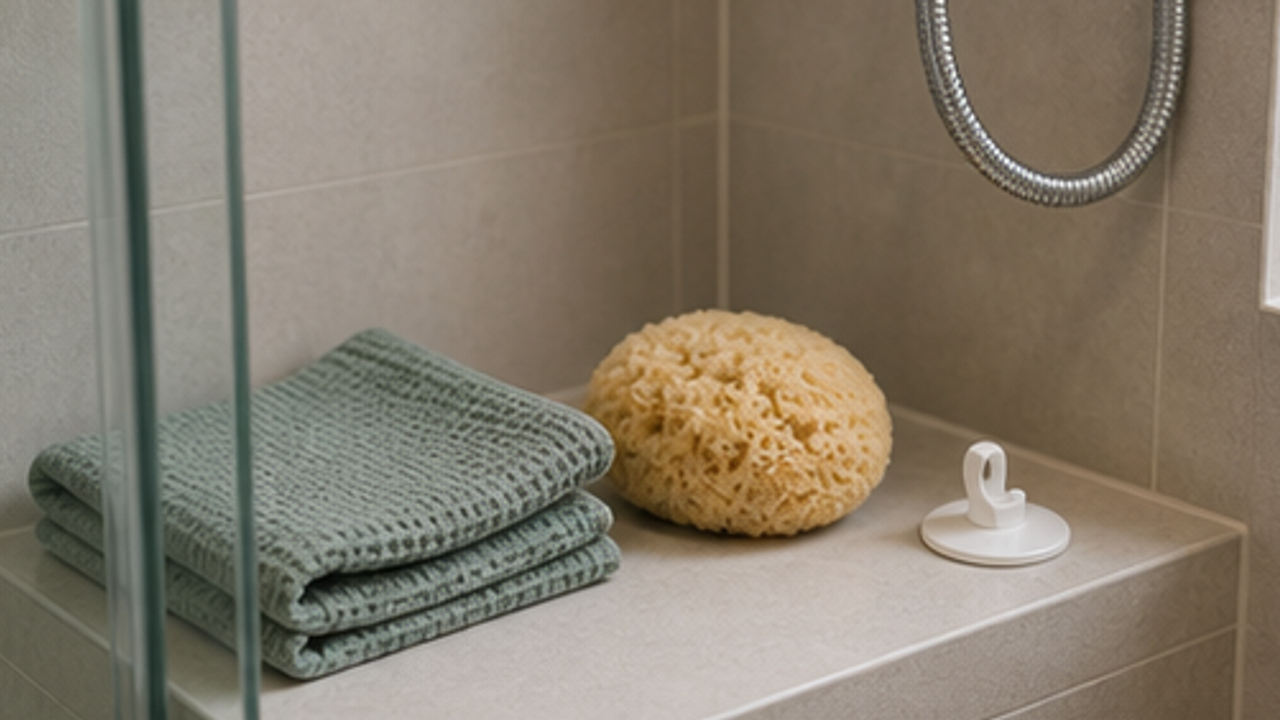
How to Set Up a Bathroom Bath Sponge Drying Hook
Give a bathroom bath sponge drying hook one small fixed home so it is easy to use, return, and keep from spreading across drawers, shelves, or counters.
Home Organization
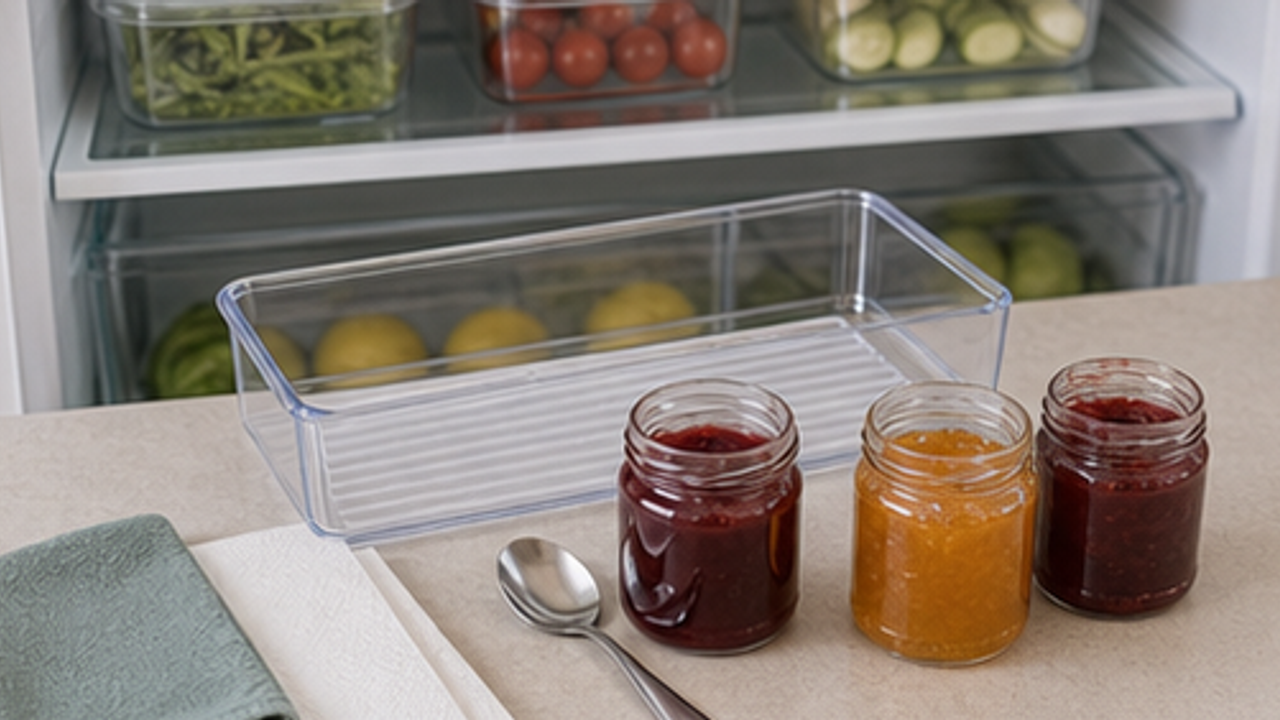
How to Organize Opened Jam Jars in a Fridge Front Bin
Give opened jam jars in a fridge front bin one small fixed home so it is easy to use, return, and keep from spreading across drawers, shelves, or counters.
More from this author
Open
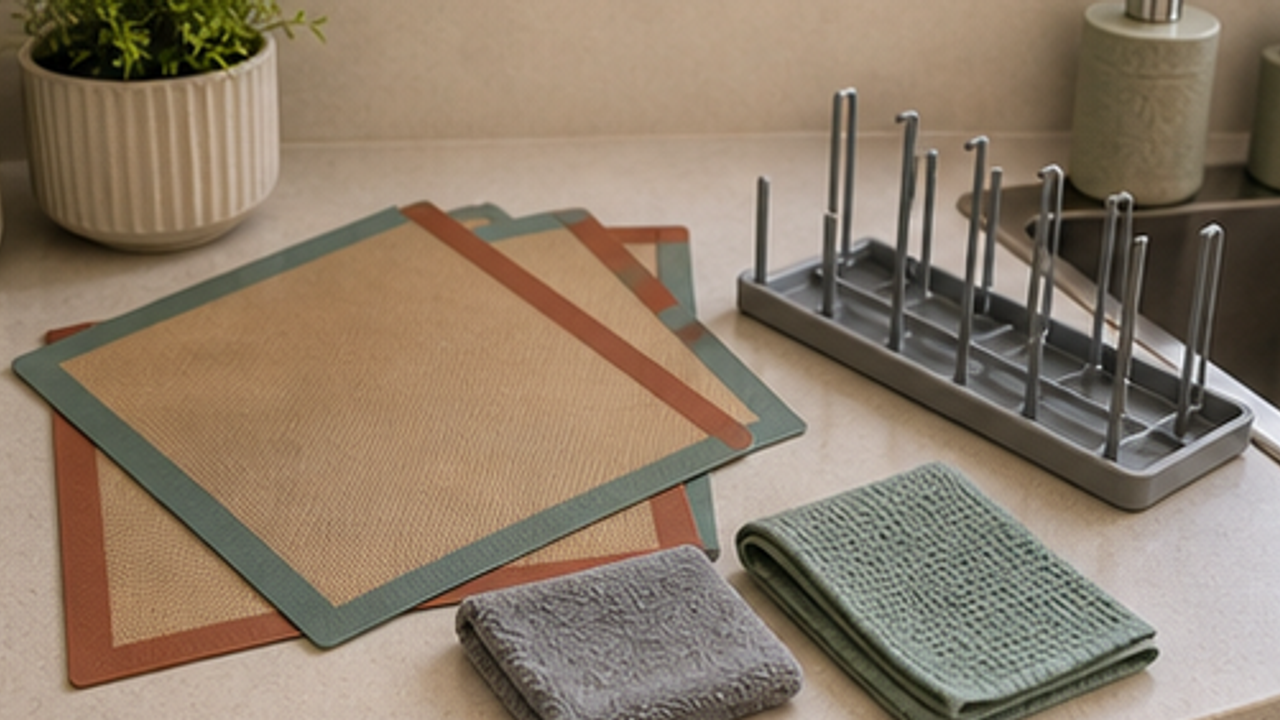
How to Set Up a Kitchen Silicone Baking Mat Drying Rack
Give a kitchen silicone baking mat drying rack one small fixed home so it is easy to use, return, and keep from spreading across drawers, shelves, or counters.
Open
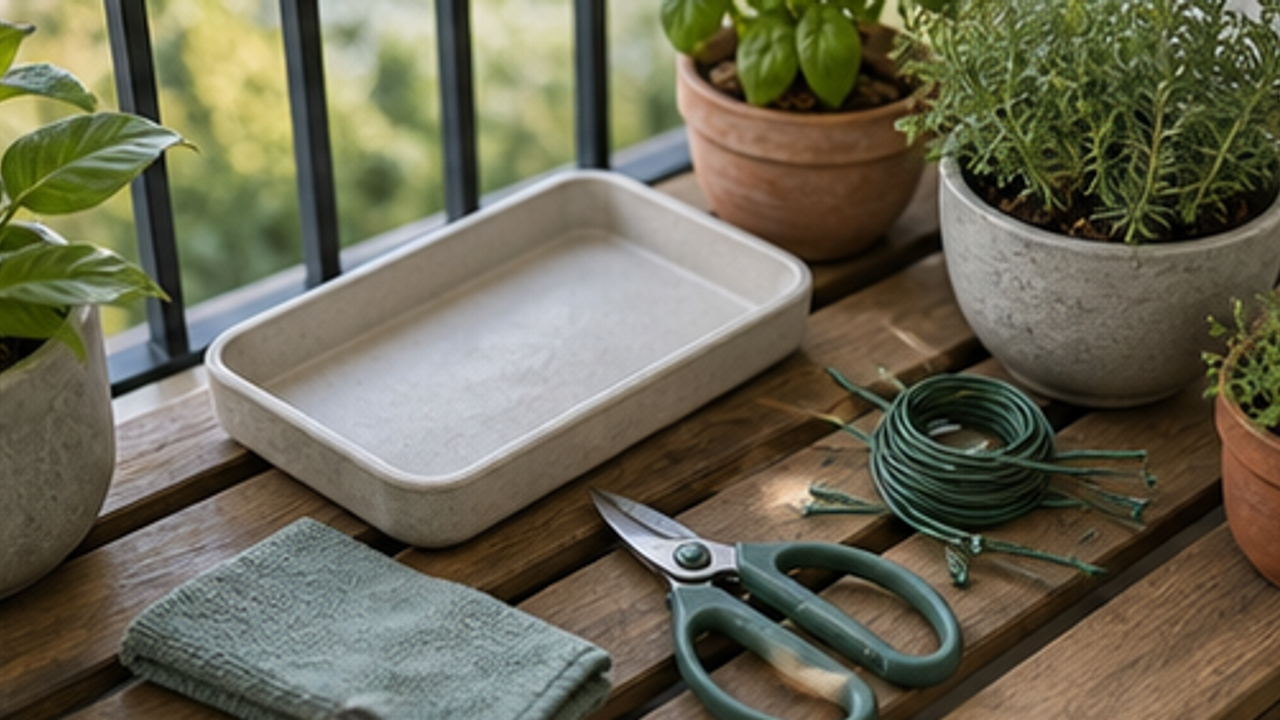
How to Set Up a Balcony Plant Pruning Tool Tray
Give a balcony plant pruning tool tray one small fixed home so it is easy to use, return, and keep from spreading across drawers, shelves, or counters.
Open
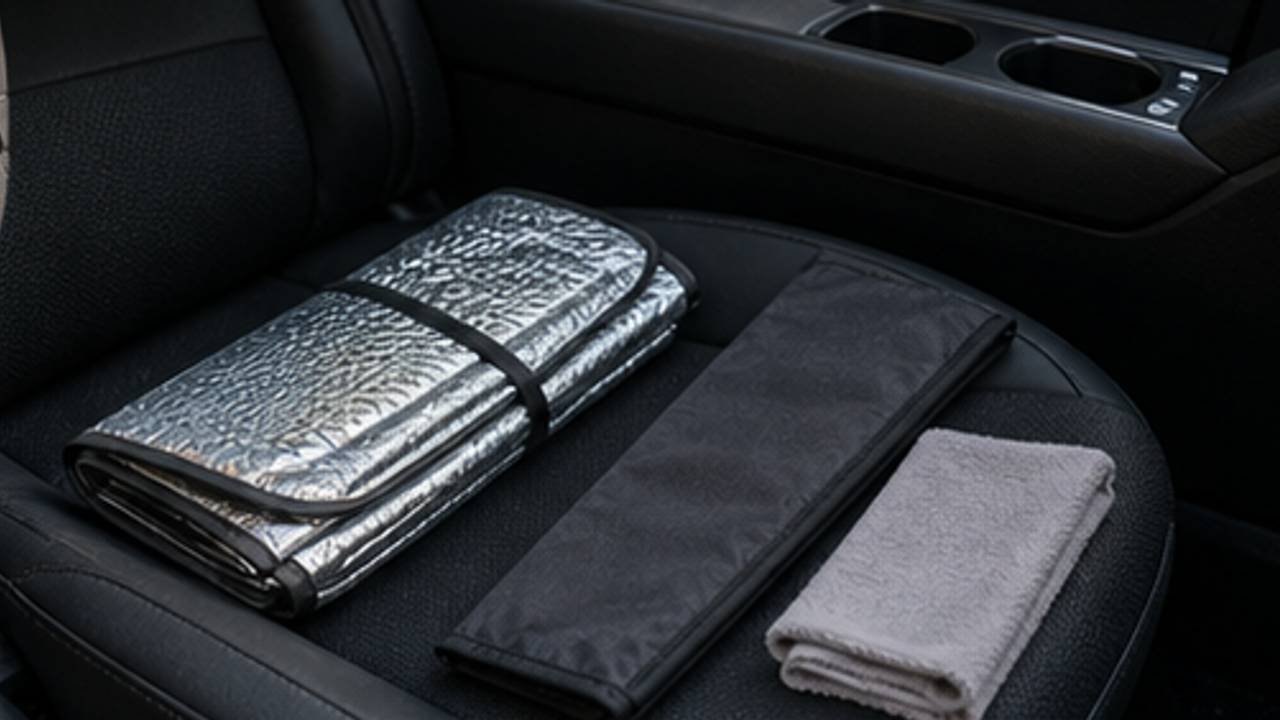
How to Organize a Car Folding Sunshade Sleeve
Give a car folding sunshade sleeve one small fixed home so it is easy to use, return, and keep from spreading across drawers, shelves, or counters.
Life Reactions
How this way feels to you
My Life Trial
Log it after trying
Comments
0 Comments
No comments yet.