

How to Plan Dinners for a Week

Dinner planning is not about controlling every meal. It reduces the daily “what should we eat?” fatigue by using what you already have and choosing a few base meals.
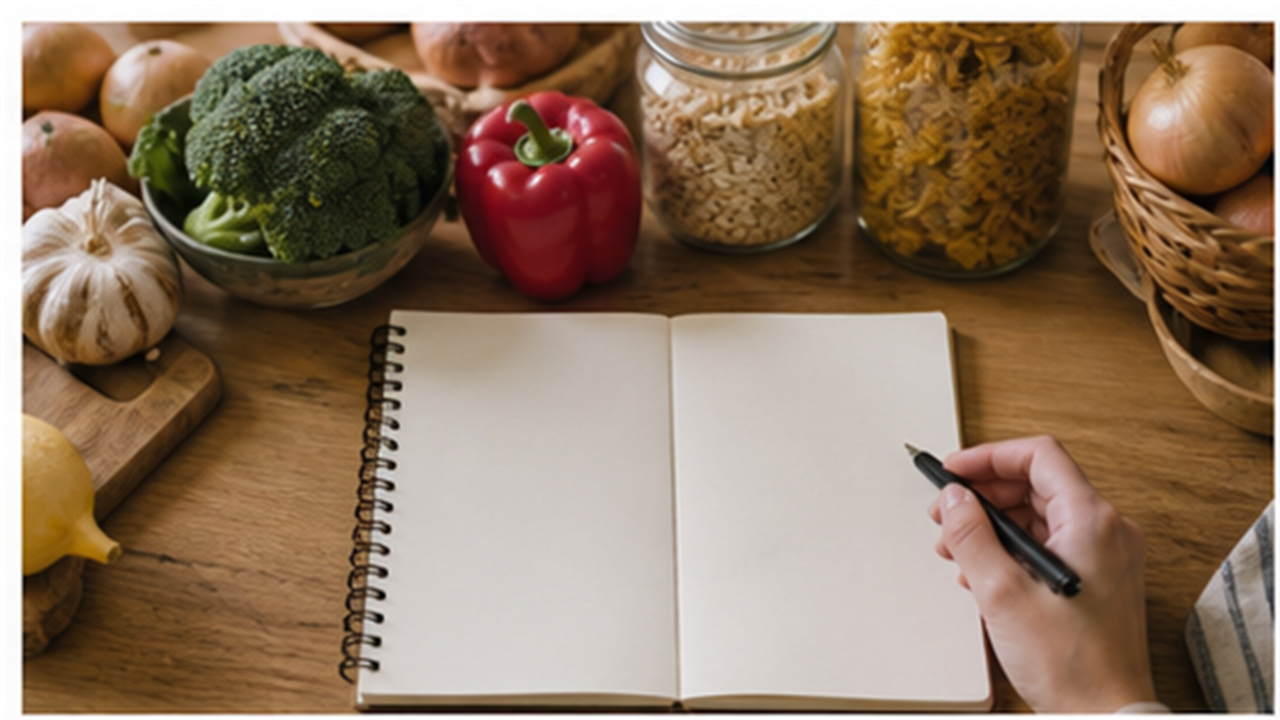
Check fridge and pantry first
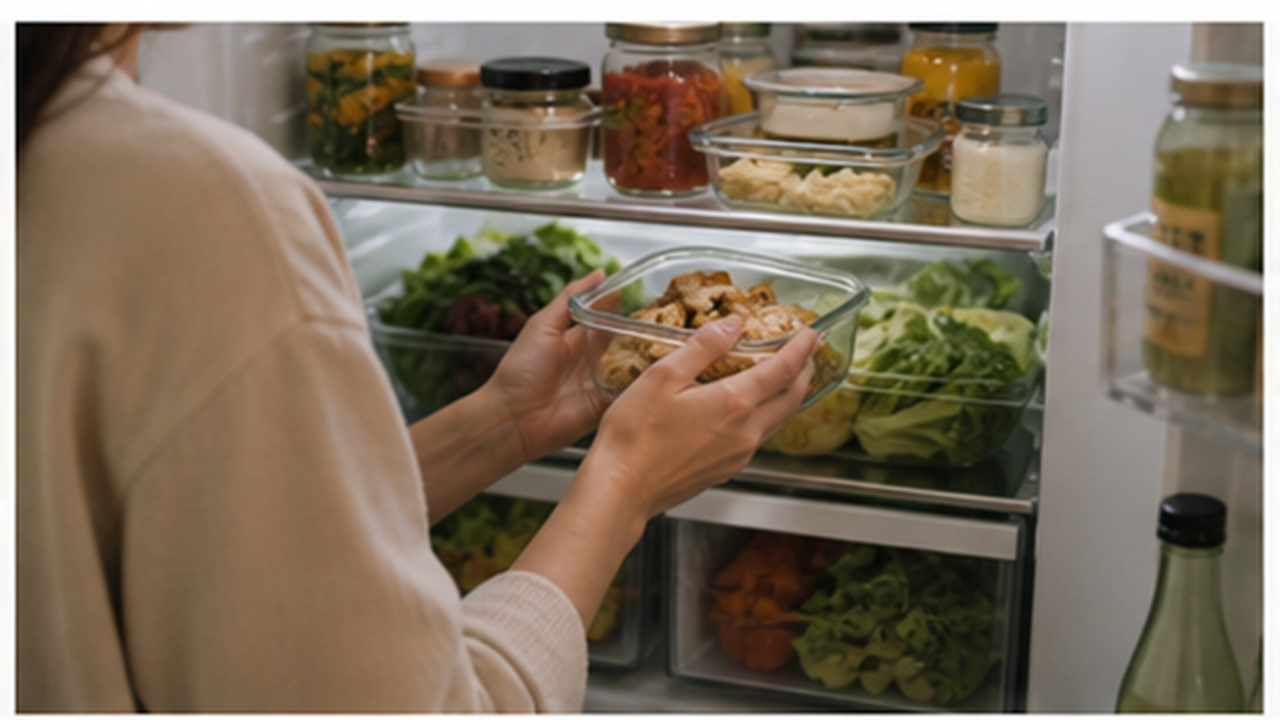
Step 1 is “Check fridge and pantry first.” Keep the needed items close and handle only this part. A steady pace usually gives a cleaner result than rushing.
This keeps the process small and reduces on-the-spot decisions. The next step becomes easier to see, and important details are less likely to be missed.
If the material, food, or device condition is uncertain, pause and check instructions or test on a small area first.
List ingredients to use soon
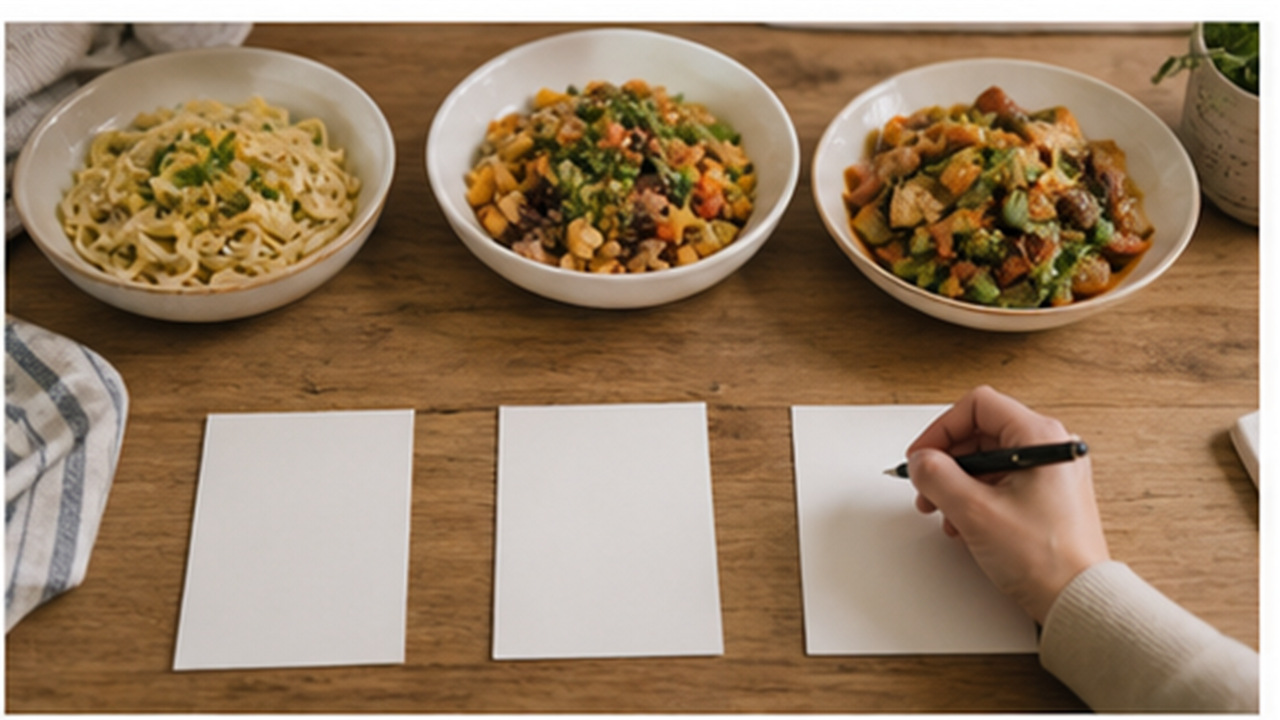
Step 2 is “List ingredients to use soon.” Keep the needed items close and handle only this part. A steady pace usually gives a cleaner result than rushing.
This keeps the process small and reduces on-the-spot decisions. The next step becomes easier to see, and important details are less likely to be missed.
If the material, food, or device condition is uncertain, pause and check instructions or test on a small area first.
Choose three or four base dinners

Step 3 is “Choose three or four base dinners.” Keep the needed items close and handle only this part. A steady pace usually gives a cleaner result than rushing.
This keeps the process small and reduces on-the-spot decisions. The next step becomes easier to see, and important details are less likely to be missed.
If the material, food, or device condition is uncertain, pause and check instructions or test on a small area first.
Write a grocery list
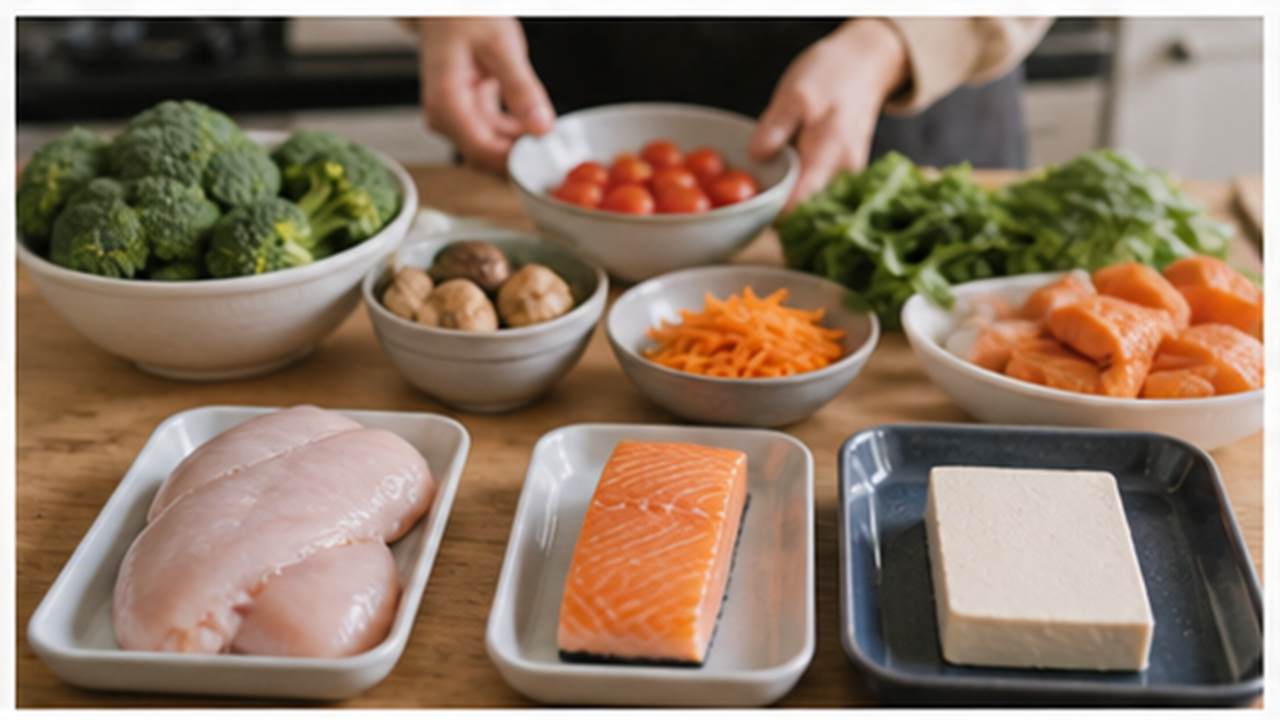
Step 4 is “Write a grocery list.” Keep the needed items close and handle only this part. A steady pace usually gives a cleaner result than rushing.
This keeps the process small and reduces on-the-spot decisions. The next step becomes easier to see, and important details are less likely to be missed.
If the material, food, or device condition is uncertain, pause and check instructions or test on a small area first.
Group ingredients by meal
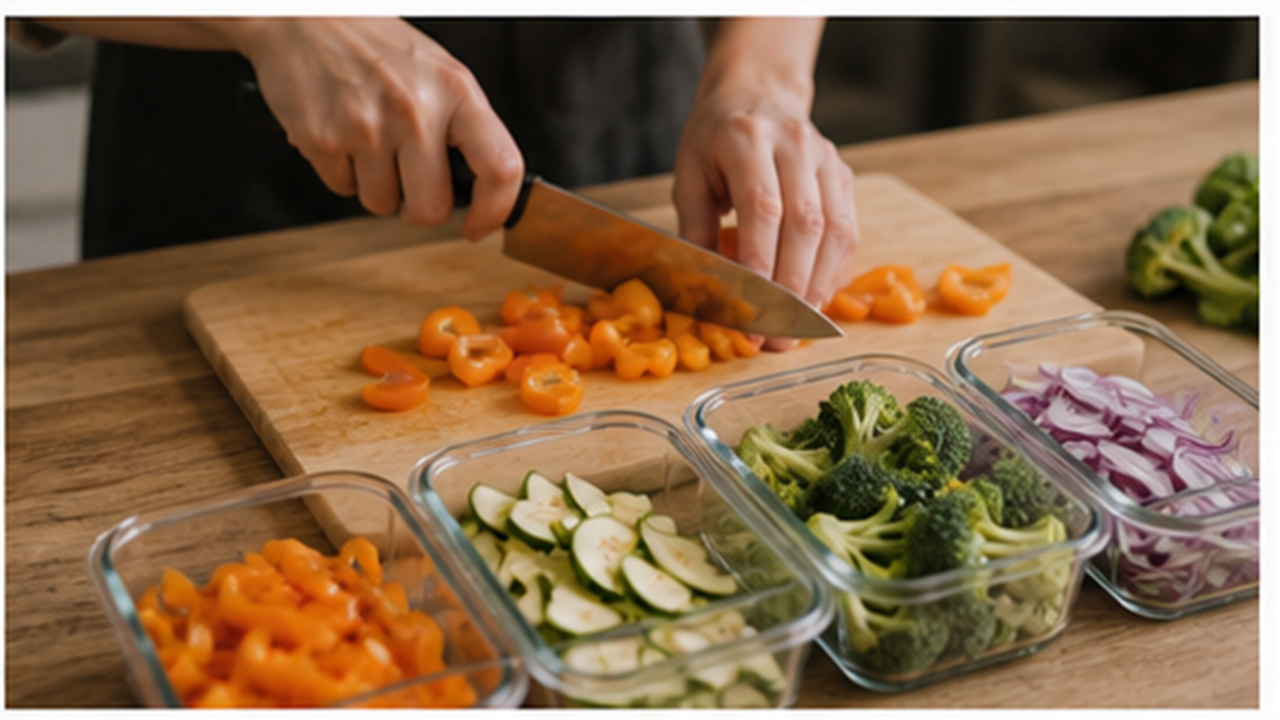
Step 5 is “Group ingredients by meal.” Keep the needed items close and handle only this part. A steady pace usually gives a cleaner result than rushing.
This keeps the process small and reduces on-the-spot decisions. The next step becomes easier to see, and important details are less likely to be missed.
If the material, food, or device condition is uncertain, pause and check instructions or test on a small area first.
Prep some vegetables ahead
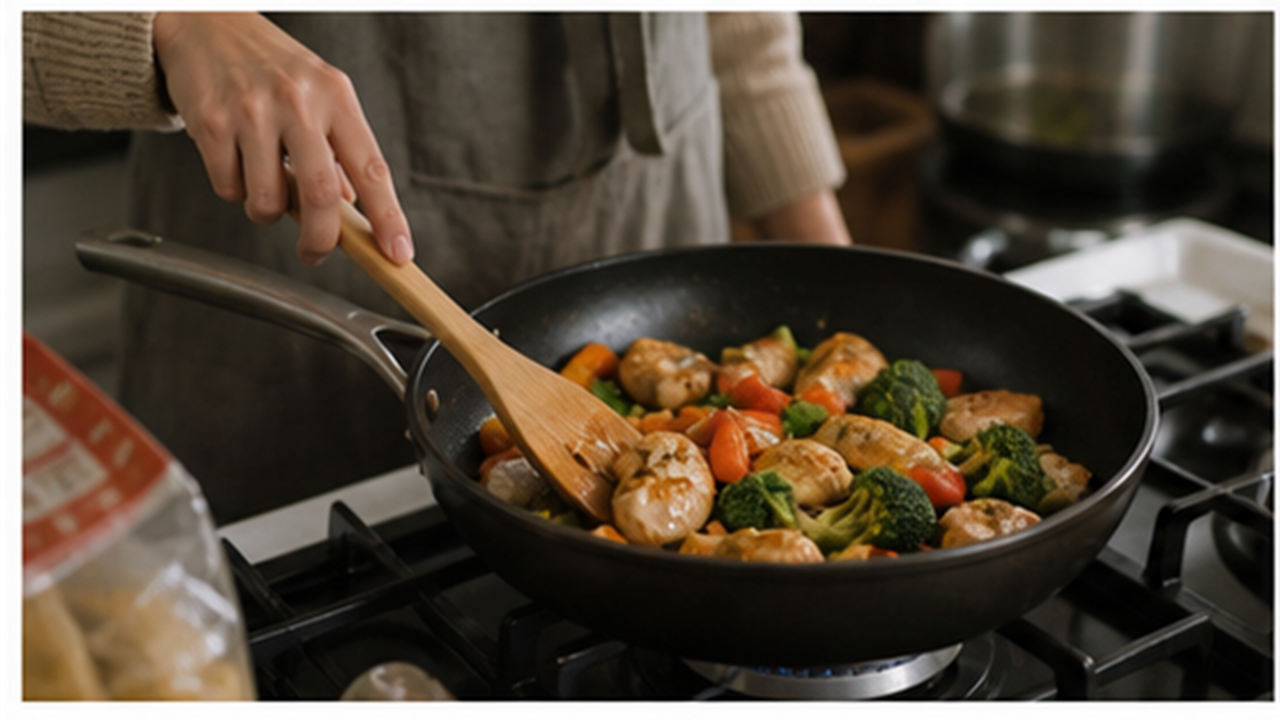
Step 6 is “Prep some vegetables ahead.” Keep the needed items close and handle only this part. A steady pace usually gives a cleaner result than rushing.
This keeps the process small and reduces on-the-spot decisions. The next step becomes easier to see, and important details are less likely to be missed.
If the material, food, or device condition is uncertain, pause and check instructions or test on a small area first.
Cook perishables first
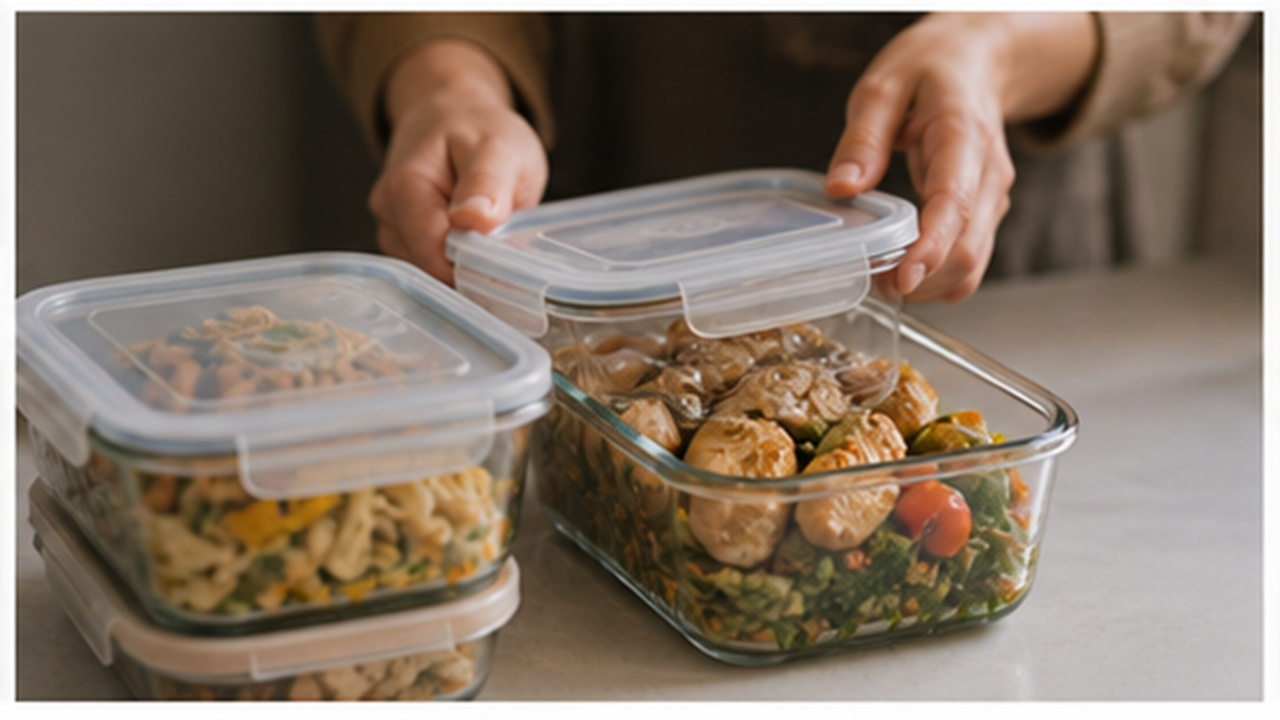
Step 7 is “Cook perishables first.” Keep the needed items close and handle only this part. A steady pace usually gives a cleaner result than rushing.
This keeps the process small and reduces on-the-spot decisions. The next step becomes easier to see, and important details are less likely to be missed.
If the material, food, or device condition is uncertain, pause and check instructions or test on a small area first.
Plan leftovers into the next meal
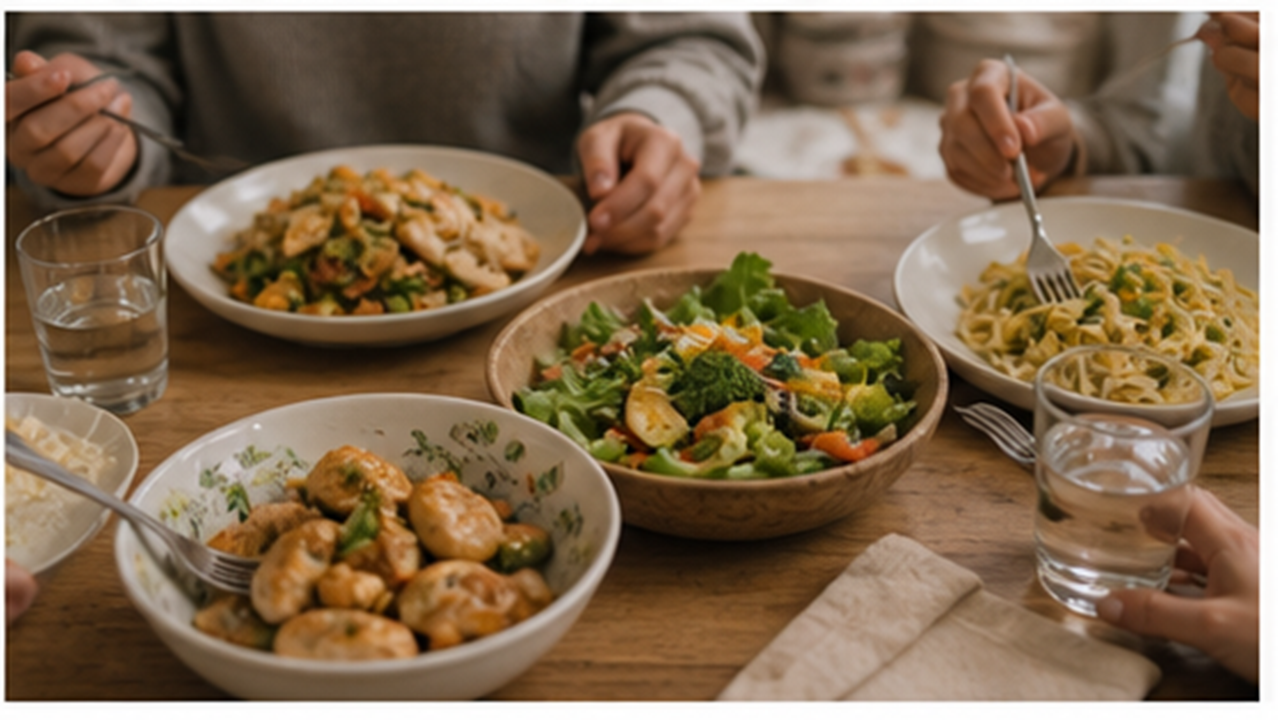
Step 8 is “Plan leftovers into the next meal.” Keep the needed items close and handle only this part. A steady pace usually gives a cleaner result than rushing.
This keeps the process small and reduces on-the-spot decisions. The next step becomes easier to see, and important details are less likely to be missed.
If the material, food, or device condition is uncertain, pause and check instructions or test on a small area first.
Same topic
Related guides
Related guides
Study & Work
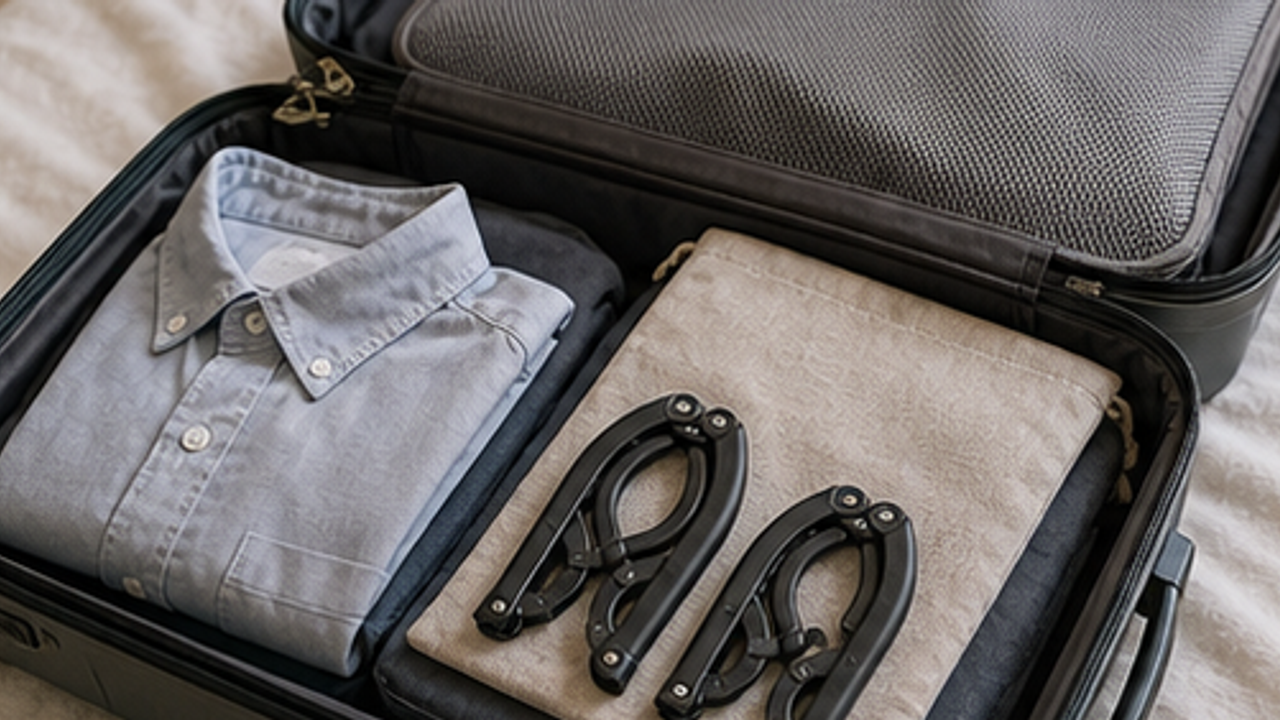
How to Prepare a Travel Folding Hanger Pouch
Give a travel folding hanger pouch one small fixed home so it is easy to use, return, and keep from spreading across drawers, shelves, or counters.
Study & Work
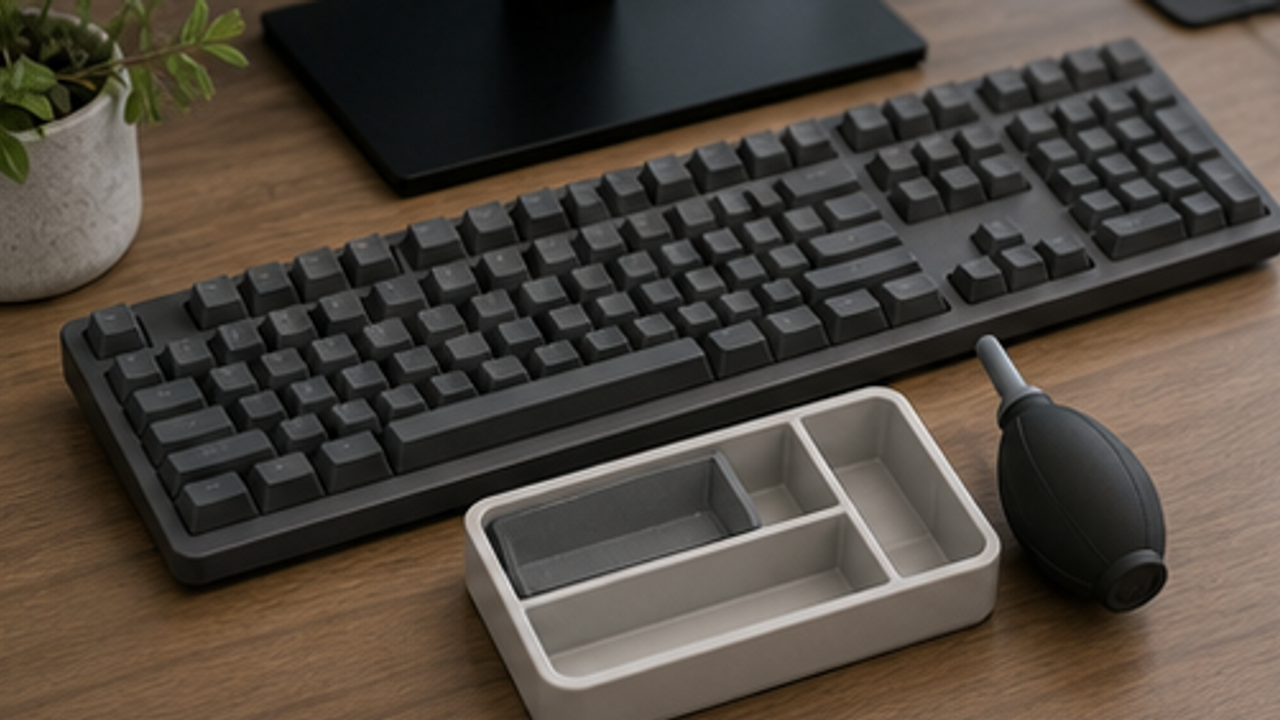
How to Set Up a Desk Keyboard Cleaning Brush Tray
Give a desk keyboard cleaning brush tray one small fixed home so it is easy to use, return, and keep from spreading across drawers, shelves, or counters.
Study & Work
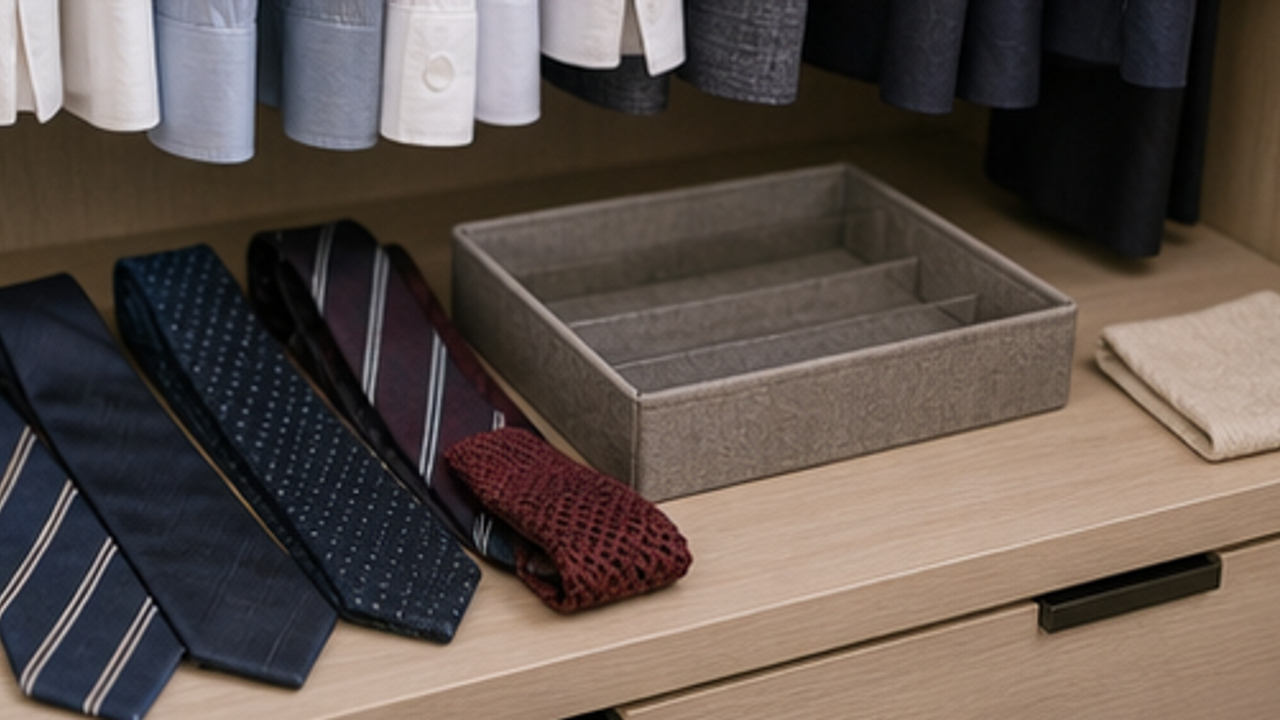
How to Organize Closet Ties in a Roll Tray
Give closet ties in a roll tray one small fixed home so it is easy to use, return, and keep from spreading across drawers, shelves, or counters.
Study & Work
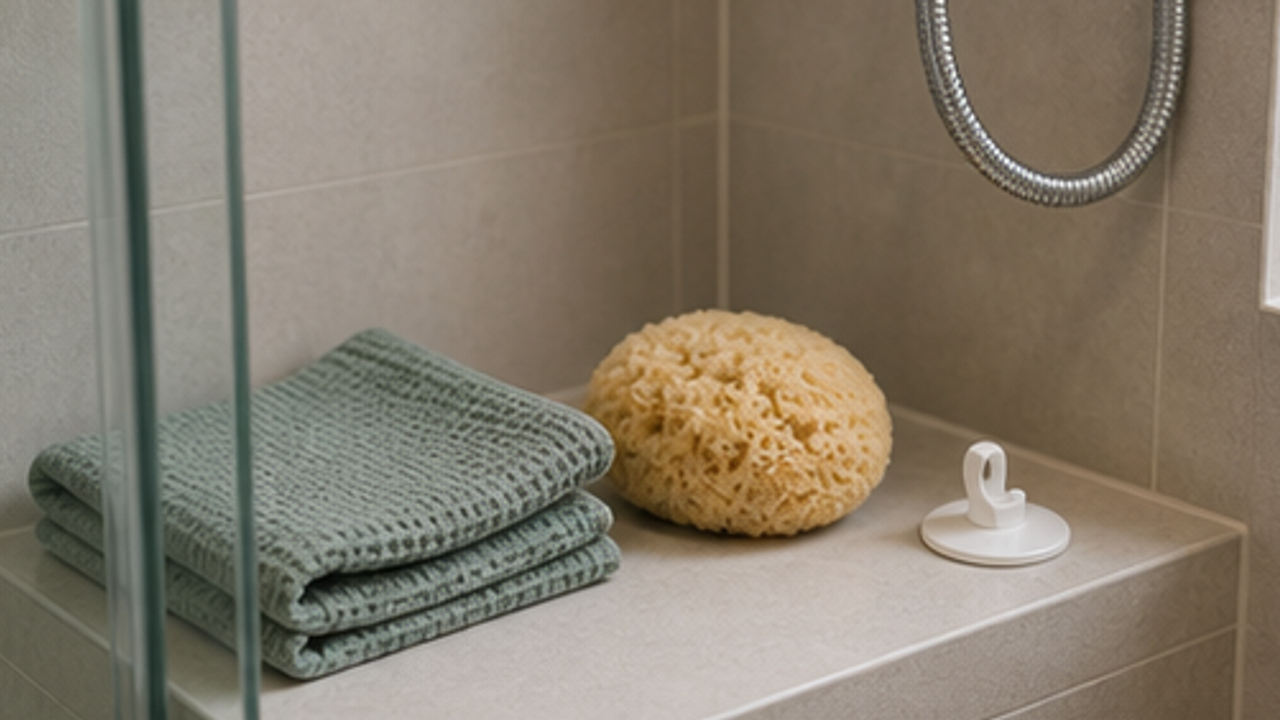
How to Set Up a Bathroom Bath Sponge Drying Hook
Give a bathroom bath sponge drying hook one small fixed home so it is easy to use, return, and keep from spreading across drawers, shelves, or counters.
More from this author
Open
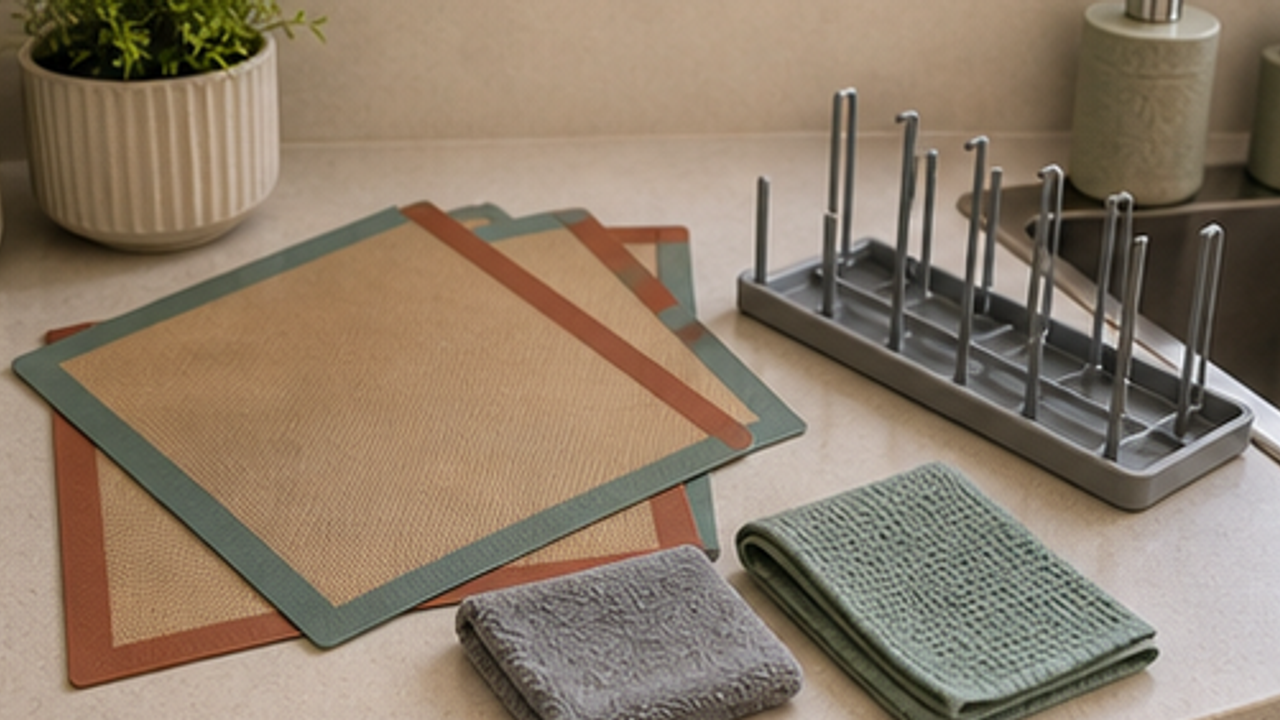
How to Set Up a Kitchen Silicone Baking Mat Drying Rack
Give a kitchen silicone baking mat drying rack one small fixed home so it is easy to use, return, and keep from spreading across drawers, shelves, or counters.
Open
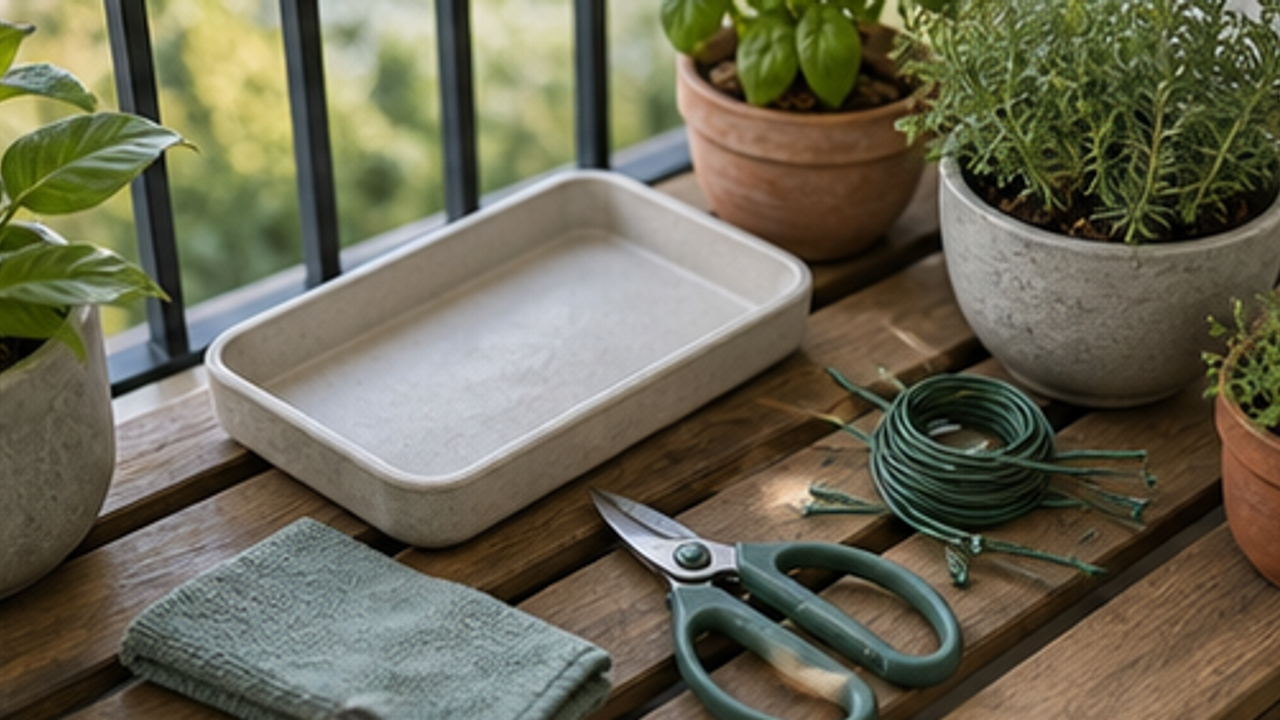
How to Set Up a Balcony Plant Pruning Tool Tray
Give a balcony plant pruning tool tray one small fixed home so it is easy to use, return, and keep from spreading across drawers, shelves, or counters.
Open
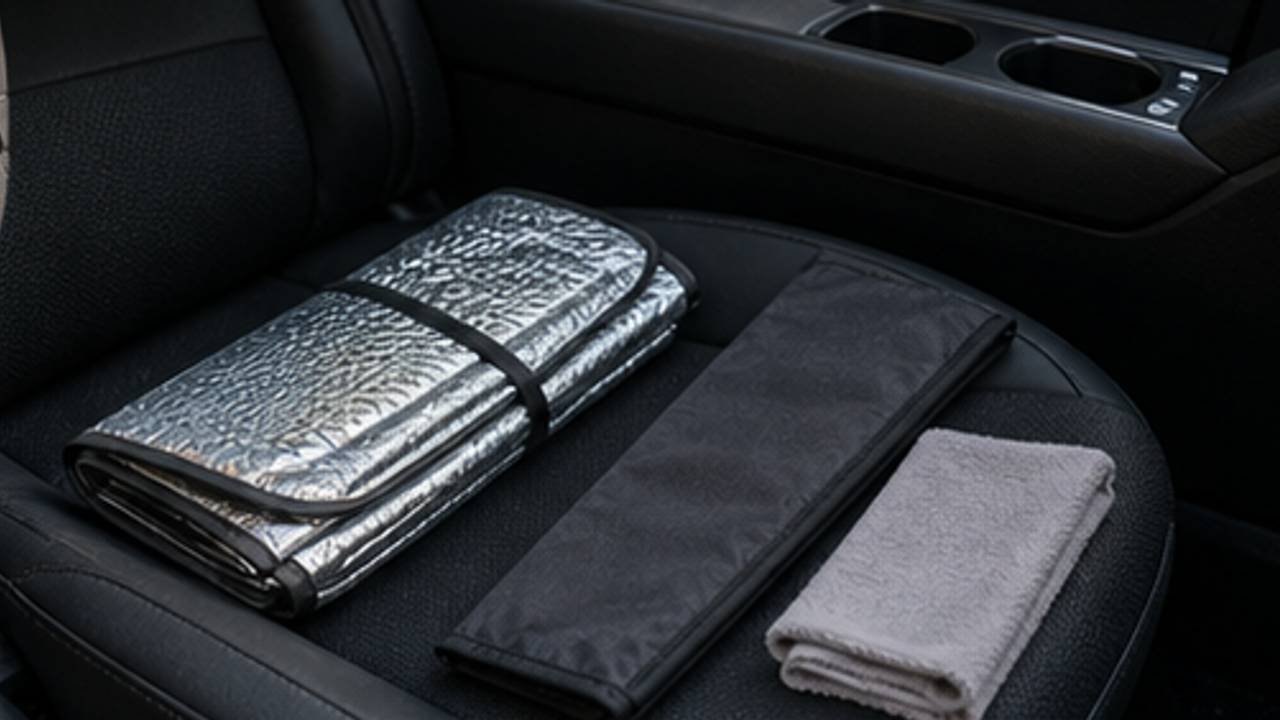
How to Organize a Car Folding Sunshade Sleeve
Give a car folding sunshade sleeve one small fixed home so it is easy to use, return, and keep from spreading across drawers, shelves, or counters.
Life Reactions
How this way feels to you
My Life Trial
Log it after trying
Comments
0 Comments
No comments yet.