

Navigating Without a Compass or GPS Using Natural Landmarks

Step 1
Familiarize yourself with the area before starting your journey. Study maps, if available, and note key natural landmarks such as mountains, rivers, or distinctive trees.
Step 2
Use the position of the sun to determine direction. The sun rises in the east and sets in the west. In the northern hemisphere, at noon, the sun is generally towards the south.
Step 3
Look for prominent landmarks that can serve as reference points. Mountains, towers, or large trees can help you stay oriented. Make sure to commit these to memory.
Step 4
Observe the natural environment, such as the growth patterns of trees. In northern hemispheres, trees may grow thicker and taller on the southern side due to sun exposure.
Step 5
Use water bodies to assist in navigation. Rivers can indicate the general direction of flow (usually towards the sea). Map out how they course through the landscape.
Step 6
Identify the stars for navigation at night. Find the North Star (Polaris) which is roughly aligned with true north. In the southern hemisphere, locate the Southern Cross.
Step 7
Keep track of your route. Make mental notes of the landmarks you pass and the terrain to help you navigate back if necessary.
Step 8
Be cautious of changing weather conditions. Fog, rain, or darkness can obscure landmarks. Always have a plan in case you lose visibility.
Step 9
Use trails or animal paths if available, but always remain aware of your surroundings and don’t get lost in dense areas. Stay on known paths when possible.
Step 10
Have safety measures in place. Carry a whistle, a flashlight, and a first aid kit to be prepared for emergencies.
Same topic
Related guides
Related guides
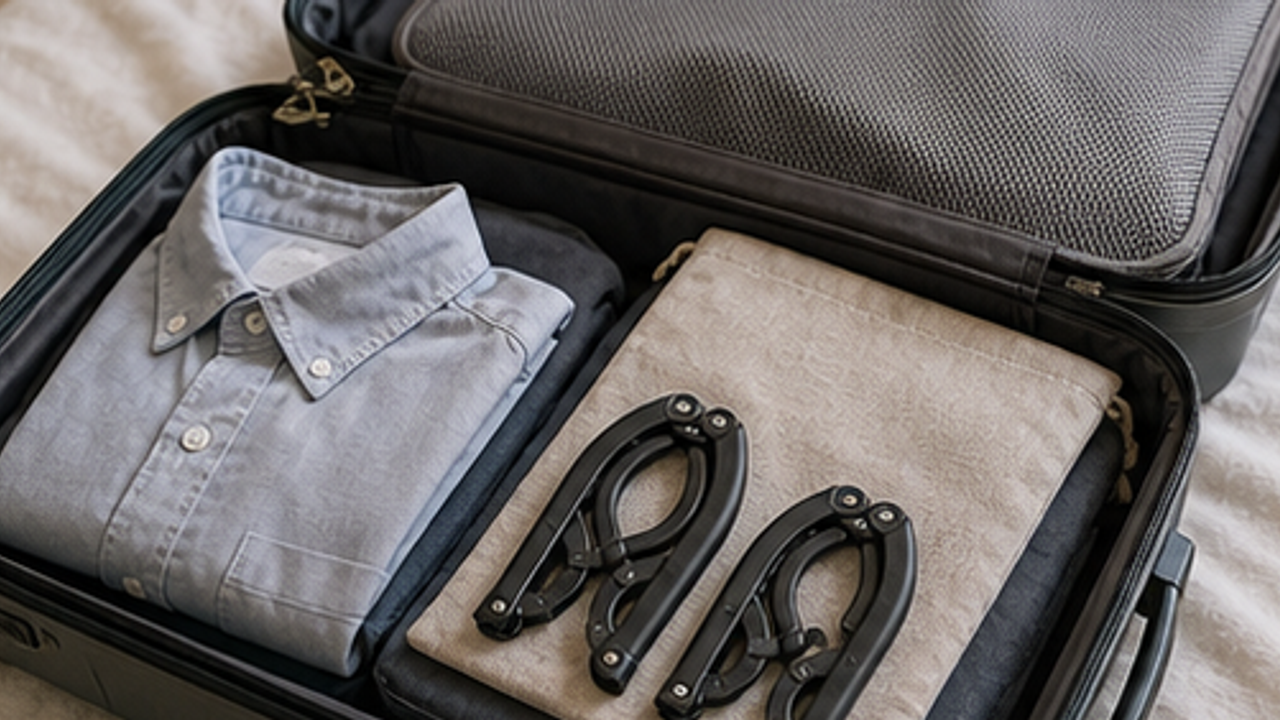
Study & Work
How to Prepare a Travel Folding Hanger Pouch
Give a travel folding hanger pouch one small fixed home so it is easy to use, return, and keep from spreading across drawers, shelves, or counters.
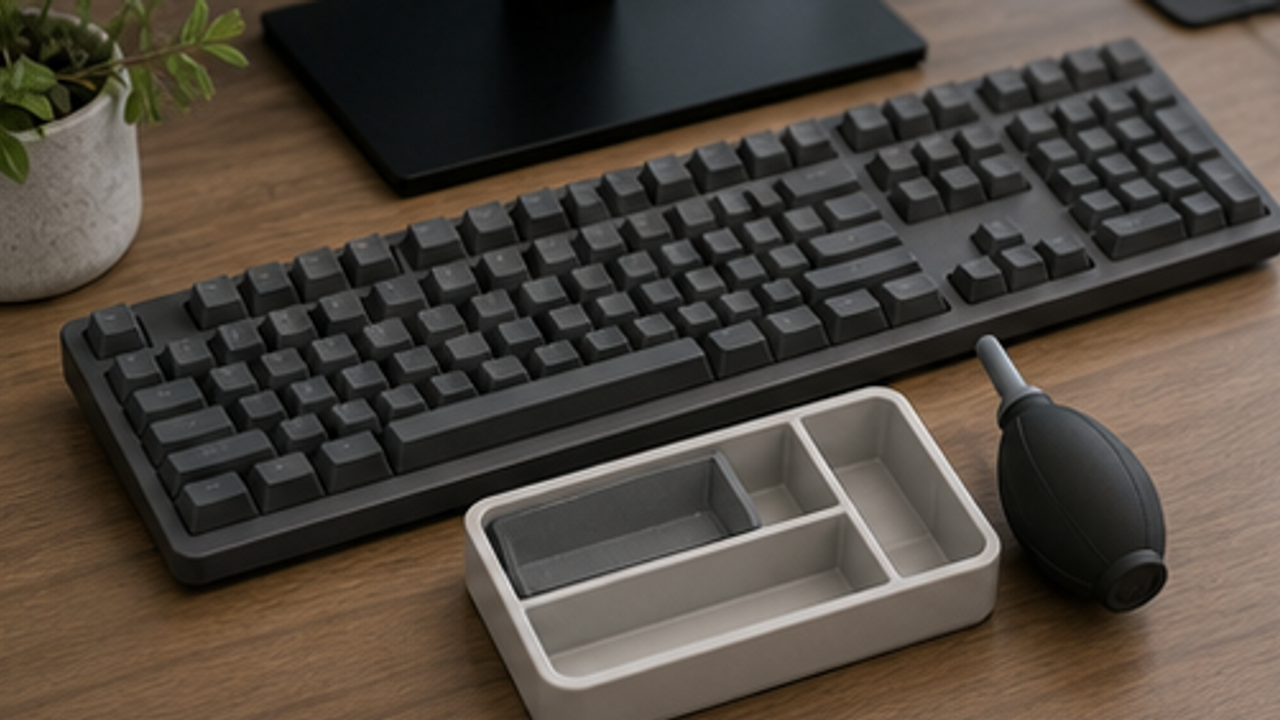
Study & Work
How to Set Up a Desk Keyboard Cleaning Brush Tray
Give a desk keyboard cleaning brush tray one small fixed home so it is easy to use, return, and keep from spreading across drawers, shelves, or counters.
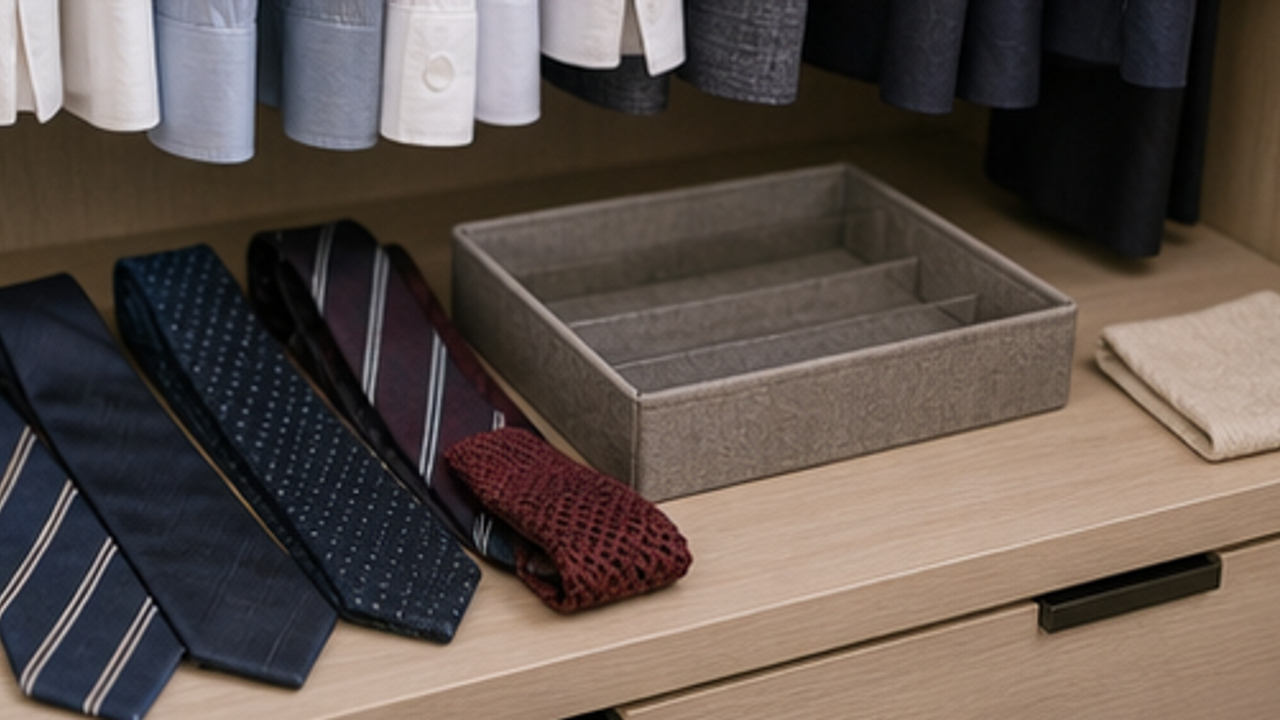
Study & Work
How to Organize Closet Ties in a Roll Tray
Give closet ties in a roll tray one small fixed home so it is easy to use, return, and keep from spreading across drawers, shelves, or counters.
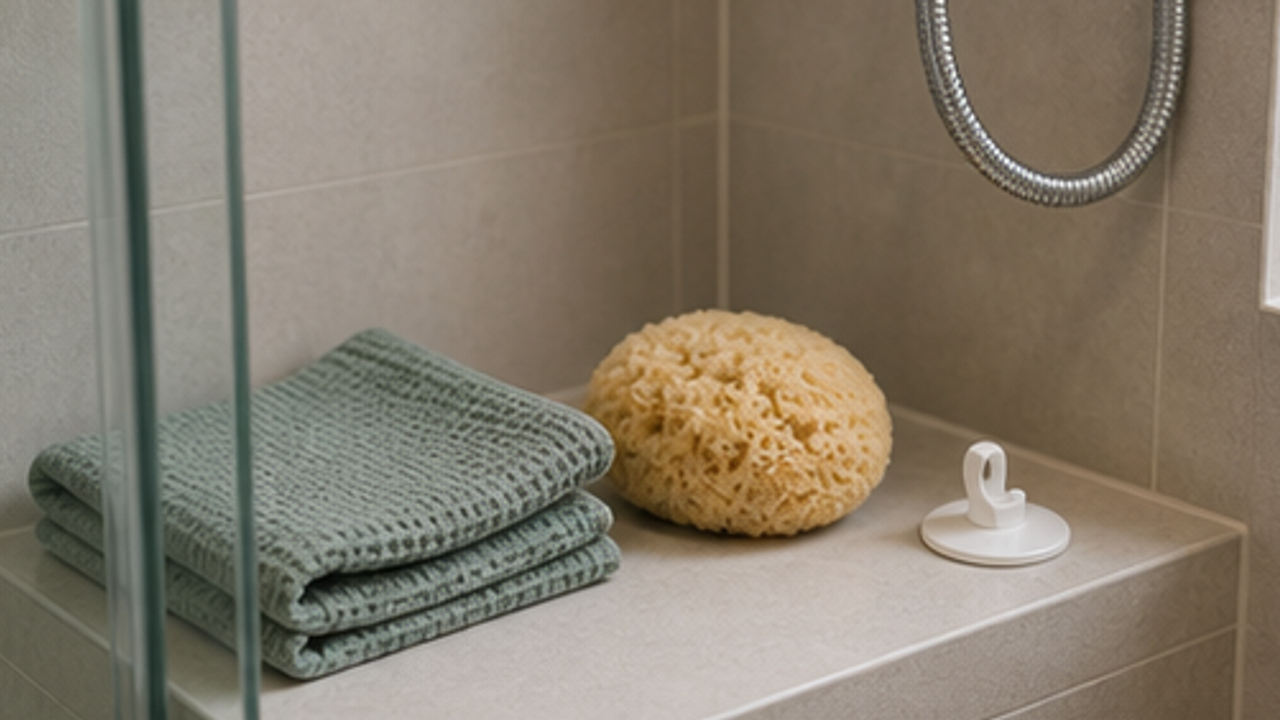
Study & Work
How to Set Up a Bathroom Bath Sponge Drying Hook
Give a bathroom bath sponge drying hook one small fixed home so it is easy to use, return, and keep from spreading across drawers, shelves, or counters.
More from this author
Open
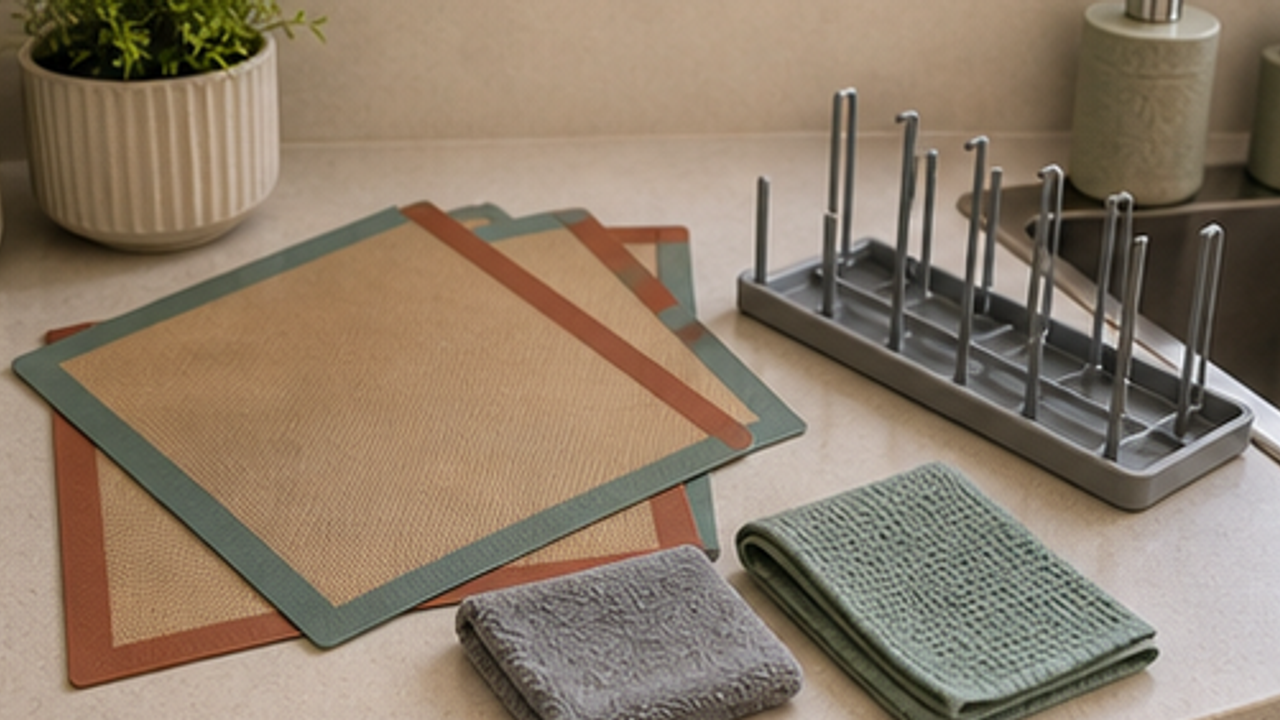
How to Set Up a Kitchen Silicone Baking Mat Drying Rack
Give a kitchen silicone baking mat drying rack one small fixed home so it is easy to use, return, and keep from spreading across drawers, shelves, or counters.
Open
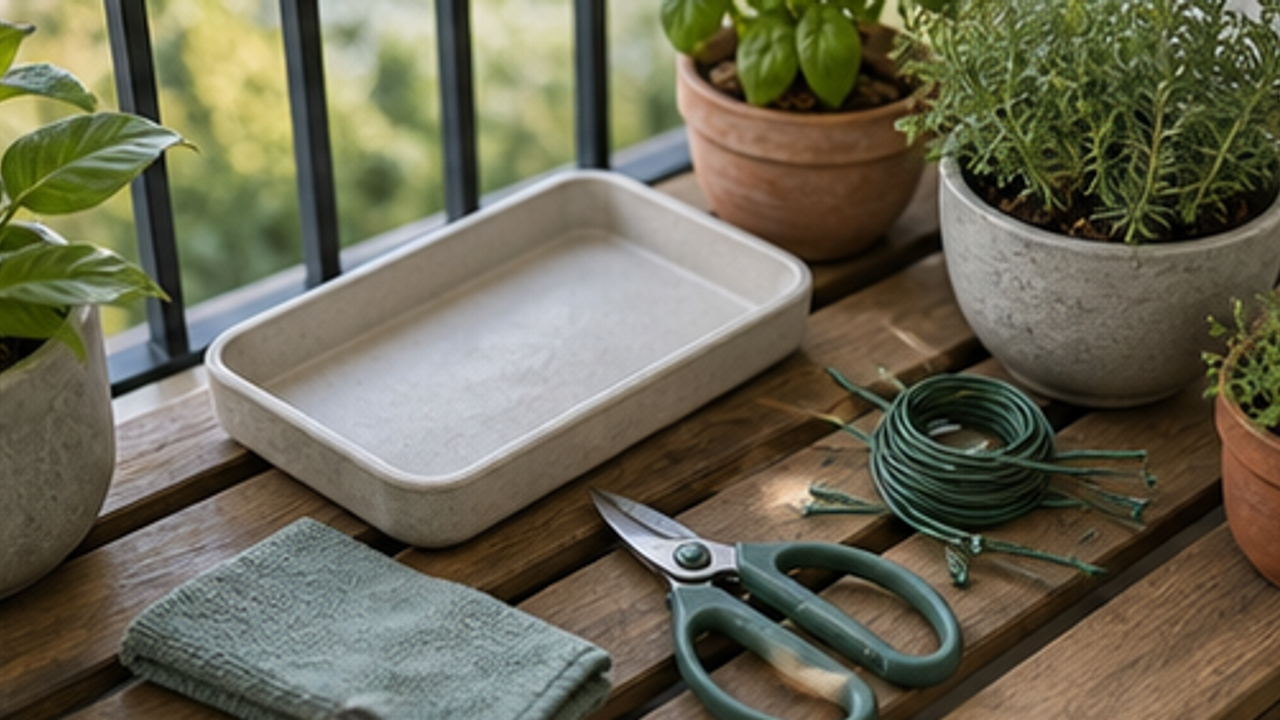
How to Set Up a Balcony Plant Pruning Tool Tray
Give a balcony plant pruning tool tray one small fixed home so it is easy to use, return, and keep from spreading across drawers, shelves, or counters.
Open
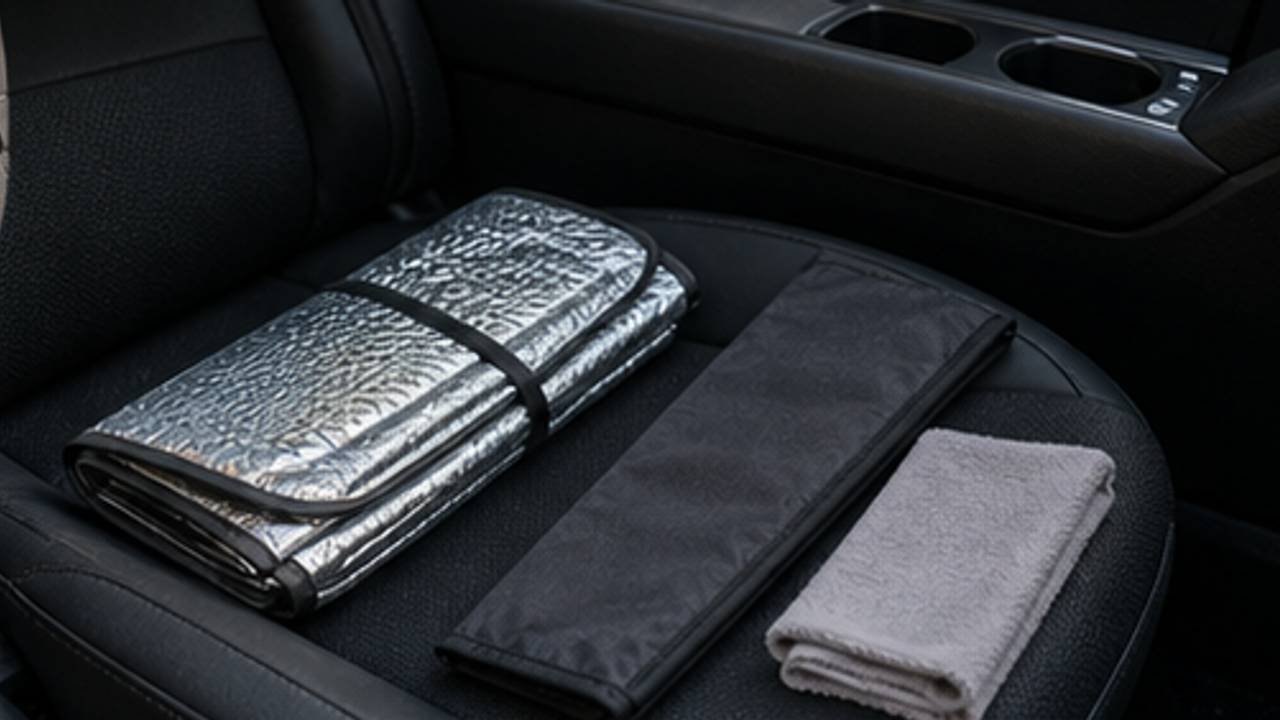
How to Organize a Car Folding Sunshade Sleeve
Give a car folding sunshade sleeve one small fixed home so it is easy to use, return, and keep from spreading across drawers, shelves, or counters.
Life Reactions
How this way feels to you
My Life Trial
Log it after trying
Comments
0 Comments
No comments yet.