

How to Recover When You Don’t Want to Do Anything

Some days do not feel dramatic from the outside, but inside everything is strangely heavy. You do not want to answer messages, clean the room, start the task, or even explain why you cannot start. This guide is not about forcing yourself into productivity. It is a gentle reset sequence: help your body come back online first, make the next action smaller, and rebuild a little trust with yourself.

Name the stuck feeling without blaming yourself

Sit somewhere simple and say one honest sentence: “I do not want to do anything right now, but I am still here.” Write it down if that helps. Do not turn it into an analysis session yet.
When motivation is low, the mind often turns a state into a verdict: “I am lazy” or “I am failing.” Naming the state creates a little distance, so you can respond instead of attacking yourself.
Avoid asking “What is wrong with me?” in this step. If the question pulls you into shame, return to the plain sentence.
Give your body one small signal

Drink a few sips of water, open the curtains, or crack a window. Keep it almost embarrassingly easy. You are not starting a whole morning routine; you are only sending your body a signal that the day can resume gently.
Motivation is not only a mental event. Light, air, hydration, and temperature all tell the nervous system that it is safe to shift out of shutdown.
Do not let this become cleaning, exercising, or fixing everything at once. One minute is enough.
Shrink today down to one tiny action

Choose one task and make it much smaller. Not “finish the report,” but “open the document.” Not “clean the room,” but “take one cup to the sink.” If it sounds too small to count, it is probably the right size.
A large task can feel like a wall when you are depleted. A tiny action gives your brain a doorway instead of a wall.
Do not choose the hardest or most important task just to prove something. Choose the easiest honest start.
Stay with it for only five minutes

Set a five-minute timer and tell yourself: “When it rings, I am allowed to stop.” During those minutes, do the tiny action without judging the quality of your effort.
The timer gives your brain an exit door. Starting feels less threatening when it is clearly limited and does not secretly mean “now I must do everything.”
When the timer ends, stopping is allowed. Continuing is optional, not a new obligation.
Clear one small place that can breathe
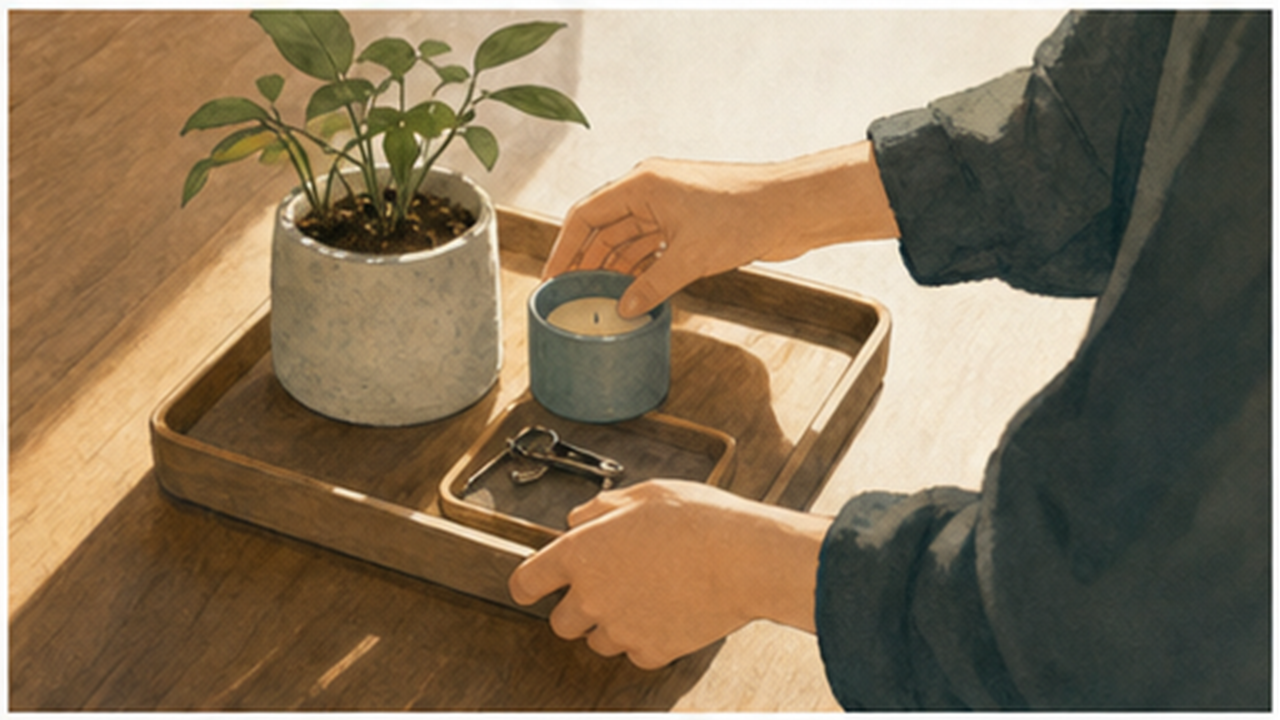
Pick a very small area: one corner of the desk, the bedside table, the sink edge. Move only 5 to 10 items. Throw away obvious trash, take dishes out, and leave one usable surface behind.
A messy environment can keep pulling on your attention. One clear spot becomes a landing place, a visual reminder that not everything is out of control.
Do not try to restore the whole room. One small clear area is the win.
Let your body move gently

Stand up, stretch your neck and shoulders, walk to the window, or pace slowly for three minutes. You are not trying to exercise hard; you are helping your body leave one frozen position.
Low motivation often comes with physical stillness. Gentle movement brings your attention back into the room and gives your breathing a little more space.
If you are exhausted, keep it soft. Movement should not feel like punishment.
Send a small signal to a safe person

Message someone who usually feels steady: “I am a bit stuck today. You do not need to fix it, but could you keep me company for a minute?” If words feel too much, send a simple check-in.
When you are stuck, isolation can make the feeling thicker. A small connection does not solve everything, but it reminds your system that you do not have to disappear.
Do not choose someone who tends to criticize, rush, or lecture you. Gentle support matters more than advice.
Record one small win before the day ends

Before sleep, write one thing you did manage: “I drank water,” “I opened the window,” “I answered one message.” Stop there. Do not turn it into a list of everything still unfinished.
Your brain needs evidence that action is still possible. Small wins are not fake positivity; they are breadcrumbs back to trust.
This is not a place to judge the day. Only record the part of you that returned, even briefly.
Same topic
Related guides
Related guides
Home Organization
How to Prepare a Travel Folding Hanger Pouch
Give a travel folding hanger pouch one small fixed home so it is easy to use, return, and keep from spreading across drawers, shelves, or counters.
Home Organization
How to Set Up a Desk Keyboard Cleaning Brush Tray
Give a desk keyboard cleaning brush tray one small fixed home so it is easy to use, return, and keep from spreading across drawers, shelves, or counters.
Study & Work
How to Organize Closet Ties in a Roll Tray
Give closet ties in a roll tray one small fixed home so it is easy to use, return, and keep from spreading across drawers, shelves, or counters.
Home Organization
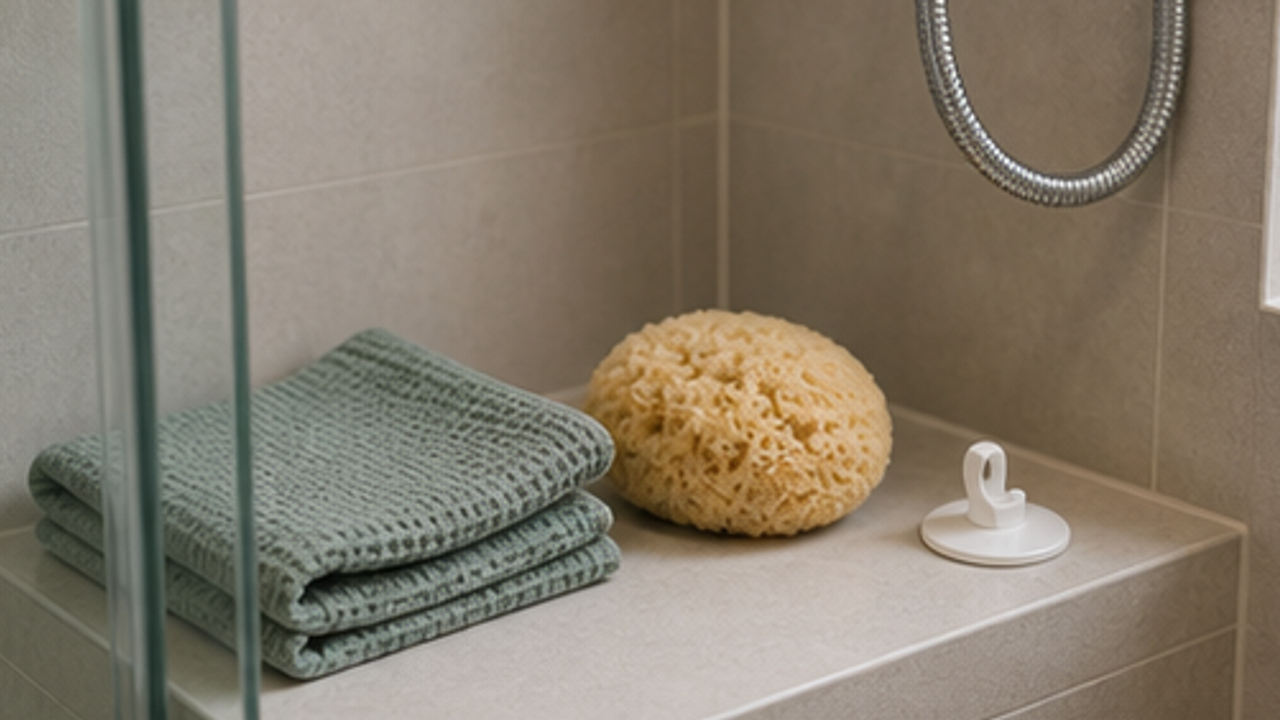
How to Set Up a Bathroom Bath Sponge Drying Hook
Give a bathroom bath sponge drying hook one small fixed home so it is easy to use, return, and keep from spreading across drawers, shelves, or counters.
More from this author
Open
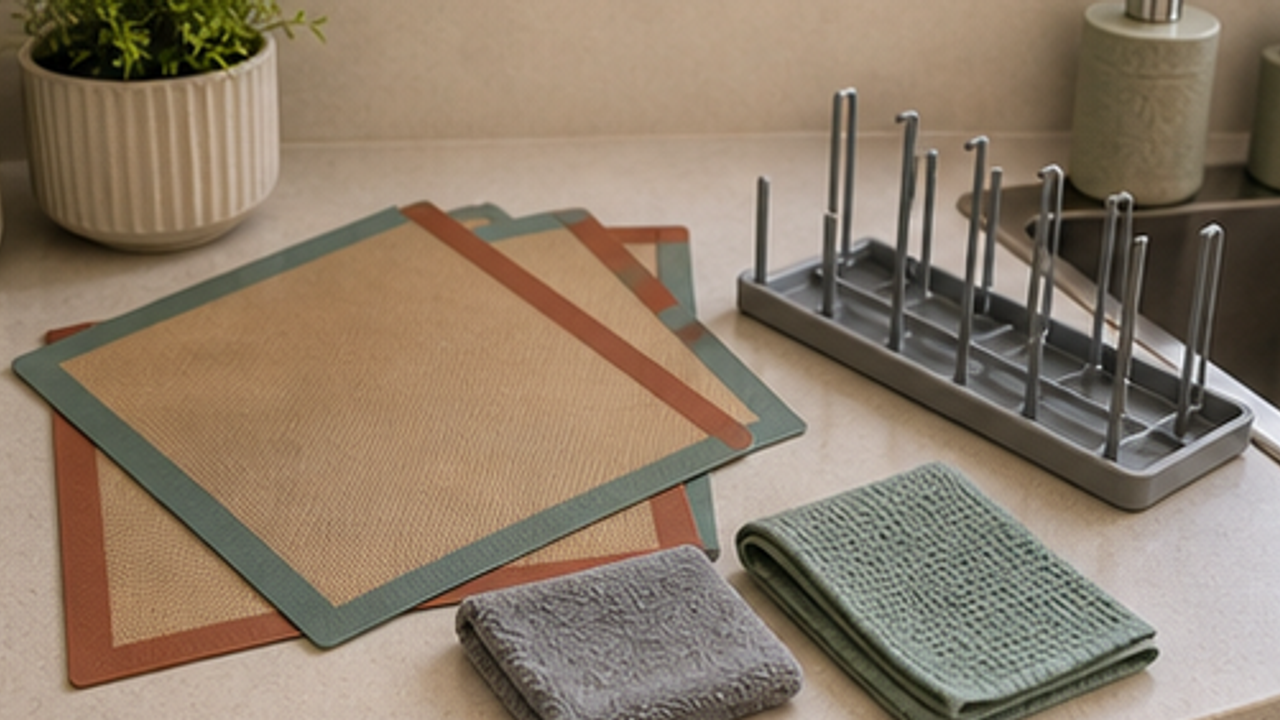
How to Set Up a Kitchen Silicone Baking Mat Drying Rack
Give a kitchen silicone baking mat drying rack one small fixed home so it is easy to use, return, and keep from spreading across drawers, shelves, or counters.
Open
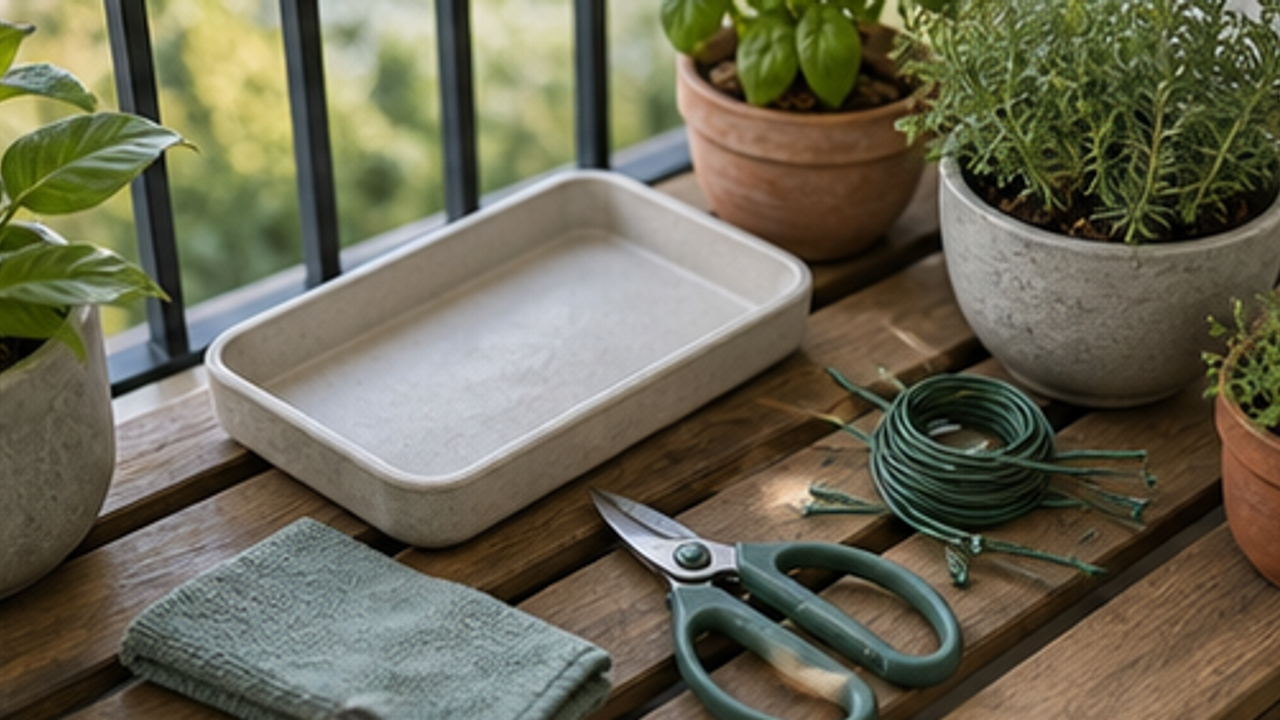
How to Set Up a Balcony Plant Pruning Tool Tray
Give a balcony plant pruning tool tray one small fixed home so it is easy to use, return, and keep from spreading across drawers, shelves, or counters.
Open
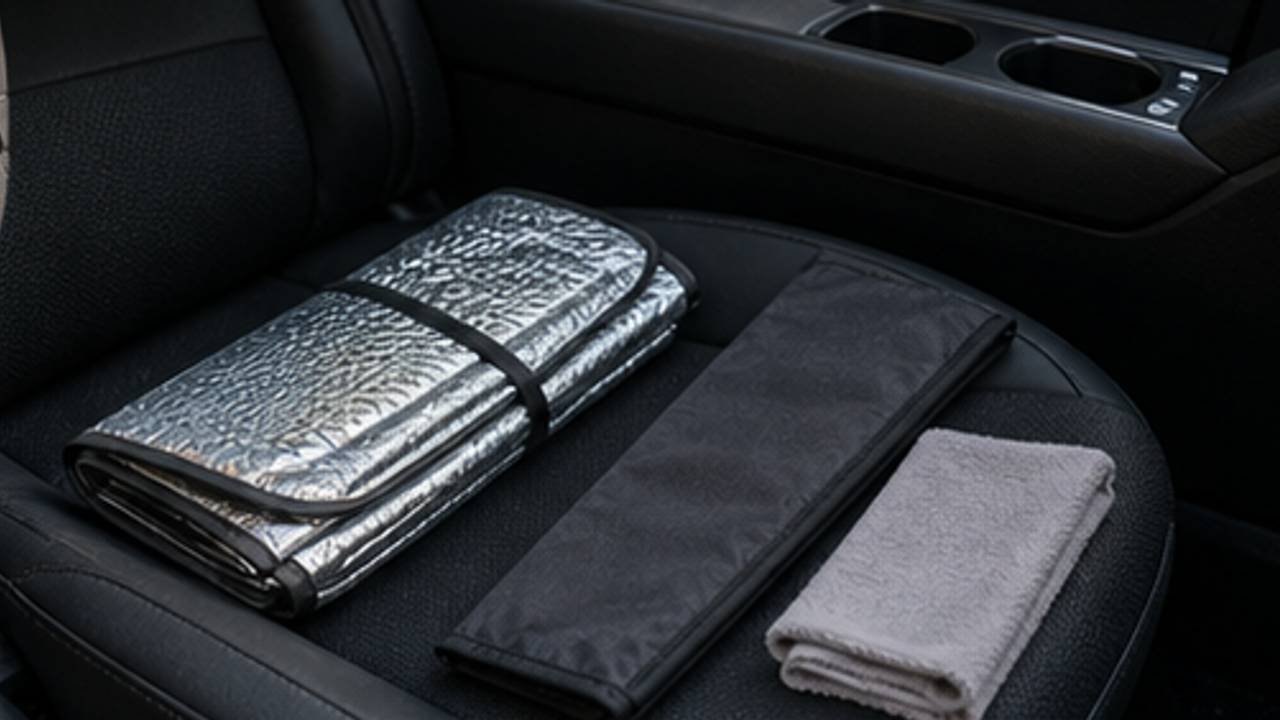
How to Organize a Car Folding Sunshade Sleeve
Give a car folding sunshade sleeve one small fixed home so it is easy to use, return, and keep from spreading across drawers, shelves, or counters.
Life Reactions
How this way feels to you
My Life Trial
Log it after trying
Comments
0 Comments
No comments yet.