

Pros and Cons of Using Biological Pesticides Over Chemical Alternatives

Step 1
Understand the definition of biological pesticides and chemical alternatives.
Step 2
Research the environmental impact of both biological and chemical pesticides. Consider factors such as water contamination, soil health, and biodiversity.
Step 3
Investigate the health impacts of using biological pesticide versus chemical pesticide on humans and non-target species (like bees and other beneficial insects).
Step 4
Compile a list of pros for biological pesticides, including: less toxicity to humans and animals, target specificity, and potential to improve soil health.
Step 5
Compile a list of cons for biological pesticides, including: potential for inconsistent effectiveness, slower action compared to chemicals, and possibly higher costs.
Step 6
Compile a list of pros for chemical pesticides, focusing on their effectiveness, speed of action, and cost-efficiency.
Step 7
Compile a list of cons for chemical pesticides, including: potential harm to non-target species, risk of developing resistance in pests, and negative long-term environmental effects.
Step 8
Compare the pros and cons of each pesticide type side by side to visually interpret their advantages and disadvantages.
Step 9
Consider the specific context of use, such as the type of pest problem, crop, and environmental conditions, to assess which option may be better suited for a particular situation.
Step 10
Assess regulatory considerations regarding the use of biological and chemical pesticides and check for approvals or certifications needed in your area.
Step 11
Consult with agricultural experts, agronomists, or extension services for further information and tailored advice based on specific needs.
Step 12
Make an informed decision based on the gathered information, weighing the pros and cons in the context of your specific situation.
Step 13
Implement the chosen pesticide solution according to best practices, ensuring adherence to safety guidelines and environmental considerations.
Step 14
Monitor the results of the pesticide use and make adjustments as needed, documenting effectiveness and any environmental impacts.
Step 15
Review and reflect upon the outcome of the chosen pesticide strategy for future reference and potential improvements.
Same topic
Related guides
Related guides

Study & Work
How to Prepare a Travel Folding Hanger Pouch
Give a travel folding hanger pouch one small fixed home so it is easy to use, return, and keep from spreading across drawers, shelves, or counters.

Study & Work
How to Set Up a Desk Keyboard Cleaning Brush Tray
Give a desk keyboard cleaning brush tray one small fixed home so it is easy to use, return, and keep from spreading across drawers, shelves, or counters.

Study & Work
How to Organize Closet Ties in a Roll Tray
Give closet ties in a roll tray one small fixed home so it is easy to use, return, and keep from spreading across drawers, shelves, or counters.
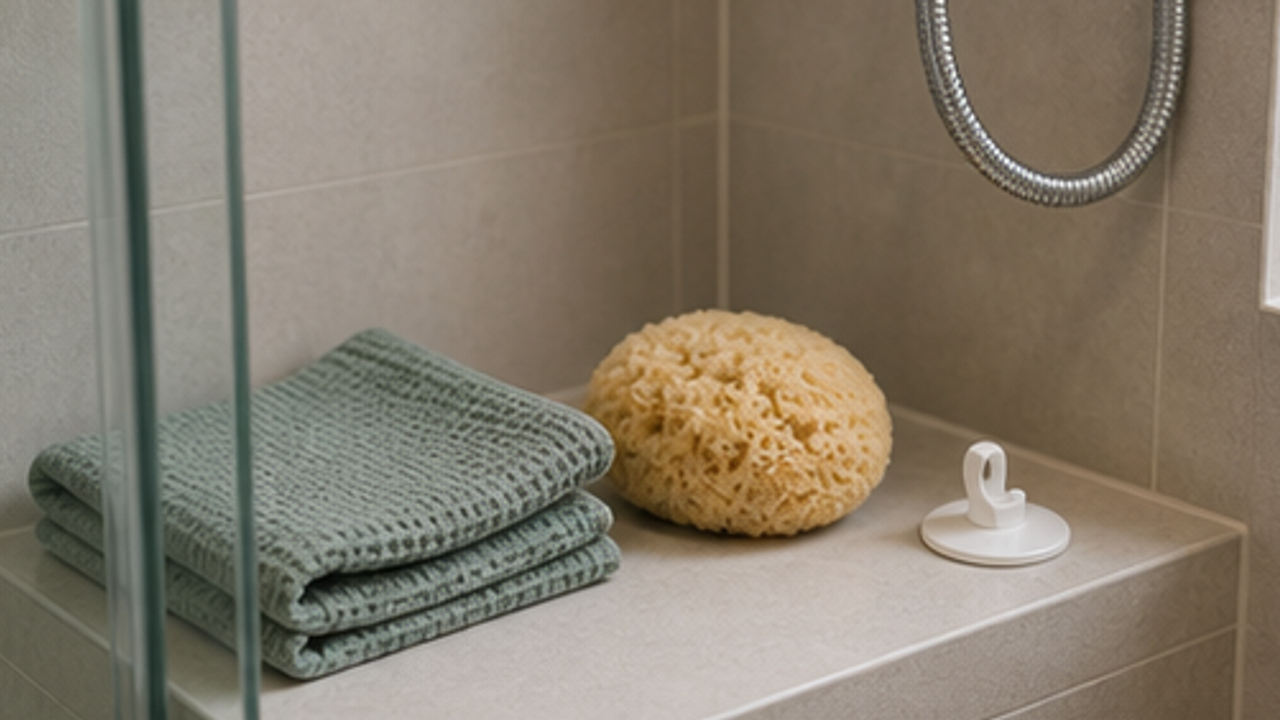
Study & Work
How to Set Up a Bathroom Bath Sponge Drying Hook
Give a bathroom bath sponge drying hook one small fixed home so it is easy to use, return, and keep from spreading across drawers, shelves, or counters.
More from this author

Open
How to Set Up a Kitchen Silicone Baking Mat Drying Rack
Give a kitchen silicone baking mat drying rack one small fixed home so it is easy to use, return, and keep from spreading across drawers, shelves, or counters.

Open
How to Set Up a Balcony Plant Pruning Tool Tray
Give a balcony plant pruning tool tray one small fixed home so it is easy to use, return, and keep from spreading across drawers, shelves, or counters.

Open
How to Organize a Car Folding Sunshade Sleeve
Give a car folding sunshade sleeve one small fixed home so it is easy to use, return, and keep from spreading across drawers, shelves, or counters.

Life Reactions
How this way feels to you
My Life Trial
Log it after trying
Comments
0 Comments
No comments yet.