

Effective Use of a Survival Knife for Fire-Starting and Hunting

Step 1
Choose the right survival knife. Look for a knife with a fixed blade, good grip, and durable materials suitable for tough tasks.
Step 2
Ensure the knife is sharp. A dull knife is dangerous and less effective for tasks like cutting wood for fire-starting or skinning game.
Step 3
Begin fire-starting by gathering tinder, kindling, and fuelwood. Use dry materials like leaves, small twigs, and larger logs for the fire.
Step 4
Use the survival knife to shave thin strips of bark or twigs from your tinder materials to create a flammable surface. Hold the knife securely and use controlled cuts to avoid slips.
Step 5
Create a 'fire bow' or 'feather sticks' with your knife. For feather sticks, carve the wood into thin shavings by angling the knife edge and pulling the blade towards you. This increases surface area and helps catch sparks.
Step 6
If you have ferro rod or steel, use the knife's spine to strike against the rod, creating sparks that can ignite your tinder. This should be done away from your body and others for safety.
Step 7
Once the tinder catches a spark, gently blow on it to ignite. Gradually add kindling and then larger logs to build your fire. Keep your hands clear of the flame and be cautious of flare-ups.
Step 8
For hunting, identify your target and approach it quietly. Use the knife to prepare tools or set traps if necessary.
Step 9
Once you've successfully hunted, use the knife for skinning. Start at the back legs, cutting carefully along the skin, keeping the blade just above the meat to avoid wasting any.
Step 10
Always cut away from your body to prevent accidents. Maintain a firm grip on both the animal and the knife.
Step 11
After skinning, the knife can be used to quarter the animal for easier transport. Ensure your cuts are clean and precise to minimize waste.
Step 12
Clean the knife thoroughly after each use. Remove any residue or blood and sharpen it as needed to keep it ready for the next task.
Step 13
Always practice knife safety. Keep the blade covered when not in use, and never point the knife toward yourself or others.
Same topic
Related guides
Related guides
Cleaning
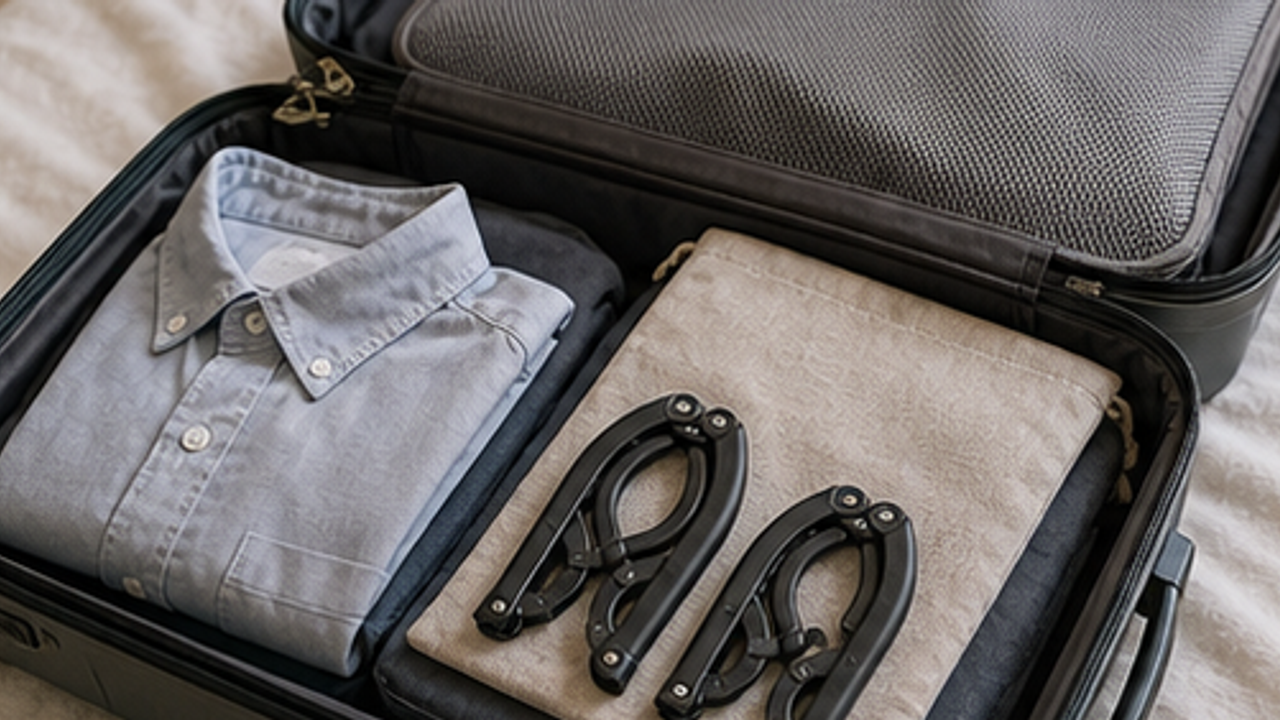
How to Prepare a Travel Folding Hanger Pouch
Give a travel folding hanger pouch one small fixed home so it is easy to use, return, and keep from spreading across drawers, shelves, or counters.
Cleaning
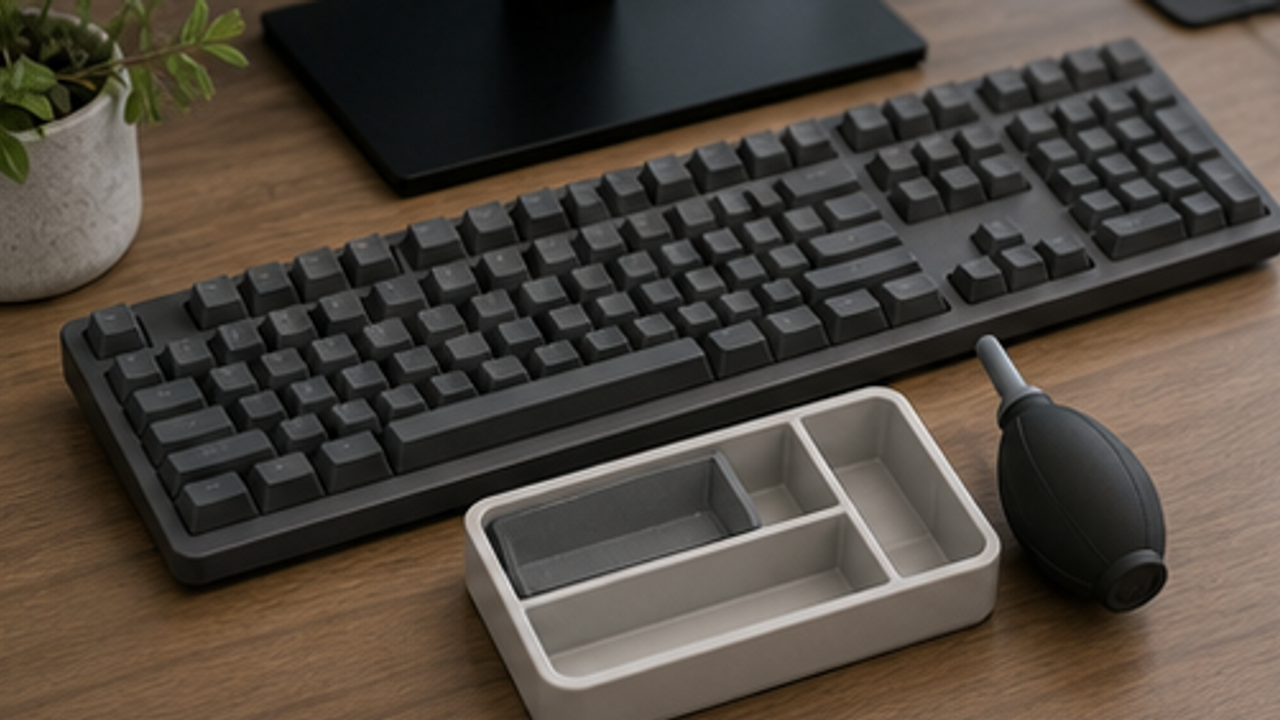
How to Set Up a Desk Keyboard Cleaning Brush Tray
Give a desk keyboard cleaning brush tray one small fixed home so it is easy to use, return, and keep from spreading across drawers, shelves, or counters.

Cleaning
How to Organize Closet Ties in a Roll Tray
Give closet ties in a roll tray one small fixed home so it is easy to use, return, and keep from spreading across drawers, shelves, or counters.
Cleaning
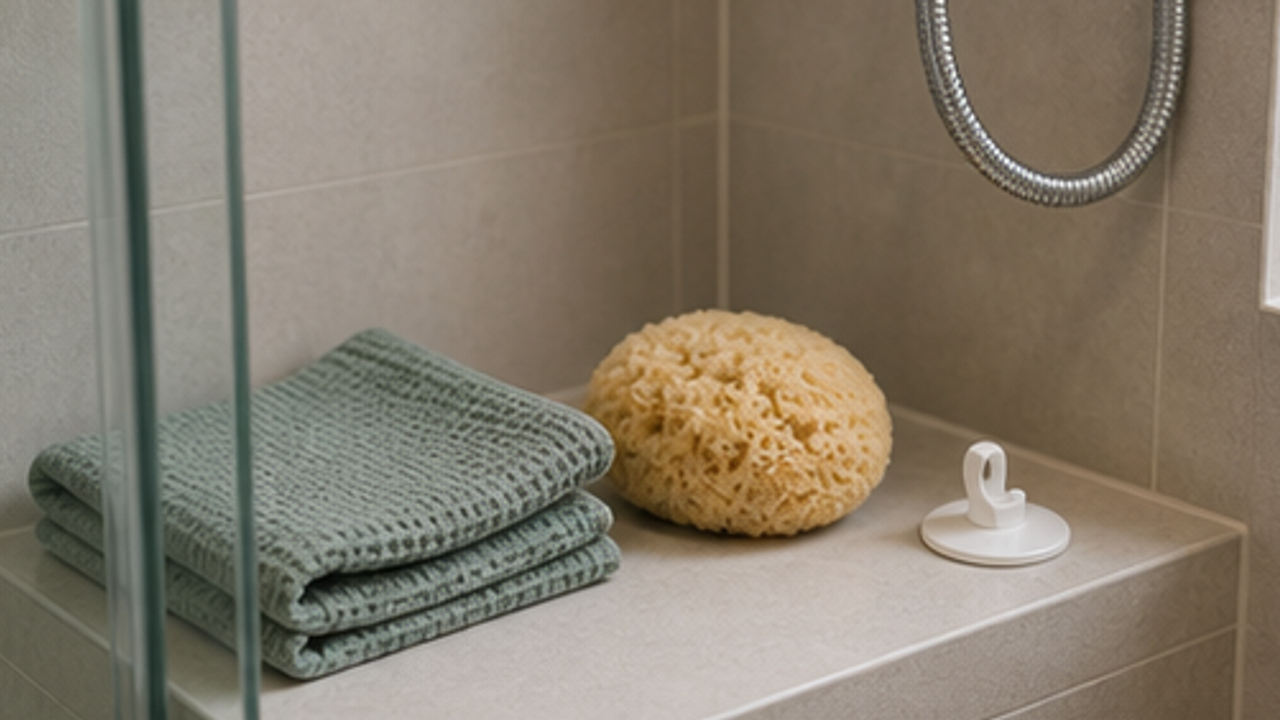
How to Set Up a Bathroom Bath Sponge Drying Hook
Give a bathroom bath sponge drying hook one small fixed home so it is easy to use, return, and keep from spreading across drawers, shelves, or counters.
More from this author
Open
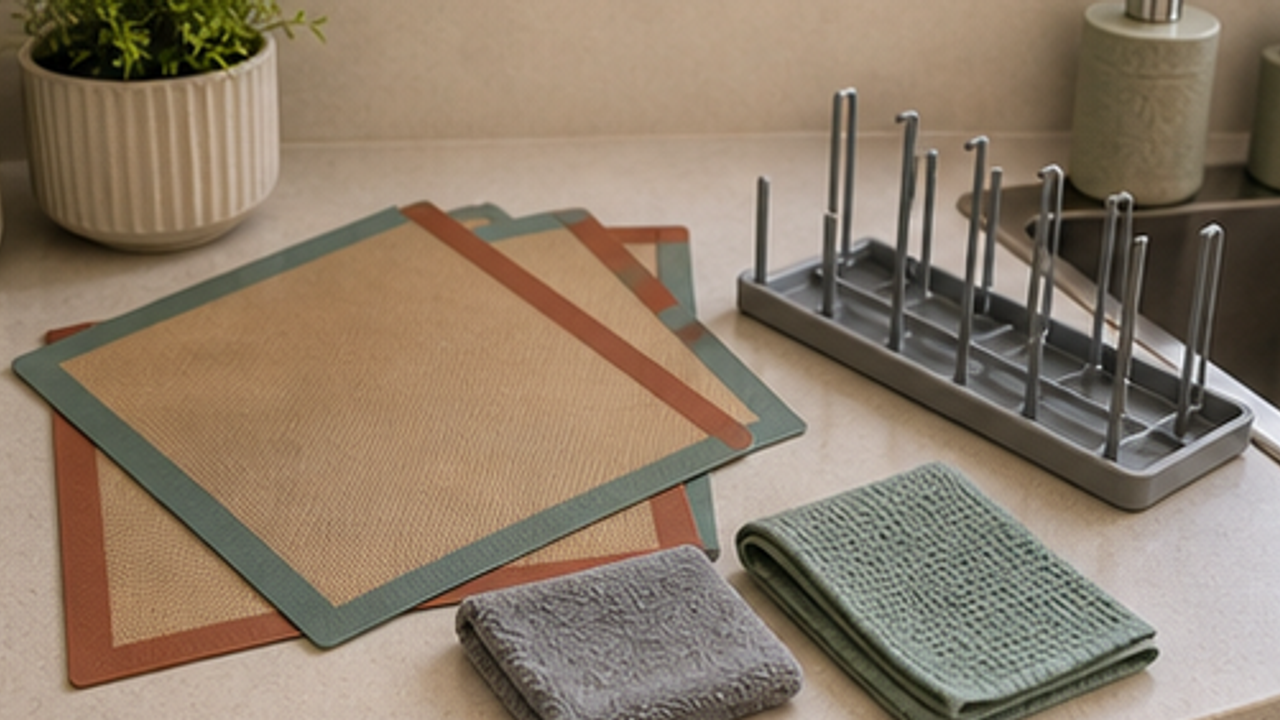
How to Set Up a Kitchen Silicone Baking Mat Drying Rack
Give a kitchen silicone baking mat drying rack one small fixed home so it is easy to use, return, and keep from spreading across drawers, shelves, or counters.
Open
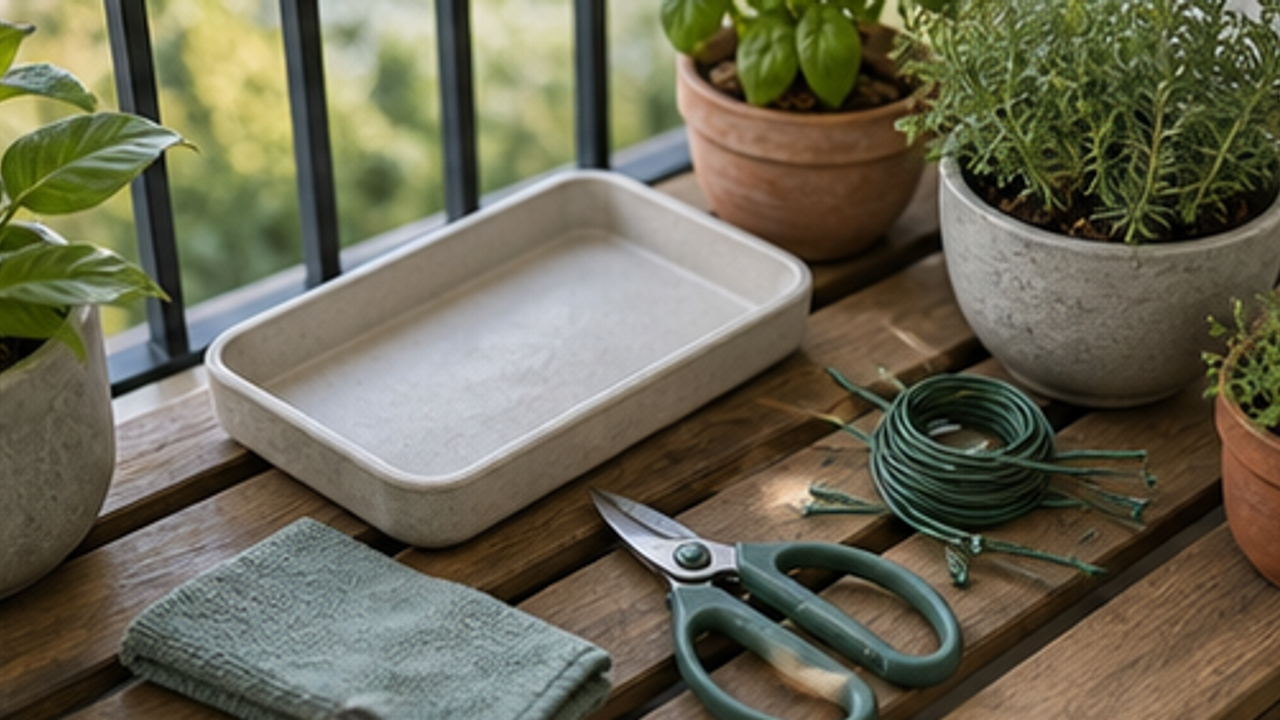
How to Set Up a Balcony Plant Pruning Tool Tray
Give a balcony plant pruning tool tray one small fixed home so it is easy to use, return, and keep from spreading across drawers, shelves, or counters.
Open
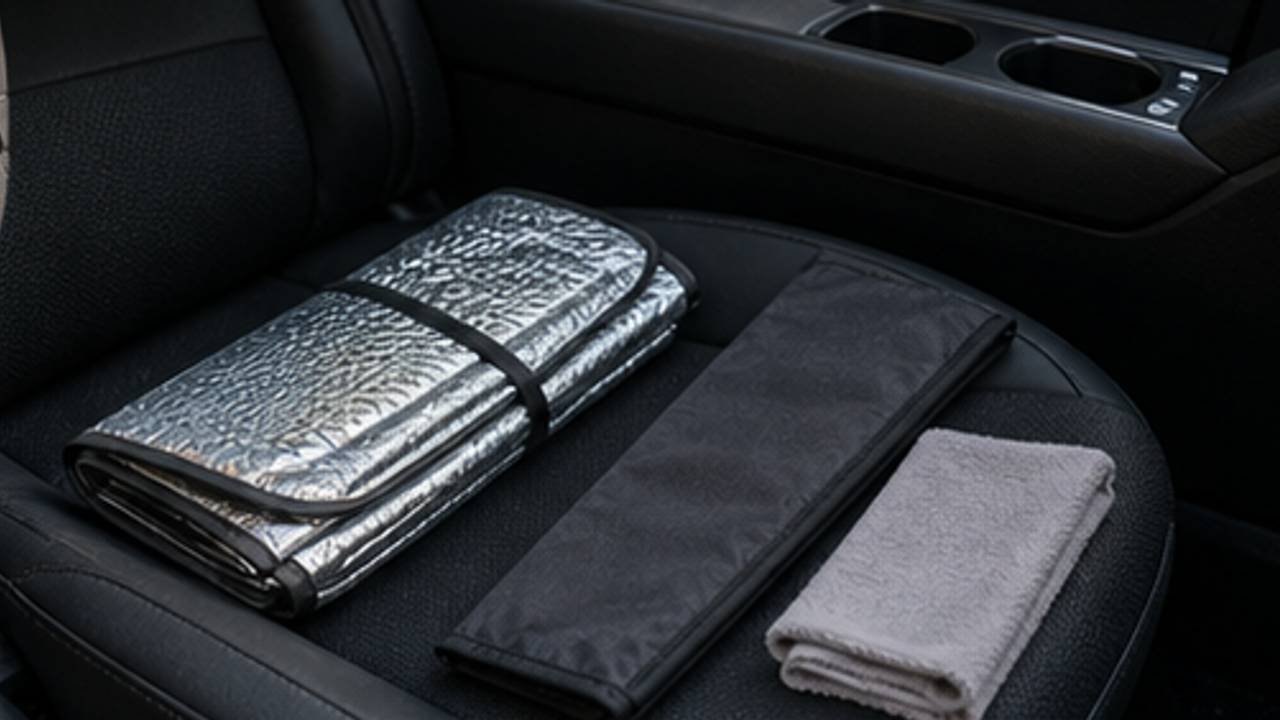
How to Organize a Car Folding Sunshade Sleeve
Give a car folding sunshade sleeve one small fixed home so it is easy to use, return, and keep from spreading across drawers, shelves, or counters.
Life Reactions
How this way feels to you
My Life Trial
Log it after trying
Comments
0 Comments
No comments yet.