

Best Practices for Preventing Altitude Sickness in High-Altitude Trekking

Step 1
Acclimatization: Gradually ascend to higher altitudes and allow your body to adjust. Ascend no more than 300-500 meters (1000-1600 feet) per day above 3000 meters (9800 feet).
Step 2
Stay Hydrated: Drink plenty of fluids, aiming for 3-4 liters of water daily. Avoid alcohol and caffeine as they can lead to dehydration.
Step 3
Eat Well: Consume a well-balanced diet with a focus on carbohydrates. Foods like pasta, rice, and potatoes can help provide energy.
Step 4
Monitor Your Health: Pay attention to your body and recognize symptoms of altitude sickness. Early signs can include headaches, nausea, dizziness, and fatigue.
Step 5
Descend if Necessary: If you or your companions experience severe symptoms (e.g., persistent headache, shortness of breath), descend to a lower altitude immediately.
Step 6
Consider Medication: Talk to your doctor about preventative medications, such as Acetazolamide (Diamox), which can help reduce the risk of altitude sickness.
Step 7
Formulate a Trekking Plan: Establish a reasonable trekking itinerary that allows for rest days and gradual acclimatization. Avoid rushing your ascent.
Step 8
Travel with Others: Trekking with a group allows you to monitor each other’s health and provides support in case someone experiences symptoms.
Step 9
Dress Appropriately: Wear layers that can be added or removed as temperatures fluctuate. This will help you stay comfortable and maintain energy levels.
Step 10
Stay in Good Shape: Prior to your trek, improve your overall fitness with cardiovascular exercises and strength training to ensure your body can handle the physical stress of altitude.
Same topic
Related guides
Related guides
Study & Work
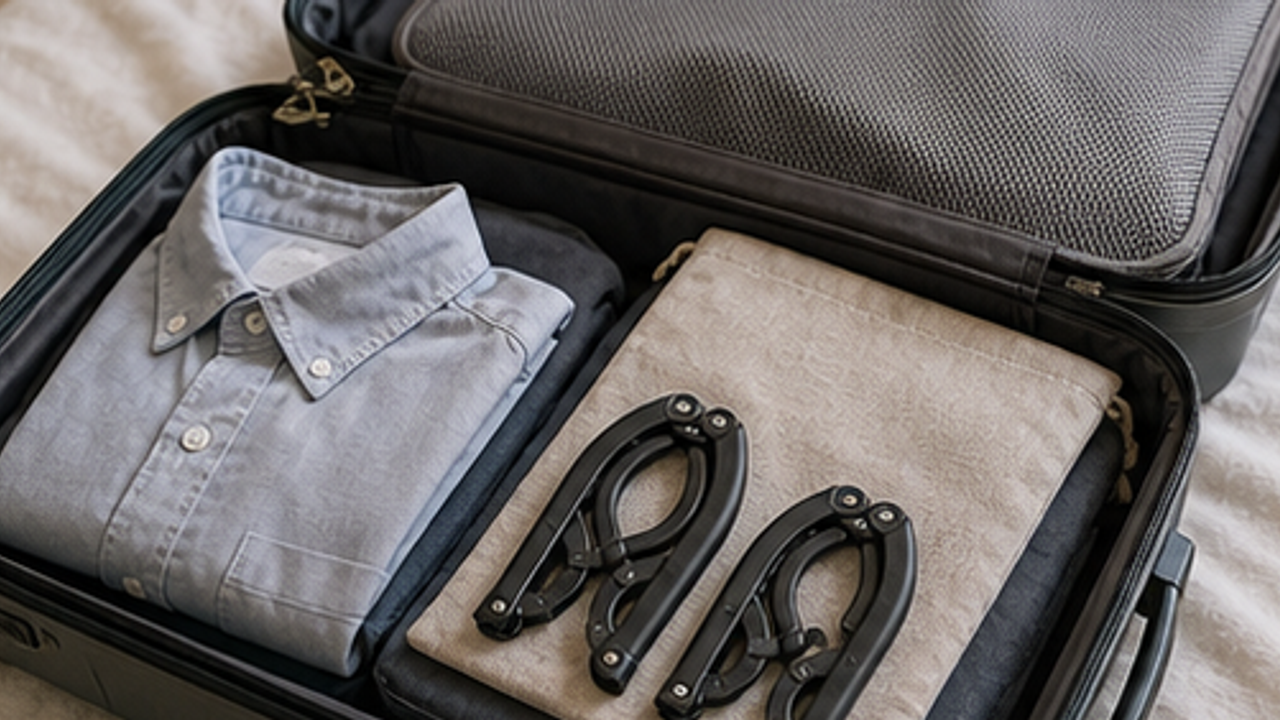
How to Prepare a Travel Folding Hanger Pouch
Give a travel folding hanger pouch one small fixed home so it is easy to use, return, and keep from spreading across drawers, shelves, or counters.

Study & Work
How to Set Up a Desk Keyboard Cleaning Brush Tray
Give a desk keyboard cleaning brush tray one small fixed home so it is easy to use, return, and keep from spreading across drawers, shelves, or counters.

Study & Work
How to Organize Closet Ties in a Roll Tray
Give closet ties in a roll tray one small fixed home so it is easy to use, return, and keep from spreading across drawers, shelves, or counters.
Study & Work
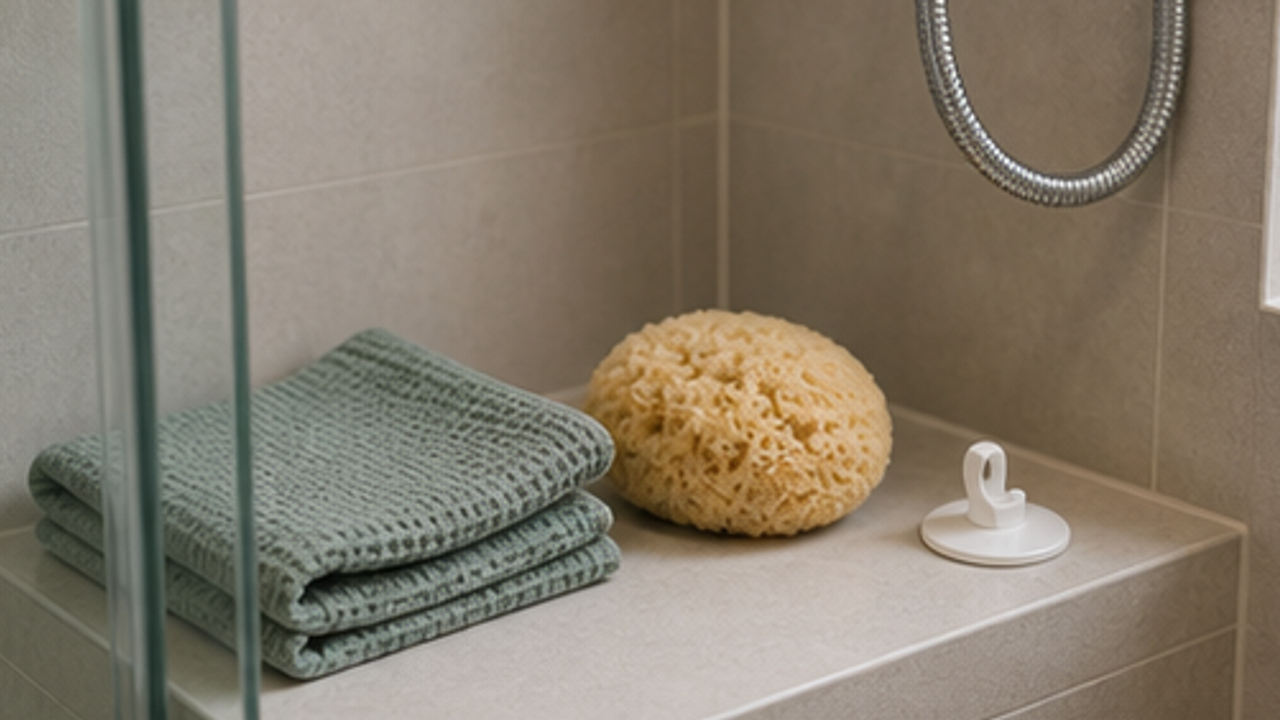
How to Set Up a Bathroom Bath Sponge Drying Hook
Give a bathroom bath sponge drying hook one small fixed home so it is easy to use, return, and keep from spreading across drawers, shelves, or counters.
More from this author
Open
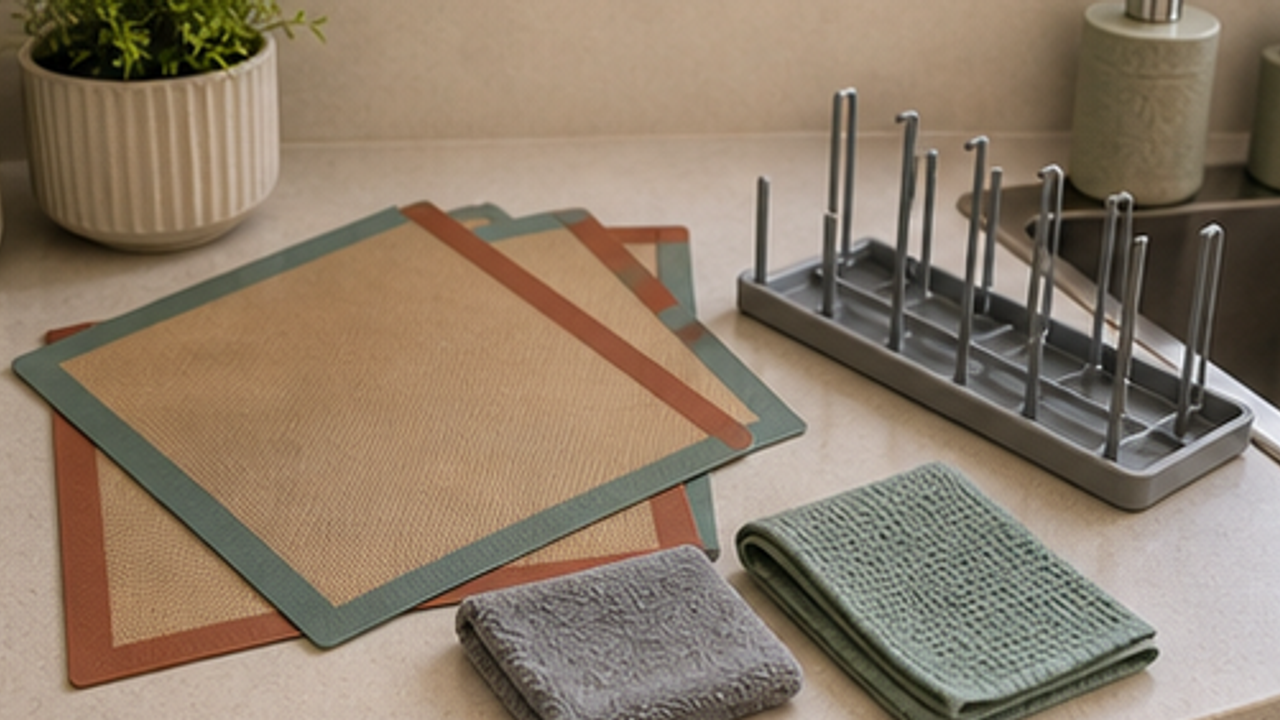
How to Set Up a Kitchen Silicone Baking Mat Drying Rack
Give a kitchen silicone baking mat drying rack one small fixed home so it is easy to use, return, and keep from spreading across drawers, shelves, or counters.
Open
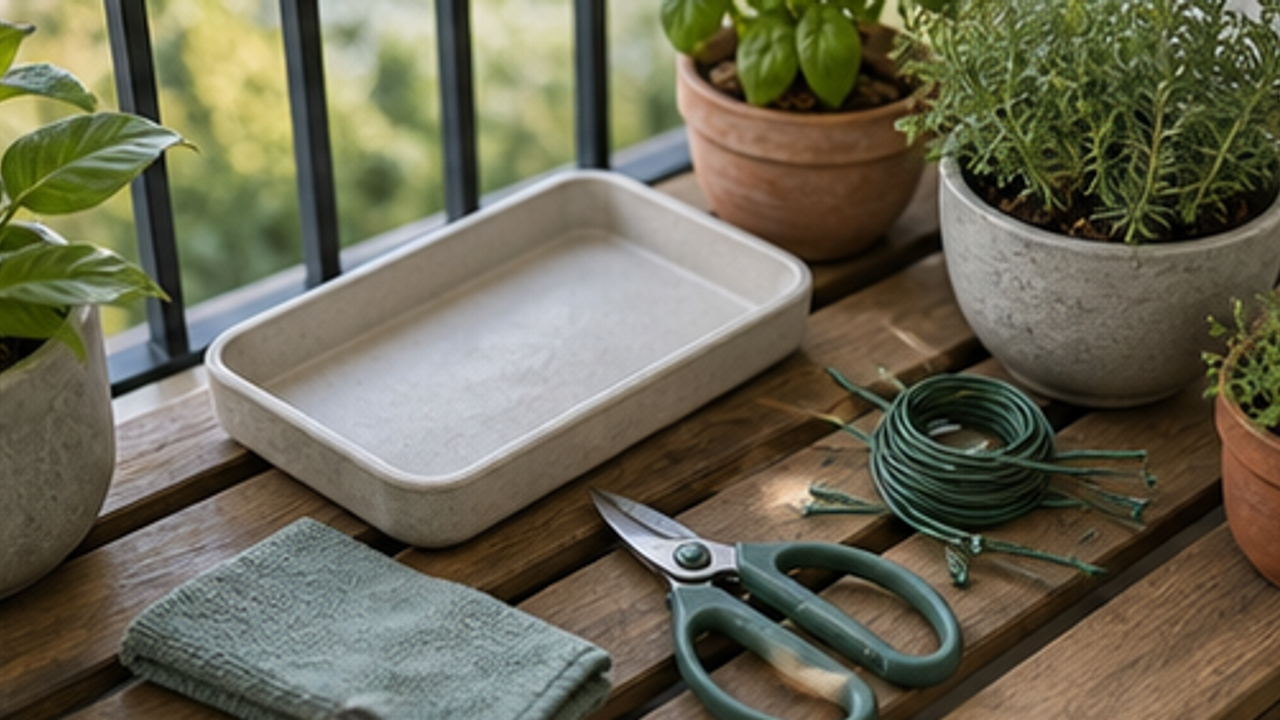
How to Set Up a Balcony Plant Pruning Tool Tray
Give a balcony plant pruning tool tray one small fixed home so it is easy to use, return, and keep from spreading across drawers, shelves, or counters.
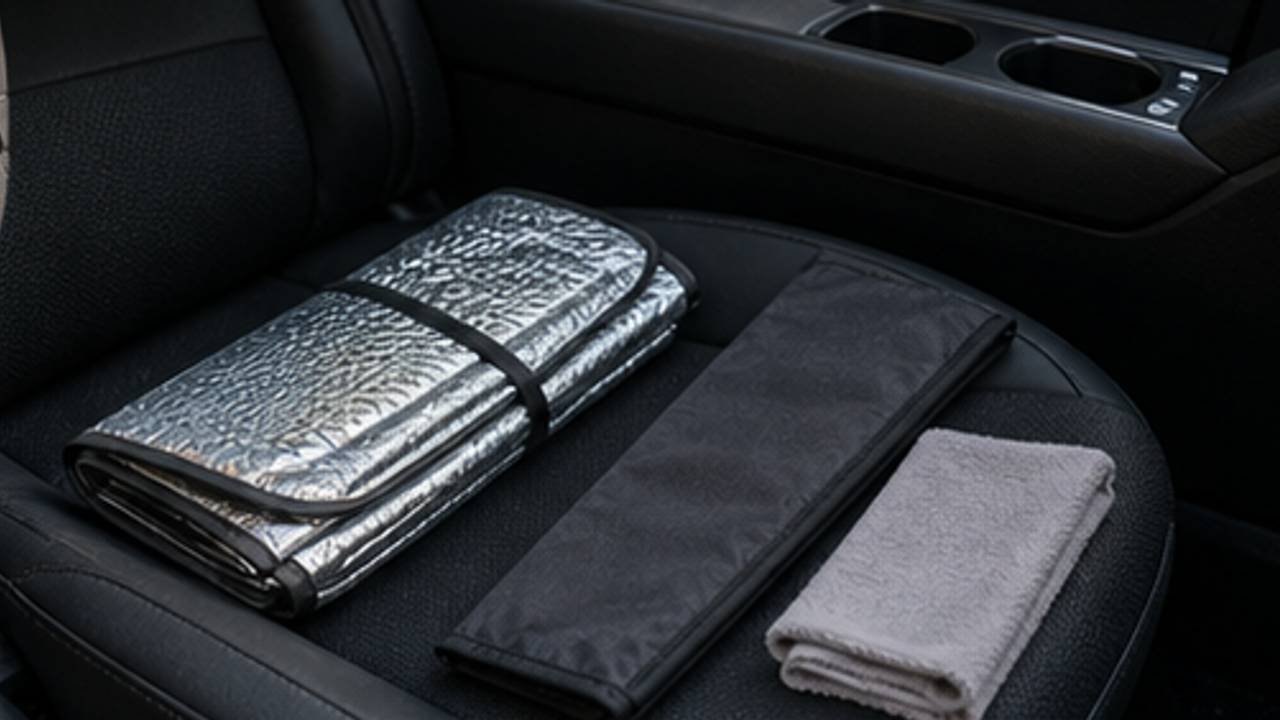
Open
How to Organize a Car Folding Sunshade Sleeve
Give a car folding sunshade sleeve one small fixed home so it is easy to use, return, and keep from spreading across drawers, shelves, or counters.
Life Reactions
How this way feels to you
My Life Trial
Log it after trying
Comments
0 Comments
No comments yet.