

Do a Basic Care Check for an Indoor Houseplant

This weekly-style check helps maintain a potted houseplant. By checking soil, rotating the pot, wiping leaves, trimming yellow growth, and watering only when needed, the plant gets steadier care.
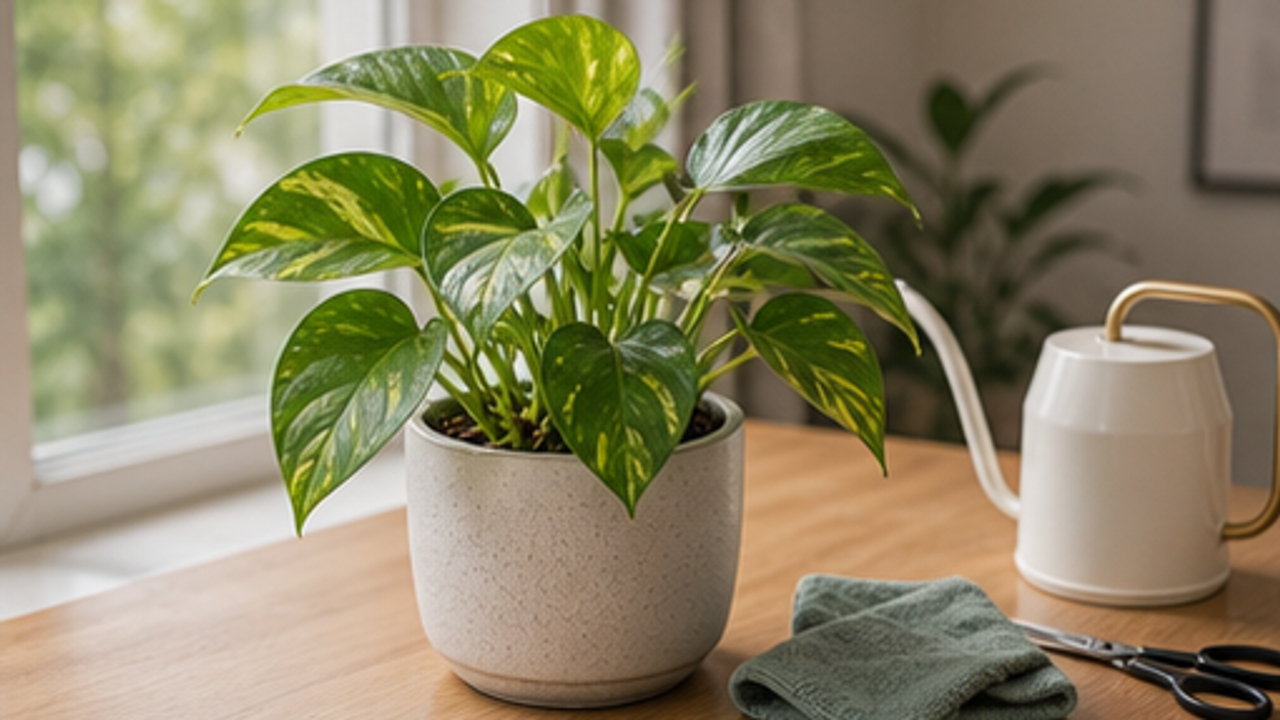
Observe the Whole Plant
Look at leaf color, stem direction, and the soil surface for wilting, yellowing, or standing water.
A quick overview tells you which care steps are actually needed today.
Do not assume drooping leaves always mean the plant needs lots of water.
Check Soil Moisture
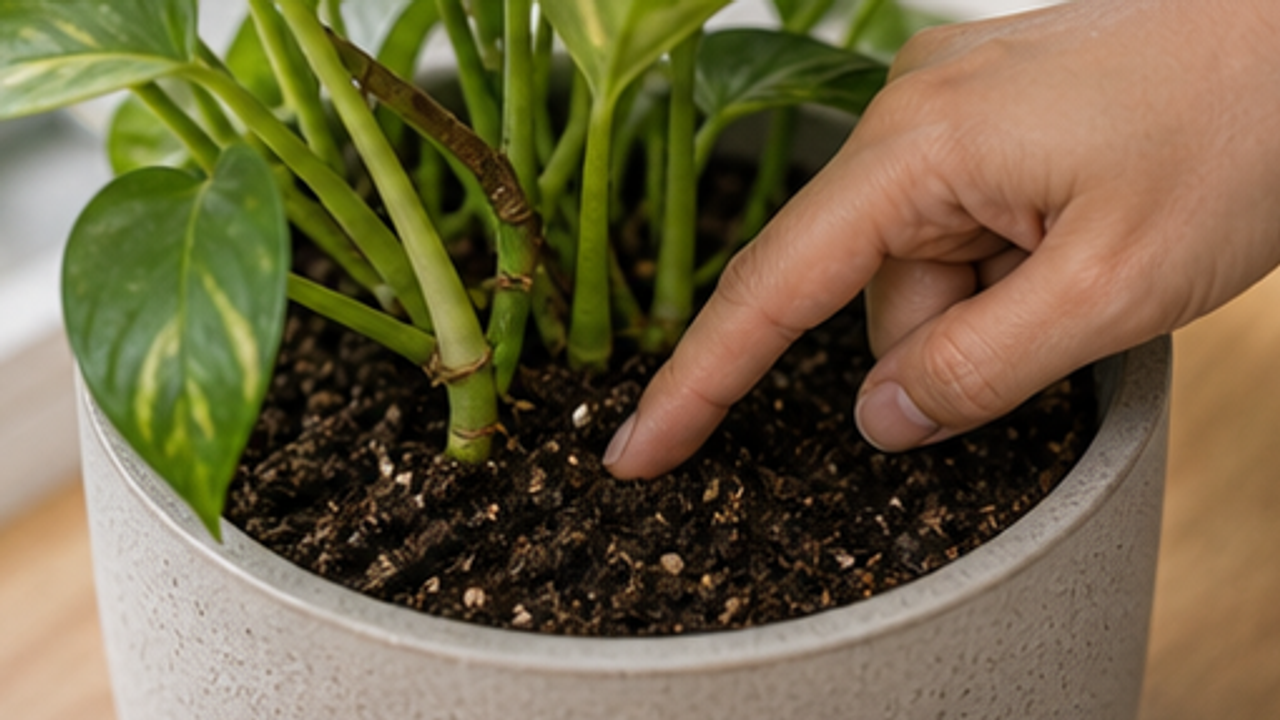
Touch the soil surface or insert a finger about one knuckle deep to feel whether it is dry, slightly moist, or wet.
Soil moisture is more useful than the calendar for deciding when to water.
If the soil is still wet, do not add more water.
Rotate Toward Light
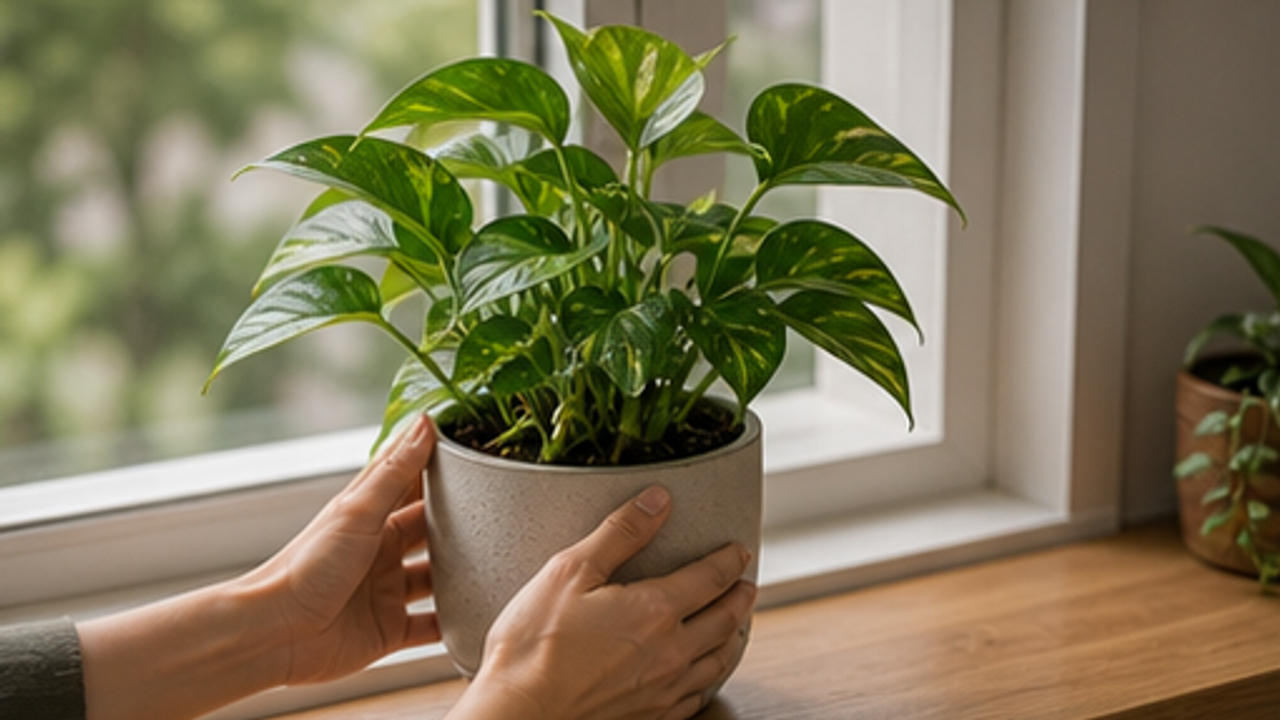
Gently turn the pot so another side receives bright indirect light.
Regular rotation helps reduce one-sided leaning.
Do not suddenly move shade-tolerant plants into harsh direct sun.
Wipe Dust From Leaves
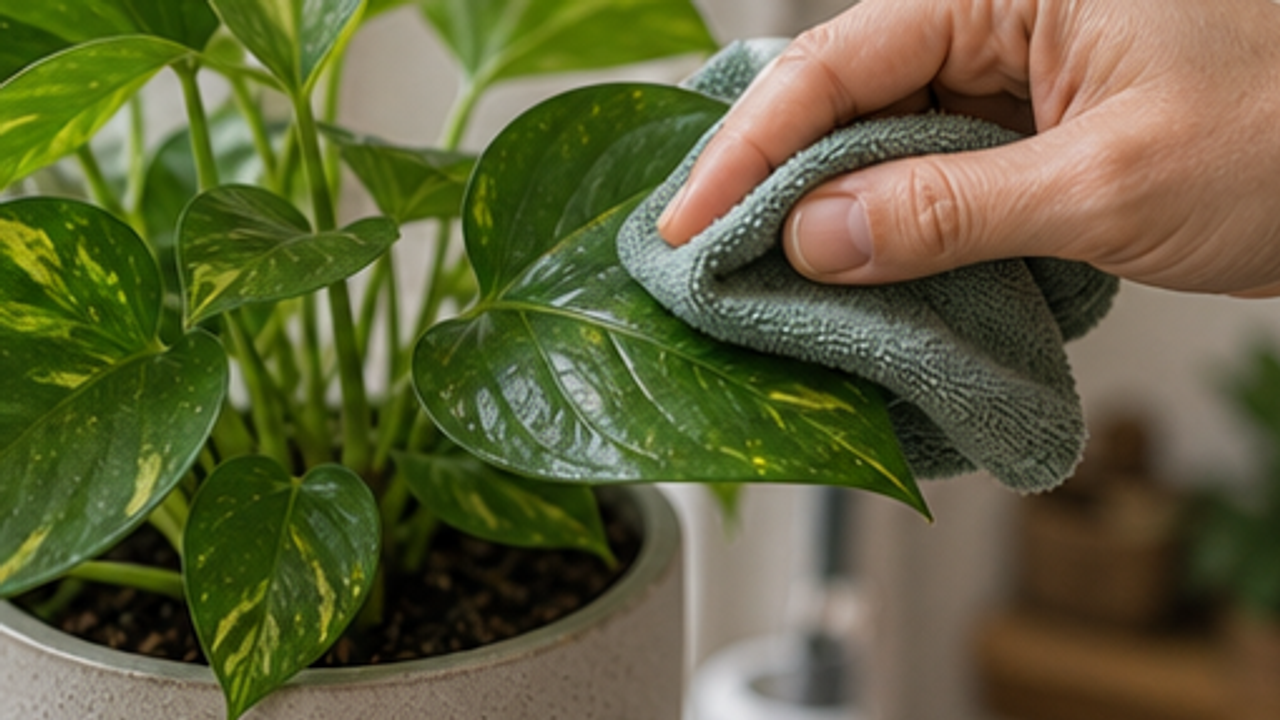
Use a slightly damp soft cloth to wipe broad leaves, supporting each leaf as you clean.
Dust blocks light, and wiping leaves is a good time to check for pests.
Do not scrub fragile or fuzzy leaves with a wet cloth.
Trim Yellow or Dry Leaves
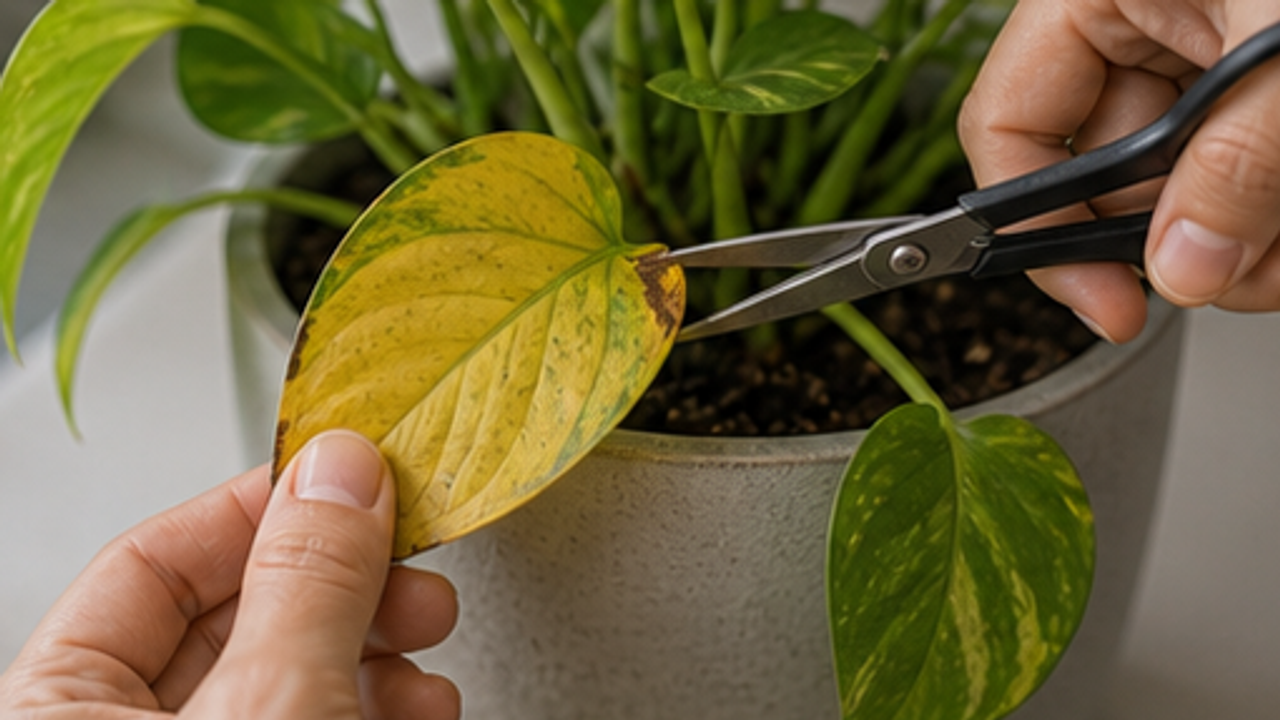
Use clean small scissors to remove leaves that are clearly yellow or dry.
Removing dead growth keeps the plant tidy and reduces rot risk.
Keep scissors clean so you do not spread disease between plants.
Water Slowly if Needed
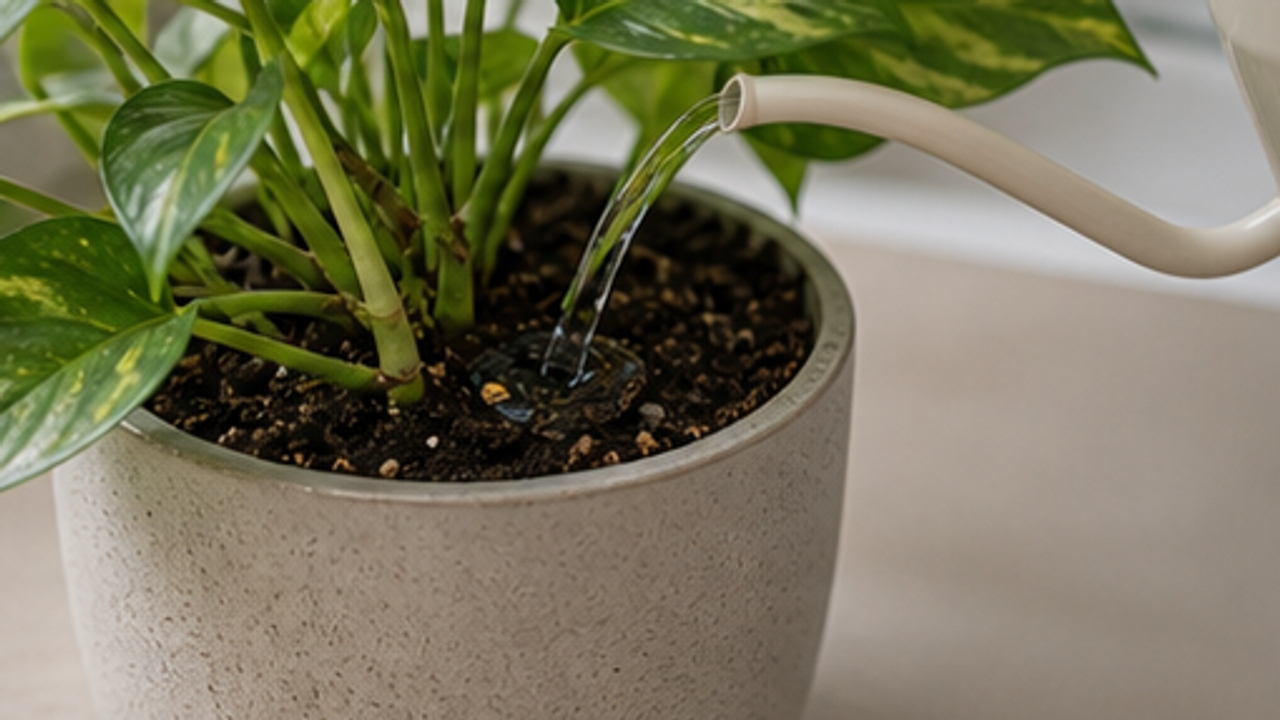
If the soil is on the dry side, water slowly at soil level until it is evenly moist.
Slow watering lets water enter the soil instead of running down the sides.
Do not keep water sitting in the leaf crown or flood the pot.
Empty the Saucer
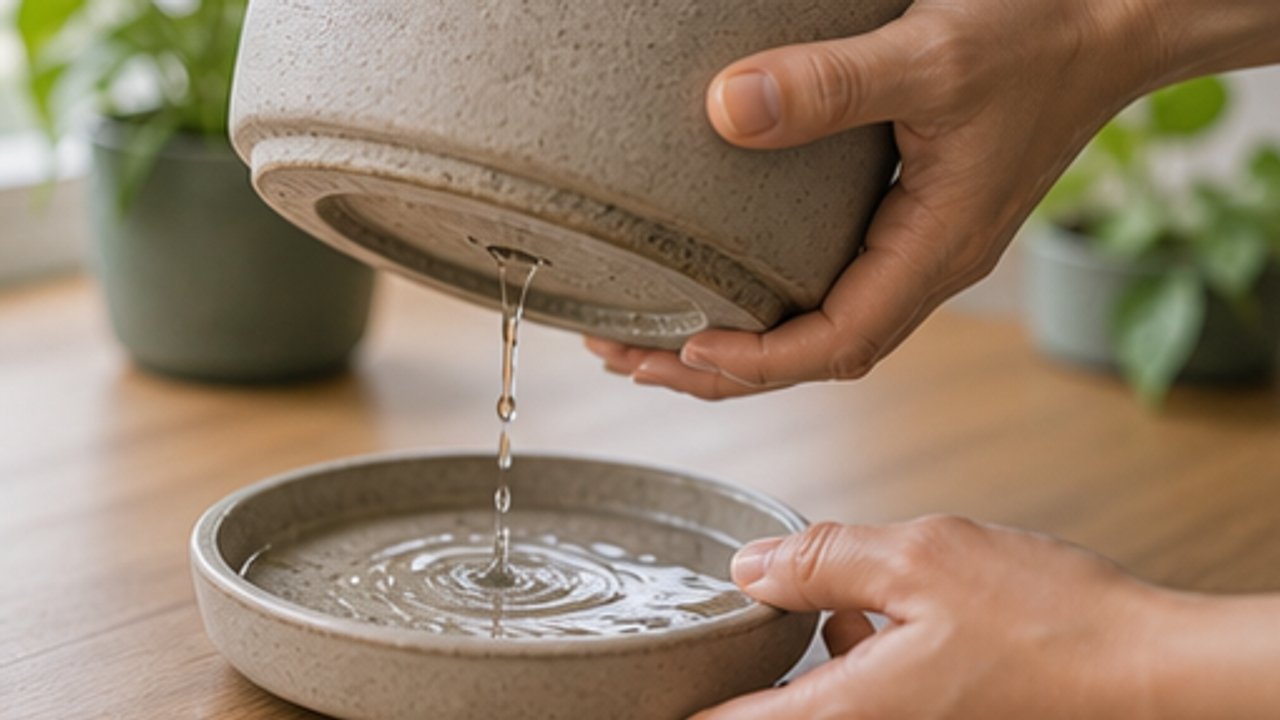
After excess water drains out, empty the saucer.
Roots sitting in water too long can lose oxygen and rot.
Do not leave the pot standing in a full saucer.
Check Undersides and Return
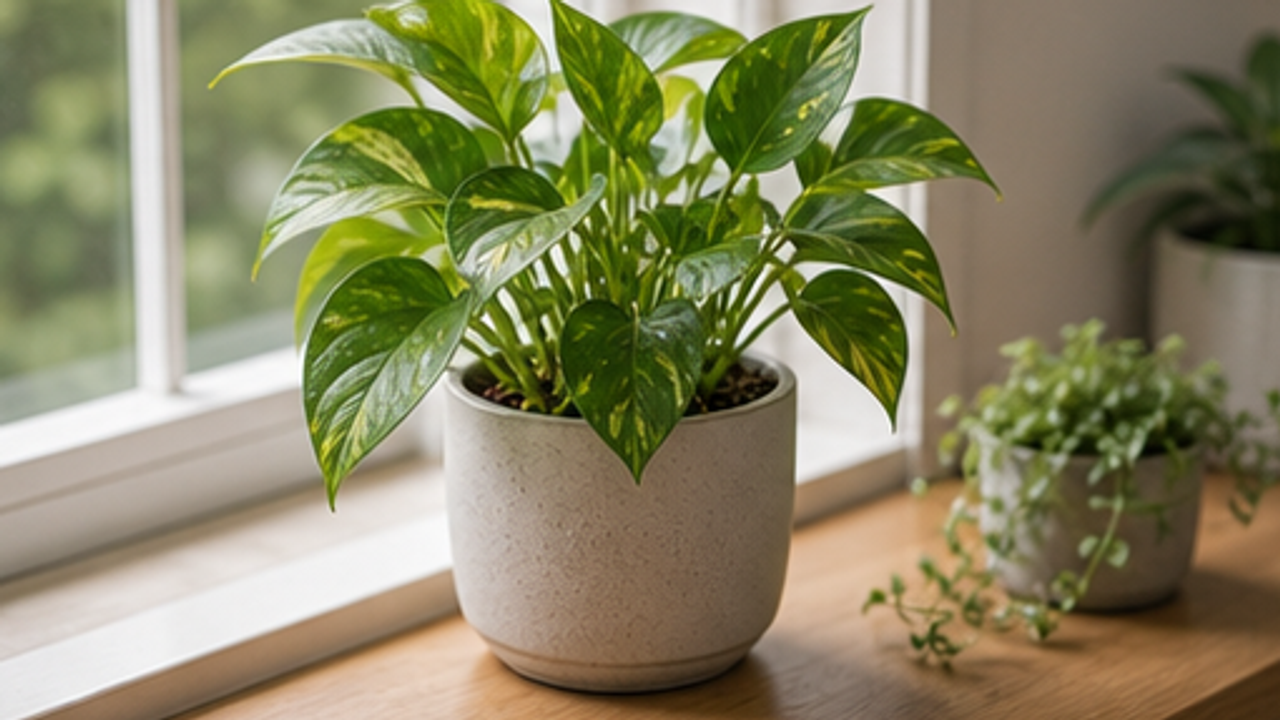
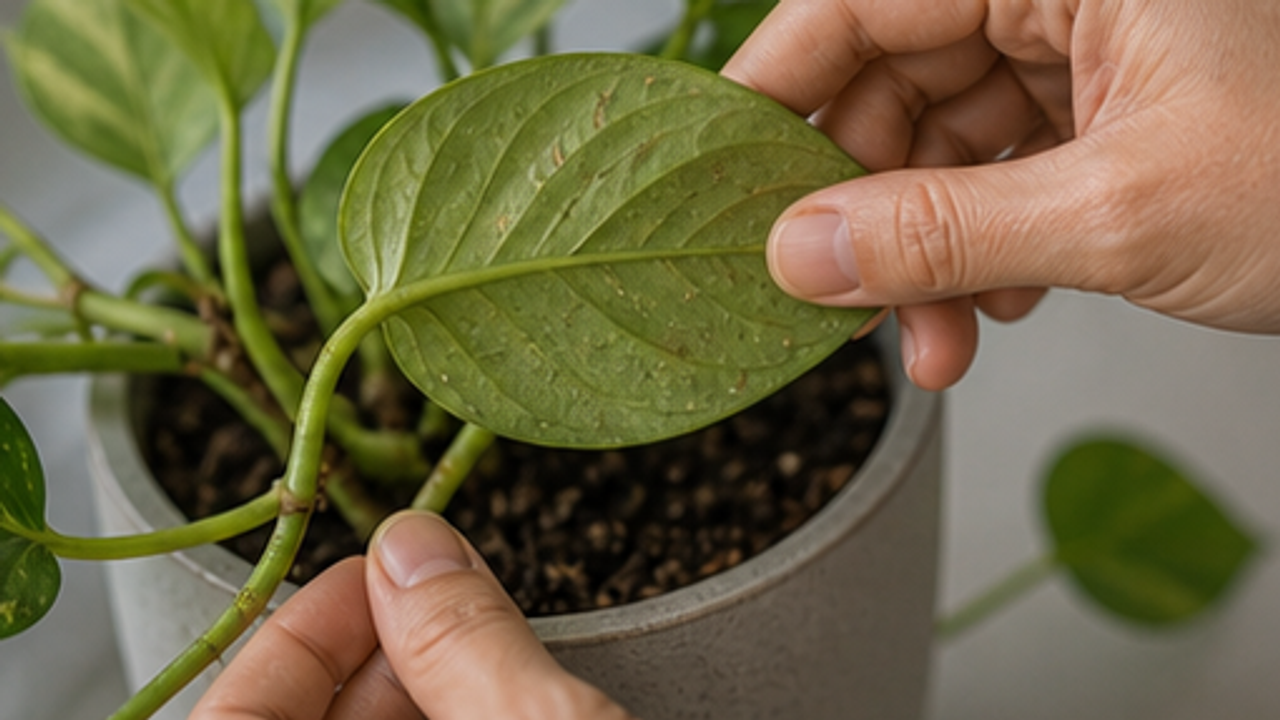
Look under leaves and around stems, then return the plant to bright indirect light.
Leaf undersides often reveal pests early, and a good spot reduces stress.
If you see heavy pests or disease spots, isolate the plant before treating it.
Same topic
Related guides
Related guides
Cleaning
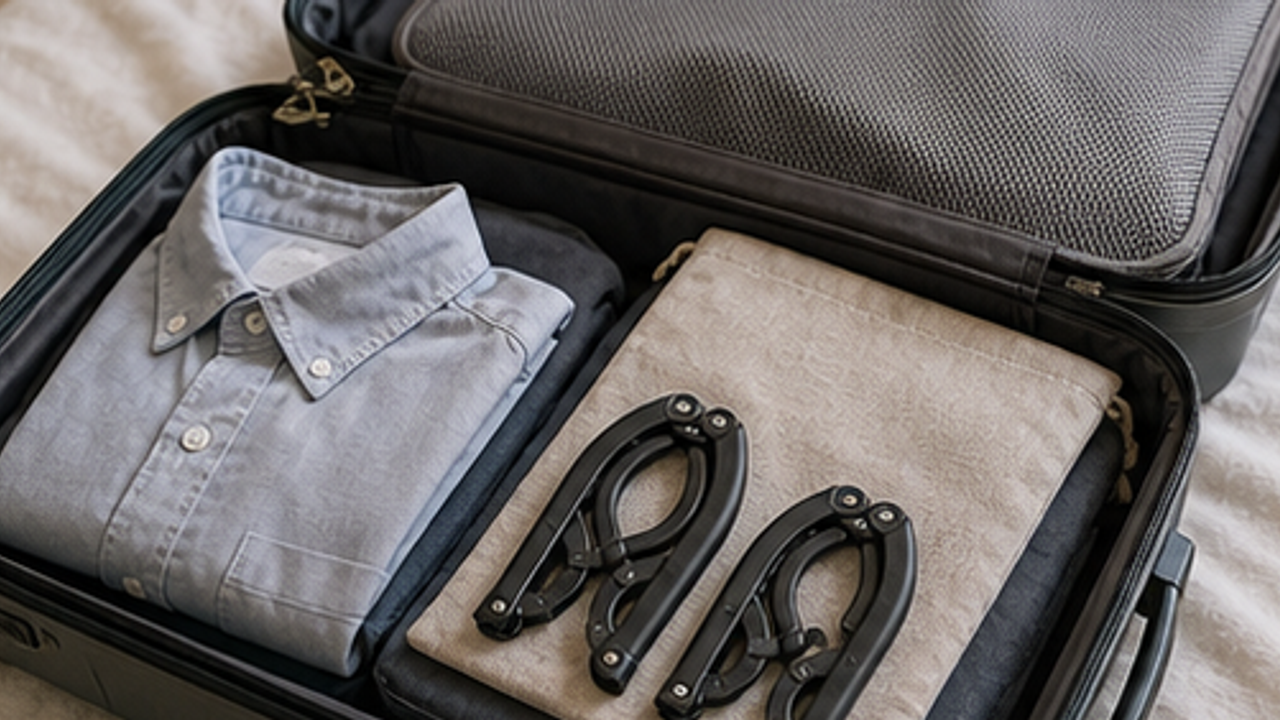
How to Prepare a Travel Folding Hanger Pouch
Give a travel folding hanger pouch one small fixed home so it is easy to use, return, and keep from spreading across drawers, shelves, or counters.
Cleaning
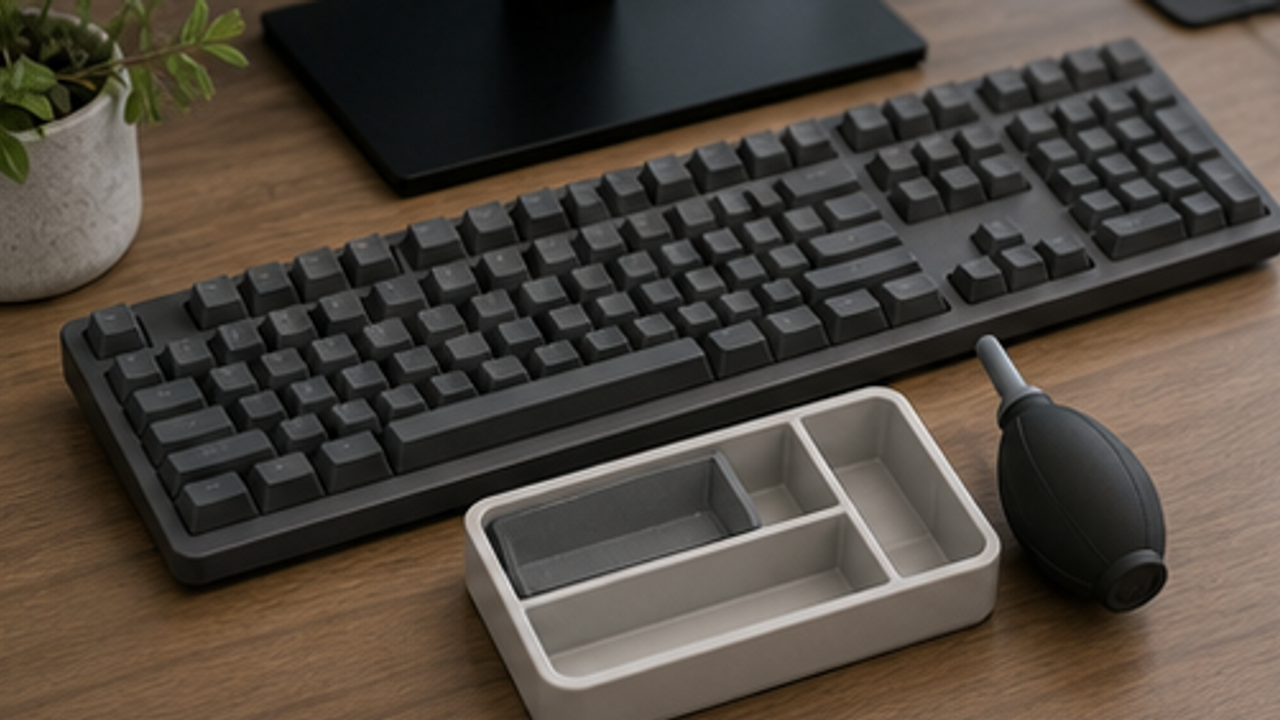
How to Set Up a Desk Keyboard Cleaning Brush Tray
Give a desk keyboard cleaning brush tray one small fixed home so it is easy to use, return, and keep from spreading across drawers, shelves, or counters.
Cleaning
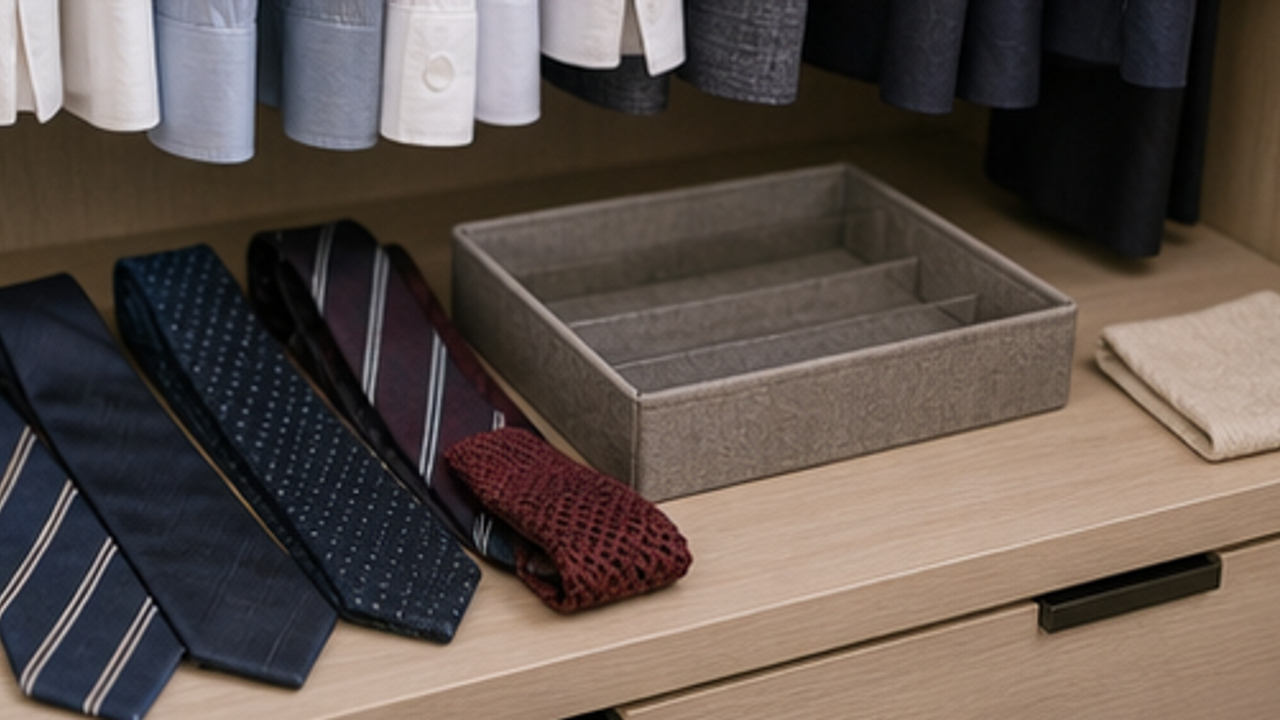
How to Organize Closet Ties in a Roll Tray
Give closet ties in a roll tray one small fixed home so it is easy to use, return, and keep from spreading across drawers, shelves, or counters.
Cleaning
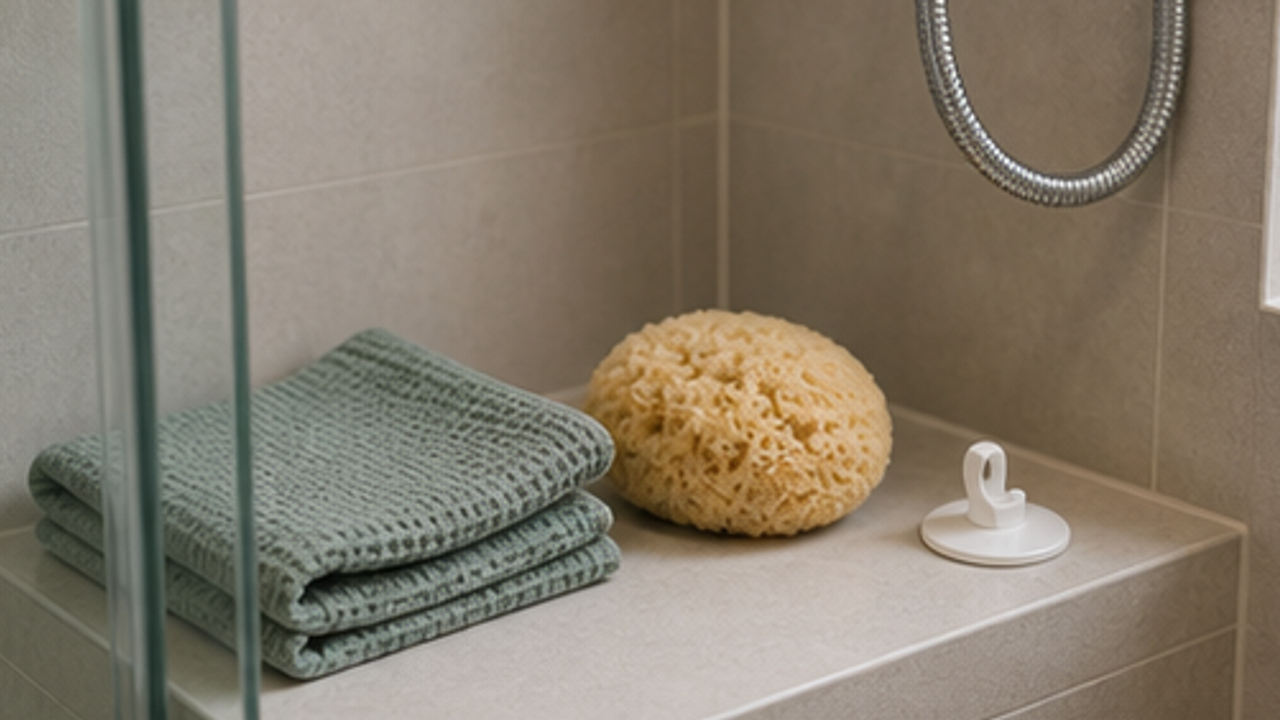
How to Set Up a Bathroom Bath Sponge Drying Hook
Give a bathroom bath sponge drying hook one small fixed home so it is easy to use, return, and keep from spreading across drawers, shelves, or counters.
More from this author
Open
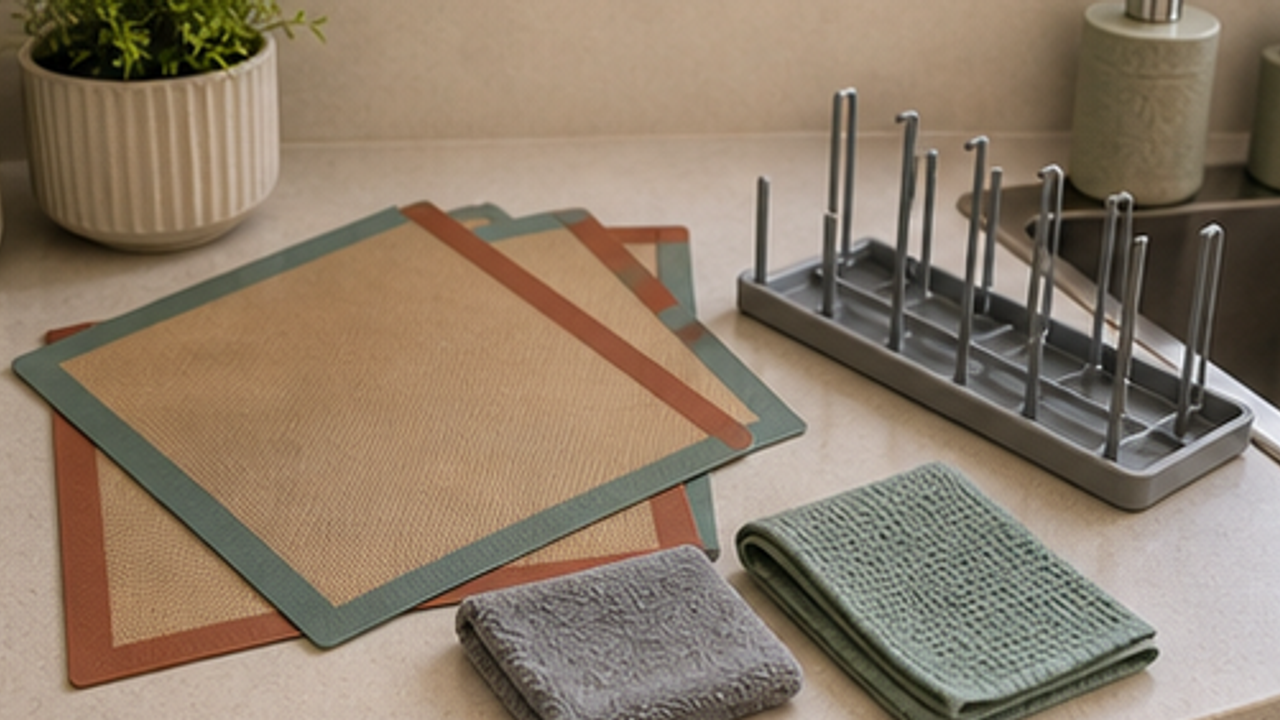
How to Set Up a Kitchen Silicone Baking Mat Drying Rack
Give a kitchen silicone baking mat drying rack one small fixed home so it is easy to use, return, and keep from spreading across drawers, shelves, or counters.
Open
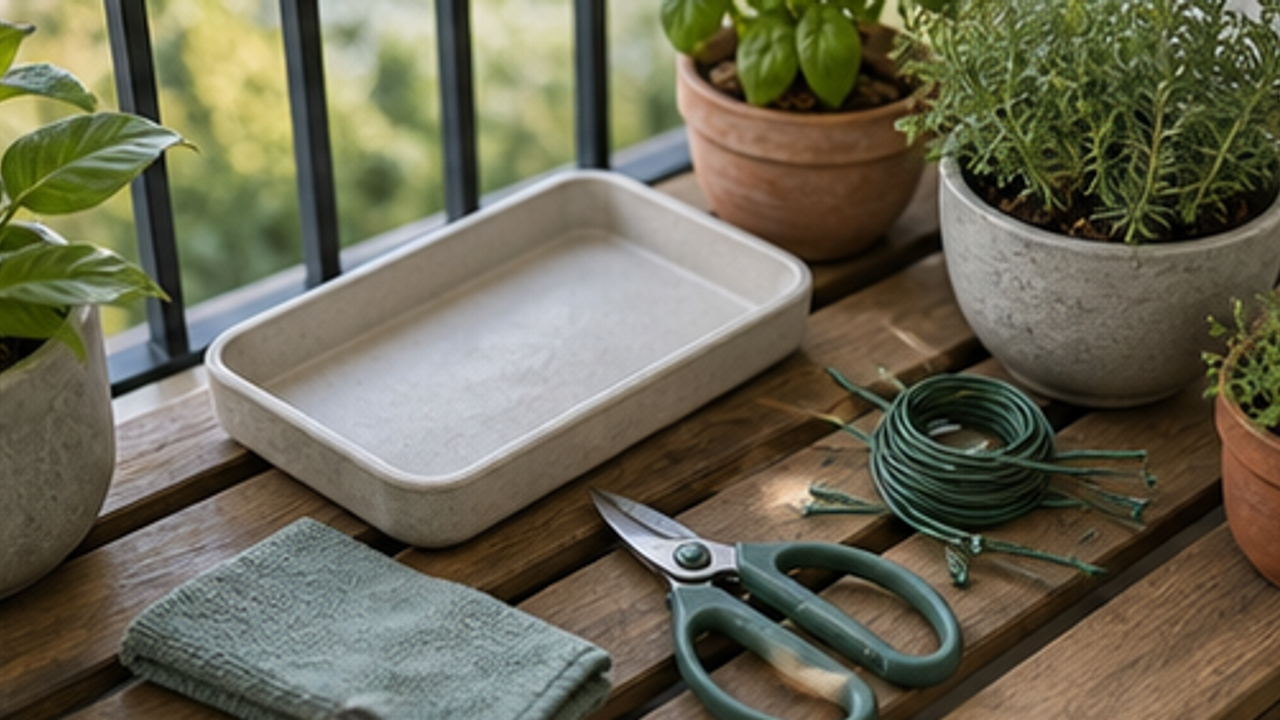
How to Set Up a Balcony Plant Pruning Tool Tray
Give a balcony plant pruning tool tray one small fixed home so it is easy to use, return, and keep from spreading across drawers, shelves, or counters.
Open
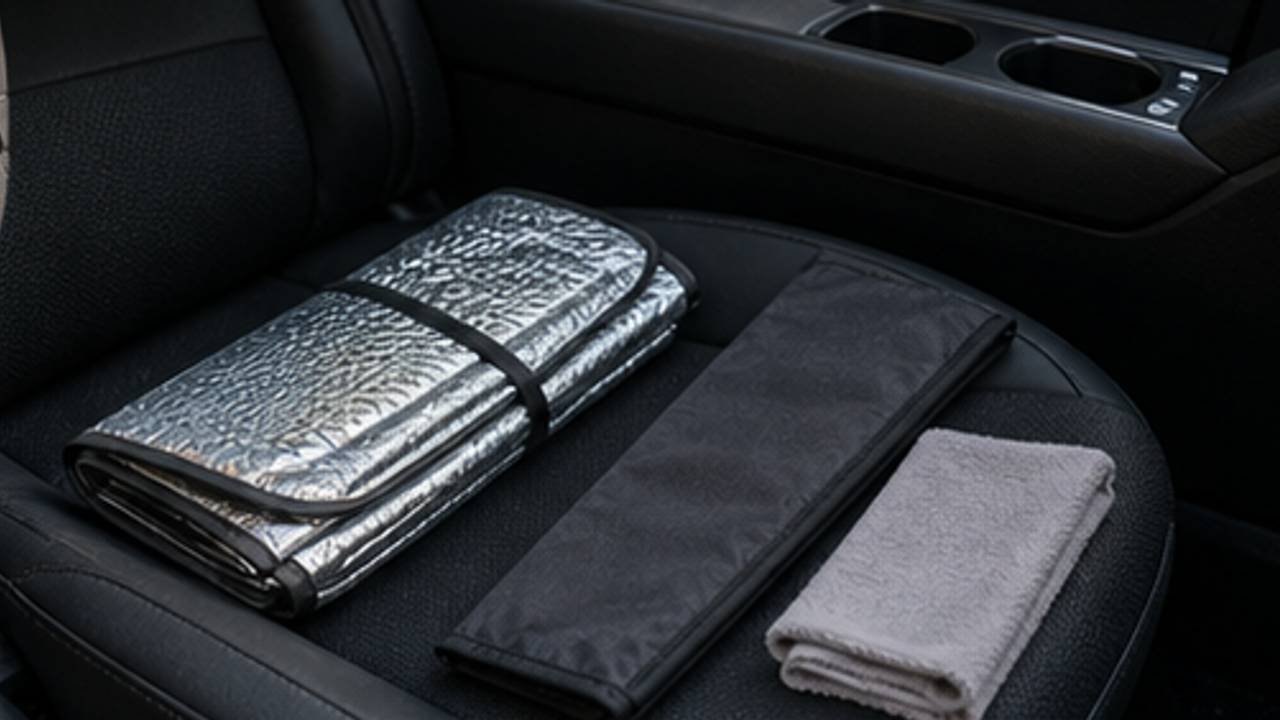
How to Organize a Car Folding Sunshade Sleeve
Give a car folding sunshade sleeve one small fixed home so it is easy to use, return, and keep from spreading across drawers, shelves, or counters.
Life Reactions
How this way feels to you
My Life Trial
Log it after trying
Comments
0 Comments
No comments yet.